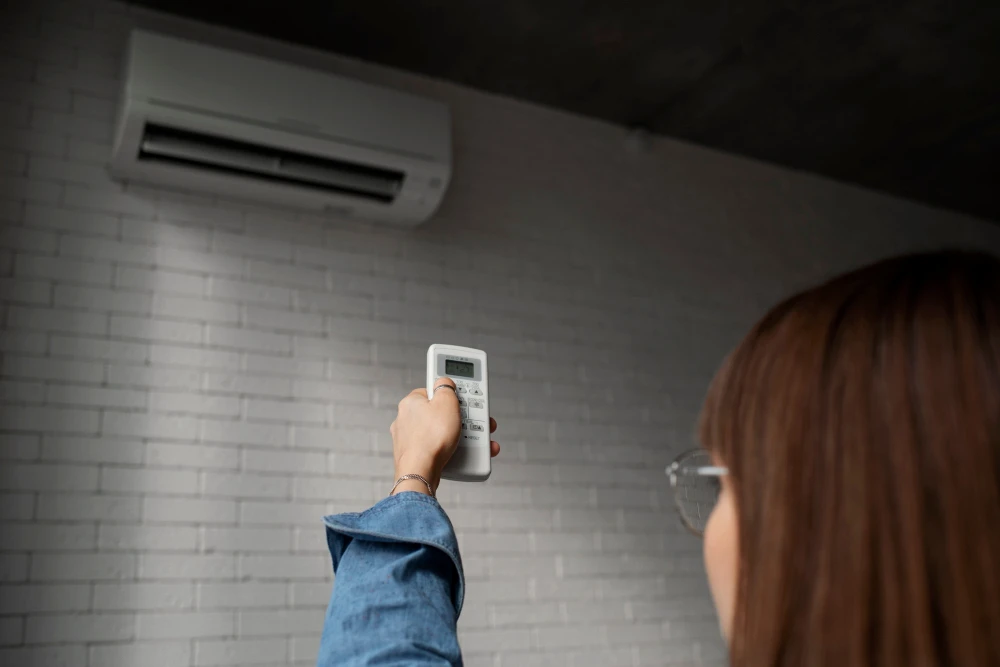
Indoor air quality (IAQ) plays a crucial role in maintaining our overall health and well-being, especially as we spend the majority of our time indoors, whether at home or in the office. With growing concerns about air pollution, allergens, and airborne illnesses, ensuring clean air indoors is more important than ever. One of the most effective solutions for improving indoor air quality is the use of HVAC (Heating, Ventilation, and Air Conditioning) air filtration systems.
These systems not only regulate temperature but also help filter out contaminants from the air, making them indispensable in modern residential and commercial spaces. Let’s dive deep into how HVAC air filtration systems improve indoor air quality and why they are a smart investment for both homes and offices.
What is an HVAC Air Filtration System?
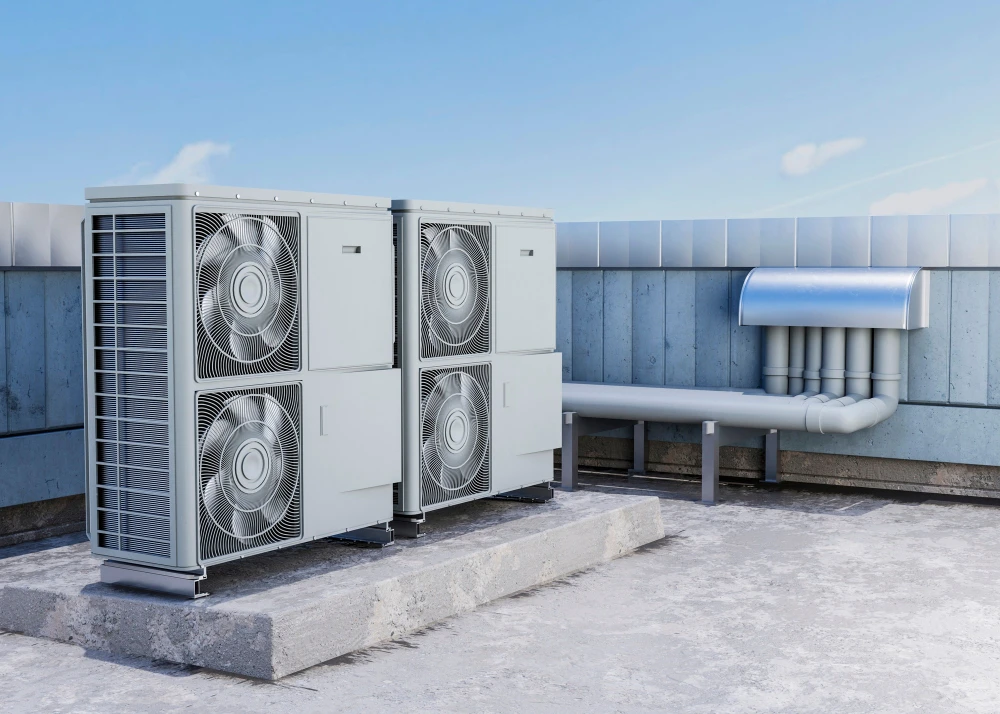
An HVAC air filtration system is an integrated component of your heating and cooling system that removes particles and pollutants from the air circulating through your indoor environment. It typically consists of filters that trap dust, pollen, mold spores, pet dander, smoke, and even bacteria and viruses, depending on the filtration level.
There are several types of HVAC filters, ranging from basic fiberglass filters to high-efficiency particulate air (HEPA) filters and advanced electronic air cleaners. The effectiveness of a filter is usually measured by its Minimum Efficiency Reporting Value (MERV) rating, which ranges from 1 to 20.
1. Reduces Allergens and Asthma Triggers
Many people suffer from allergies and asthma triggered by indoor pollutants like dust mites, pet dander, mold, and pollen. HVAC filtration systems help trap these airborne allergens before they circulate throughout your home or office.
UV filters can eliminate bacteria, mold, and viruses that trigger respiratory issues.
By reducing the presence of these irritants in the air, HVAC systems contribute significantly to a healthier indoor environment, especially for those with sensitive respiratory systems.
2. Eliminates Harmful Airborne Contaminants
Offices and homes may contain pollutants from various sources, such as:
1. Cleaning agents
2. Tobacco smoke
3. Paint and varnish fumes
4. Cooking odors
5. Building materials (like asbestos or formaldehyde in older structures)
HVAC air filters can capture and neutralize many of these contaminants, particularly volatile organic compounds (VOCs) that are hazardous to health. Advanced filtration systems, such as activated carbon filters, are effective at absorbing gases and odors that basic filters can’t handle.
3. Controls Indoor Humidity and Mold Growth
Humidity plays a critical role in air quality. High indoor humidity can lead to mold and mildew, which not only smell unpleasant but also pose significant health risks. HVAC systems, especially those with dehumidifying capabilities, help maintain optimal indoor humidity levels, preventing the growth of mold spores.
Moreover, by filtering airborne mold spores before they settle on surfaces, the system helps keep your environment cleaner and safer.
4. Removes Dust and Improves Cleanliness
Dust is inevitable in any indoor setting. It settles on furniture, electronics, and other surfaces, making spaces look untidy and potentially damaging sensitive equipment. HVAC air filters capture dust particles as they pass through the ventilation system, preventing them from accumulating in your living or working areas.
This not only improves the aesthetics and cleanliness of the space but also reduces the workload of cleaning and dusting, saving time and effort.
5. Improves HVAC System Efficiency and Longevity
When filters are doing their job well and capturing pollutants effectively, the HVAC components like fans and coils remain cleaner and operate more efficiently. Dirty filters and components force the system to work harder, consuming more energy and increasing wear and tear.
1. Regular maintenance and high-quality air filtration help extend the life of the HVAC system.
2. They also reduce the chances of costly repairs due to clogs or overworked parts.
3. Thus, investing in a good air filtration system pays off in energy savings and prolonged equipment life.
6. Enhances Mental and Physical Well-being
There’s a strong connection between indoor air quality and human performance. Poor air quality can lead to:
1. Fatigue
2. Headaches
3. Eye, nose, and throat irritation
4. Decreased concentration
5. Increased absenteeism in offices
By delivering clean, oxygen-rich air, HVAC air filtration systems create an environment that supports better cognitive function, improved mood, and overall well-being, boosting productivity in offices and comfort at home.
7. Fights the Spread of Airborne Illnesses
Especially in crowded office environments or homes with multiple residents, airborne diseases like flu, cold, or even COVID-19 can spread quickly. HVAC systems equipped with UV-C lights, electrostatic filters, or high MERV-rated filters can reduce the transmission of viruses and bacteria in the air.
These systems are particularly valuable in shared spaces and high-risk environments, helping create safer surroundings for everyone.
8. Customizable for Specific Needs
Modern HVAC filtration systems are highly customizable based on the unique needs of the space:
1. Homes with pets can benefit from filters designed to trap pet dander and odors.
2. Commercial kitchens may require grease and smoke filtration.
3. Offices with sensitive equipment may need cleanroom-level filtration for optimal performance.
Whether it's for a small apartment or a large corporate office, filtration solutions can be tailored to provide maximum indoor air quality based on the building’s layout, occupancy, and function.
Tips to Maximize HVAC Filtration Efficiency
To ensure your HVAC system delivers the best air quality, keep the following tips in mind:
Regular Filter Replacement: Replace filters every 1 to 3 months, or as recommended by the manufacturer.
Professional Maintenance: Have your HVAC system inspected and cleaned by professionals at least once a year.
Seal Leaks and Ducts: Ensure there are no leaks in the ductwork that could allow unfiltered air to circulate.
Invest in a Smart Thermostat: Smart systems can monitor air quality and adjust filtration accordingly.
Combine with Air Purifiers: In areas with extremely poor air quality, consider using standalone air purifiers alongside your HVAC system.
Conclusion
Indoor air quality has a profound impact on our daily lives, influencing everything from health and comfort to productivity and energy efficiency. HVAC air filtration systems play a pivotal role in maintaining a clean and healthy indoor environment, whether at home or in the office.
By filtering out dust, allergens, pollutants, and pathogens, these systems ensure that the air you breathe is not just temperature-controlled but also purified and safe. With the right filtration system and regular maintenance, you can breathe easier and live better every single day.
So, whether you're upgrading your current HVAC setup or building a new space, don't overlook the power of advanced air filtration. It’s not just about comfort—it’s about health, safety, and quality of life.