Menstrual and hormonal disorders are more common than most people realize, yet many women struggle to find the right care or even recognize when something might be wrong. Whether it’s irregular periods, heavy bleeding, severe cramps, or symptoms related to hormonal imbalances, the impact of these conditions can be significant - physically, emotionally, and mentally. Fortunately, gynecological services can play a crucial role in diagnosing, treating, and managing these issues, offering women relief and a better quality of life.
Understanding Menstrual and Hormonal Disorders
Before we dive into how gynecological services help manage these conditions, it’s important to understand what menstrual and hormonal disorders are.
Menstrual Disorders: These can include a range of issues like irregular periods, heavy or prolonged periods (menorrhagia), painful periods (dysmenorrhea), or the absence of periods (amenorrhea). These problems may stem from underlying conditions such as polycystic ovary syndrome (PCOS), fibroids, endometriosis, or thyroid imbalances.
Hormonal Disorders: Hormonal imbalances can manifest in various ways, affecting a woman’s menstrual cycle, fertility, skin health, weight, and mood. Conditions like PCOS, hypothyroidism, and perimenopause are common culprits of hormonal imbalances, which can cause weight gain, acne, excessive hair growth, fatigue, and mood swings.
Gynecological services focus on addressing these disorders and providing appropriate treatments to help women regain control over their health.
How Gynecological Services Can Help?
- Comprehensive Diagnosis
The first step in managing menstrual and hormonal disorders is proper diagnosis. A gynecologist will take a detailed medical history, conduct a physical exam, and may recommend diagnostic tests such as blood work, ultrasounds, or pelvic exams. These tests help identify conditions like PCOS, fibroids, thyroid disorders, or endometriosis—conditions that are often at the root of menstrual and hormonal issues.
Key Diagnostic Tools Include:
- Blood Tests: To measure hormone levels (like estrogen, progesterone, thyroid hormones, and androgens).
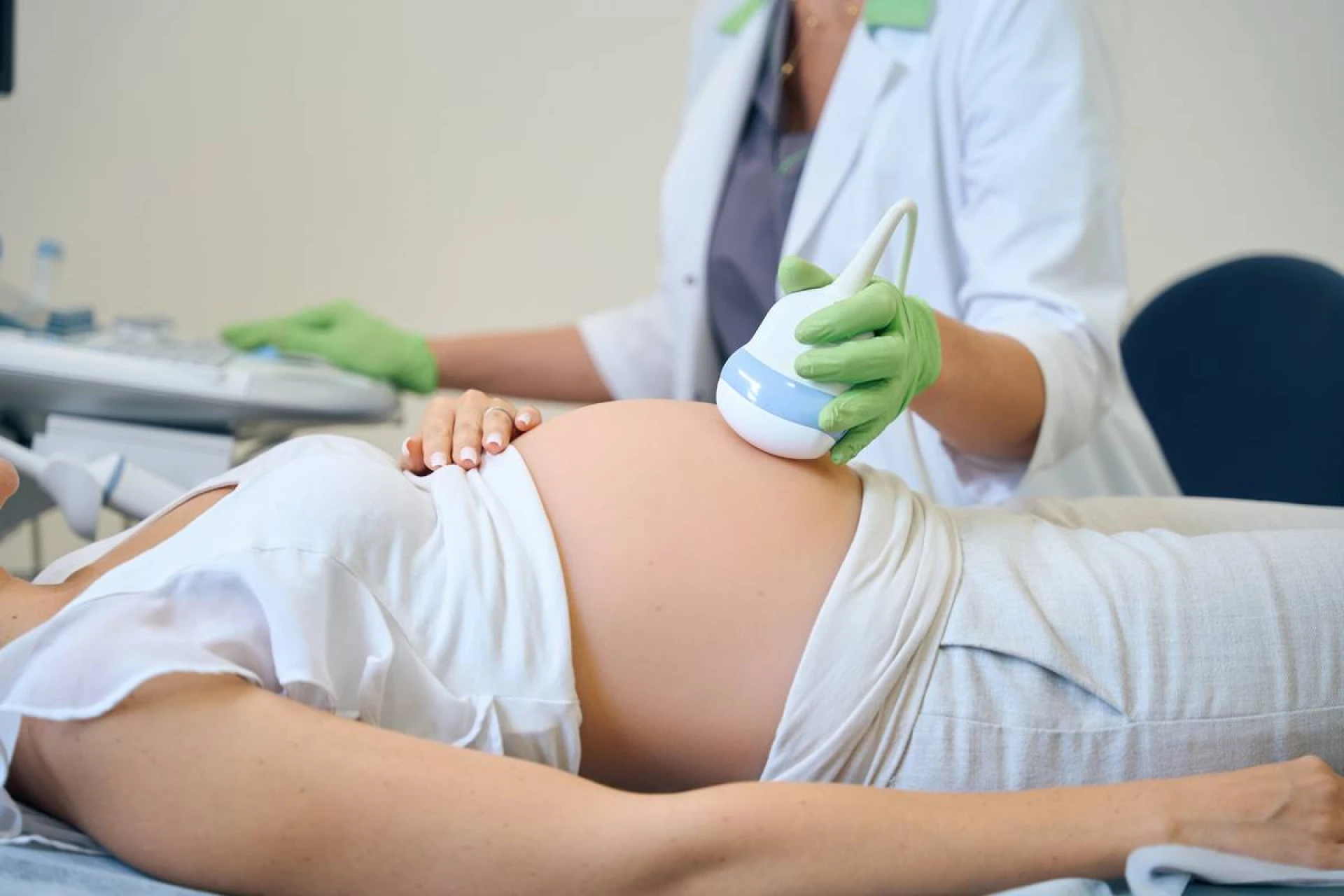
- Ultrasounds: To detect ovarian cysts, fibroids, or other abnormalities in the reproductive organs.
- Laparoscopy: For more invasive diagnostics, especially in the case of endometriosis.
- Personalized Treatment Plans
After a diagnosis, a gynecologist will work with the patient to create a treatment plan tailored to their specific condition and needs. This plan may involve one or a combination of the following:
- Hormonal Therapy: If hormonal imbalances are found, treatments like birth control pills, hormone replacement therapy (HRT), or medications like spironolactone may be prescribed. These can regulate periods, reduce symptoms like excessive hair growth, and balance hormones.
- Medications for Pain Relief: Nonsteroidal anti-inflammatory drugs (NSAIDs) such as ibuprofen can help relieve menstrual cramps, while other medications may target conditions like endometriosis to manage pain.
- Fertility Treatments: For women dealing with infertility caused by hormonal disorders like PCOS, gynecologists can recommend ovulation-inducing drugs, assisted reproductive technologies like IVF, or lifestyle changes to improve fertility.
- Surgical Options: In more severe cases, surgery may be necessary. For example, women with fibroids may undergo a myomectomy (removal of fibroids), or women with endometriosis may undergo laparoscopic surgery to remove tissue causing pain.
- Lifestyle and Dietary Recommendations
Many gynecologists emphasize the importance of a healthy lifestyle in managing hormonal and menstrual disorders. A balanced diet rich in vitamins, minerals, and healthy fats can support hormonal balance and reduce symptoms. Weight management is also critical, particularly for women with PCOS, where excess weight can worsen insulin resistance and contribute to hormonal imbalances.
Additionally, regular physical activity, stress reduction techniques like yoga or meditation, and adequate sleep can all help stabilize hormones and manage menstrual irregularities.
- Ongoing Monitoring and Support
Managing menstrual and hormonal disorders is often an ongoing process, and gynecological services include regular follow-up visits to monitor a woman’s progress. As hormone levels fluctuate throughout life—especially during puberty, pregnancy, and menopause—it’s important to have a healthcare provider who can adjust treatments as needed.
For example:
- Women experiencing perimenopause or menopause may need ongoing care to manage symptoms like hot flashes, mood swings, and irregular periods.
- Women with long-term conditions like PCOS or endometriosis may require adjustments to their treatment plan over time.
- Emotional and Mental Health Support
It’s not just the physical symptoms that can be overwhelming—menstrual and hormonal disorders can also take a toll on a woman's mental and emotional health. Conditions like PCOS, endometriosis, and irregular periods can be accompanied by mood swings, anxiety, or depression.
A gynecologist may refer women to mental health professionals, offer advice on coping strategies, or even suggest support groups where women can connect with others facing similar challenges.
Some gynecologists may also recommend therapy or counseling to help manage the emotional impact of dealing with chronic health conditions.
- Education and Empowerment
One of the most important roles of gynecological services is empowering women with knowledge. A well-informed patient is better equipped to make decisions about their health. By educating women on the various causes of menstrual and hormonal disorders, possible treatments, and lifestyle changes, gynecologists help them take control of their health and well-being.
Some key educational areas include:
- Understanding the role of different hormones in the menstrual cycle.
- Identifying warning signs of hormonal imbalances.
- Managing stress and emotional health alongside physical health.
Conclusion
Gynecological services are essential in managing menstrual and hormonal disorders, providing women with the care and support they need to lead healthy, balanced lives. Whether through medical interventions, lifestyle adjustments, or emotional support, gynecologists offer comprehensive care that can significantly improve symptoms and quality of life.
If you’re experiencing symptoms like irregular periods, heavy bleeding, or unexplained hormonal changes, don't hesitate to reach out to a gynecologist. Early diagnosis and intervention can make all the difference in managing these conditions effectively and reclaiming your well-being.