Introduction
Employee safety awareness is essential for maintaining a healthy and productive working environment. In industries such as construction, manufacturing, logistics, and healthcare, workers may encounter hazards that require careful attention and appropriate responses. Without proper knowledge, employees may overlook warning signs or follow unsafe practices without realizing the potential consequences. Effective training helps workers understand workplace risks, recognize dangerous situations, and make informed decisions that protect themselves and their colleagues.
Helping Employees Identify Workplace Hazards
Recognizing potential hazards is one of the most important aspects of workplace safety awareness. Employees need to understand how everyday activities can create risks, including operating machinery, handling chemicals, lifting heavy materials, and moving through busy work areas.
Training introduces employees to common workplace hazards and explains how to identify unsafe conditions before an incident occurs. Practical demonstrations and real-world examples help workers connect safety principles with their daily responsibilities.
When employees understand what to look for, they can report problems promptly and take appropriate precautions. This proactive approach helps organizations address potential risks before they lead to injuries or operational disruptions.
Encouraging Safe Working Practices
Safety awareness becomes meaningful when employees apply what they learn during their daily tasks. Effective training explains the importance of following established procedures, using personal protective equipment correctly, and handling tools and machinery responsibly.
For example, warehouse employees may learn safe lifting techniques, while construction workers may receive guidance on fall prevention and equipment inspections. These practical lessons help workers understand how individual actions influence their safety and the well-being of others.
Regular reminders and refresher sessions can reinforce these habits. Over time, employees become more familiar with safe working procedures and are better prepared to follow them consistently.
Improving Emergency Preparedness
Workplace emergencies can occur unexpectedly, making preparation an important part of employee education. Workers should understand how to respond to situations such as fires, medical emergencies, chemical spills, and equipment failures.
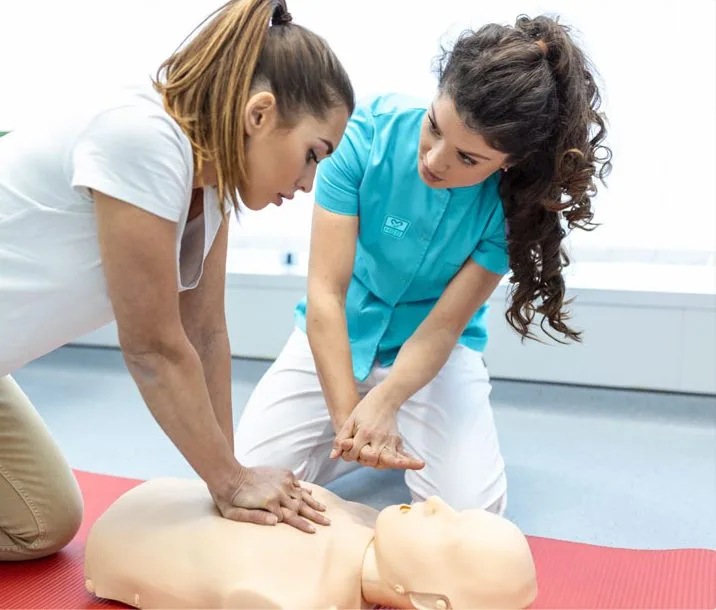
Training can introduce emergency procedures, evacuation routes, alarm systems, and appropriate reporting methods. Practical exercises and drills allow employees to practise their responses in a controlled environment.
These activities help reduce confusion and improve coordination during unexpected situations. Employees who understand their responsibilities are more likely to respond calmly and follow the correct procedures when immediate action is necessary.
Strengthening Communication and Reporting
Open communication supports a safer workplace by allowing employees to share concerns and report potential hazards. However, workers may hesitate to speak up if they do not understand reporting procedures or believe their concerns will be ignored.
Effective training explains how to communicate safety issues clearly, document incidents, and notify the appropriate personnel. It also encourages employees to discuss unsafe conditions with supervisors before problems become more serious.
Organizations can reinforce this approach by creating an environment where workers feel comfortable asking questions and suggesting improvements. Better communication helps management identify recurring risks and take corrective action more efficiently.
The Importance of Professional Safety Education
Structured learning helps organizations provide consistent safety information across departments and job roles. Training should reflect the risks employees are likely to encounter rather than relying entirely on general presentations.
Businesses exploring Health and safety courses Dubai can evaluate programs according to their industry, employee responsibilities, and learning objectives. Selecting suitable courses helps ensure that workers receive relevant information and practical guidance that they can apply in their roles.
Across the region, Health and safety training UAE initiatives can also support organizations in improving workplace awareness, strengthening risk management practices, and encouraging employees to take greater responsibility for maintaining safe conditions.
Measuring the Effectiveness of Training
Organizations should evaluate whether safety training is improving employee knowledge and workplace behaviour. Attendance records alone do not show whether employees understand the information or can apply it correctly.
Knowledge assessments, practical demonstrations, workplace observations, and employee feedback can provide a clearer picture of training effectiveness. Businesses can also review incident reports and hazard observations to identify areas that may require additional attention.
If employees continue to make the same mistakes, organizations may need to revise training materials, provide more practical exercises, or offer additional support. Regular evaluation helps keep safety education relevant and effective.
Making Safety Awareness an Ongoing Priority
Safety awareness requires continuous attention because workplace conditions, equipment, and responsibilities can change. New employees need appropriate induction, while experienced workers may benefit from refresher sessions and updated guidance.
Managers can support ongoing learning through regular safety meetings, workplace inspections, emergency drills, and discussions about lessons learned from previous incidents. Involving employees in these activities helps make safety a shared responsibility rather than an occasional training topic.
When organizations consistently reinforce safe practices, employees are more likely to recognize hazards and take appropriate action as part of their normal routines.
Conclusion
Effective training improves employee safety awareness by helping workers identify hazards, follow safe procedures, prepare for emergencies, and communicate potential risks. Practical learning and regular reinforcement enable employees to apply their knowledge in real workplace situations. By evaluating training outcomes and encouraging continuous improvement, organizations can build a stronger safety culture, reduce preventable incidents, and create a more responsible working environment.