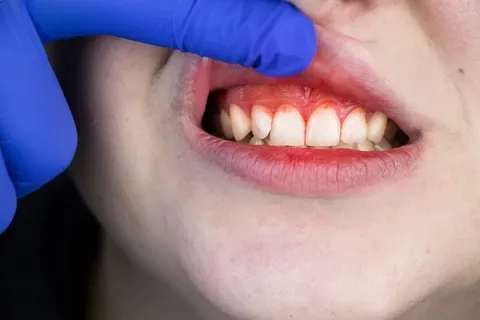
Gum disease is a common oral health condition that develops when bacteria accumulate around the teeth and gums. It often begins with mild inflammation but can become more serious if left untreated. As the condition progresses, it may damage the tissues and bone that support the teeth.
Recognizing the early warning signs and understanding how gum disease develops can help individuals seek appropriate dental care before complications occur.
1. Gingivitis: The Early Stage of Gum Disease
Gingivitis is the earliest stage of gum disease. It develops when plaque, a sticky film of bacteria, accumulates along the gumline.
Common signs include:
- Red or swollen gums
- Bleeding during brushing or flossing
- Gum tenderness
- Persistent bad breath
At this stage, the condition is generally reversible with proper oral hygiene and professional dental care. Regular brushing, flossing, and routine dental examinations can help control plaque buildup.
2. Early Periodontitis: When Gum Inflammation Progresses
If gingivitis is not addressed, it may progress into periodontitis. At this stage, inflammation begins affecting the tissues that support the teeth.
The gums may start separating from the teeth, creating small spaces known as periodontal pockets. Bacteria can collect in these pockets, making the condition more difficult to manage with routine brushing alone.
Some individuals may notice persistent gum bleeding, bad breath, or changes in gum appearance.
Professional periodontal evaluation is important to determine the extent of the condition and appropriate treatment.
3. Moderate Periodontitis: Increasing Damage to Supporting Structures
As periodontitis advances, inflammation can cause further destruction of the supporting tissues and jawbone.
Possible symptoms include:
- Deeper periodontal pockets
- Receding gums
- Increased tooth sensitivity
- Changes in how teeth fit together when biting
- Noticeable spaces developing between teeth
Treatment may involve scaling and root planing to remove plaque and hardened deposits from below the gumline.
4. Advanced Periodontitis: Risk of Tooth Loss
Advanced periodontitis involves significant damage to the tissues and bone supporting the teeth. Teeth may become loose as their supporting structures weaken.
Other symptoms can include gum recession, discomfort while chewing, persistent bad breath, and changes in tooth positioning.
Without appropriate treatment, affected teeth may eventually need to be removed. Advanced cases may require specialized periodontal care and ongoing monitoring.
What Increases the Risk of Gum Disease?
Several factors can increase the likelihood of developing gum disease or contribute to its progression:
- Poor oral hygiene: Inadequate plaque removal allows bacteria to accumulate around the gums.
- Smoking: Tobacco use can negatively affect gum health and healing.
- Diabetes: Poorly controlled blood sugar can increase the risk of periodontal problems.
- Hormonal changes: Certain hormonal fluctuations may make gums more sensitive to inflammation.
- Genetics: Some individuals may have a greater susceptibility to periodontal disease.
- Certain medications: Some medications can affect gum tissue or contribute to dry mouth.
Understanding these risk factors can help individuals take preventive steps and discuss concerns with their dental professionals.
How Can Gum Disease Be Treated?
Treatment depends on how far the condition has progressed.
Early gingivitis may improve with professional cleaning and consistent home care. Regular professional dental cleanings help remove plaque and tartar buildup that regular brushing may not eliminate completely.
More advanced periodontal disease may require scaling and root planing, periodontal maintenance, or additional procedures.
Patients experiencing persistent bleeding, gum recession, or loose teeth should arrange a dental examination rather than waiting for symptoms to worsen.
How Can You Help Prevent Gum Disease?
Good daily habits play an important role in maintaining healthy gums.
- Brush twice daily using fluoride toothpaste.
- Clean between teeth every day with floss or suitable interdental cleaners.
- Schedule regular professional dental cleanings.
- Avoid tobacco products.
- Manage health conditions that may affect gum health.
- Seek dental advice when unusual gum changes occur.
Consistent preventive care can help reduce plaque buildup and support long-term periodontal health.
Final Thoughts
Gum disease can progress from mild gum inflammation to significant damage affecting the tissues and bone that support the teeth. While early gingivitis is generally reversible, periodontitis requires professional management to control the condition and reduce further damage.
Recognizing symptoms early and maintaining regular dental visits can help protect gum health and support the long-term stability of natural teeth.