
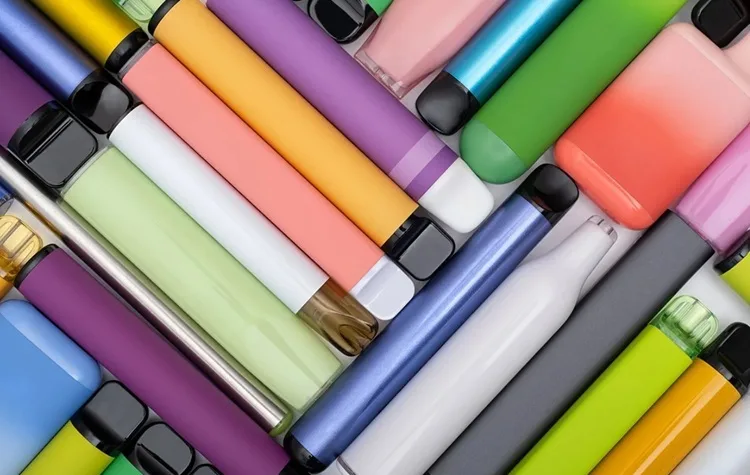
The vaping industry has grown rapidly in recent years. As more users shift from traditional smoking to vaping products, manufacturers are expected to follow safer and cleaner production methods. A company that follows TPD regulations also plays an important role in supporting sustainable vape production.
TPD stands for Tobacco Products Directive. These rules were introduced in the European Union to regulate vape products and improve consumer safety. A TPD compliant manufacturer follows strict standards related to ingredients, packaging, product testing, and emissions. At the same time, many manufacturers are also improving their environmental practices.
A responsible TPD vape manufacturer focuses on product quality while reducing waste and unnecessary environmental impact.
How Does a TPD Compliant Vape Manufacturer Support Sustainable Vape Production?
Using Safer Materials in Vape Production
One of the main ways a manufacturer supports sustainable production is by using safer materials. Cheap plastics and low grade metals may affect product quality and increase waste if devices fail early.
TPD compliant manufacturers often use tested materials that meet safety standards. These materials usually last longer and reduce the chances of product defects. As a result, fewer products are discarded after short periods of use.
Many manufacturers also reduce the use of harmful chemicals in vape liquids. They carefully check ingredients before production begins. This helps create cleaner products while lowering the risk of environmental contamination during manufacturing.
Reducing Waste During Manufacturing
Waste management is an important part of sustainable vape production. Factories that produce large quantities of vape devices can generate plastic waste, packaging waste, and unused components.
A regulated manufacturer usually follows controlled production methods to reduce unnecessary waste. Materials are measured carefully before assembly starts. Faulty products are identified during testing instead of reaching the market.
Some manufacturers also recycle unused materials from production lines. Metal parts, plastic components, and packaging materials can often be processed and reused. This lowers the amount of industrial waste sent to landfills.
By following structured manufacturing processes, a TPD vape company can improve production efficiency while reducing material loss.
Better Quality Control Improves Sustainability
Low quality vape products often stop working after a short time. This increases electronic waste because users replace devices frequently.
TPD compliant manufacturers test products before distribution. Devices are checked for battery performance, liquid leakage, heating stability, and overall safety. Products that pass testing usually last longer under normal usage conditions.
Long lasting products support sustainability because fewer replacements are needed. Consumers also experience fewer product failures, which reduces disposal rates.
Quality control also helps manufacturers avoid mass recalls and defective shipments. This prevents additional waste from returned or damaged products.
Responsible Packaging Methods
Packaging is another area where manufacturers can support sustainability. Excessive packaging creates unnecessary waste, especially with disposable vape products.
Many regulated manufacturers now use recyclable packaging materials. Cardboard based packaging is becoming more common compared to thick plastic containers. Some companies also reduce printed inserts and unnecessary wrapping inside product boxes.
Clear labeling required under TPD regulations can also improve consumer awareness. Users can understand product usage instructions, nicotine information, and disposal recommendations more easily.
Proper disposal guidance is especially important for batteries and electronic components. Incorrect disposal can harm the environment if products are thrown away carelessly.
Conclusion
Sustainable vape production involves more than manufacturing devices and e liquids. It includes material selection, waste reduction, product testing, packaging improvements, and responsible product design.
A TPD compliant manufacturer supports these goals by following regulated production standards and improving product reliability. Better quality products last longer, create less waste, and support safer usage for consumers.
As environmental concerns continue to grow, manufacturers that focus on sustainability and compliance will likely play a larger role in the future of the vaping industry.