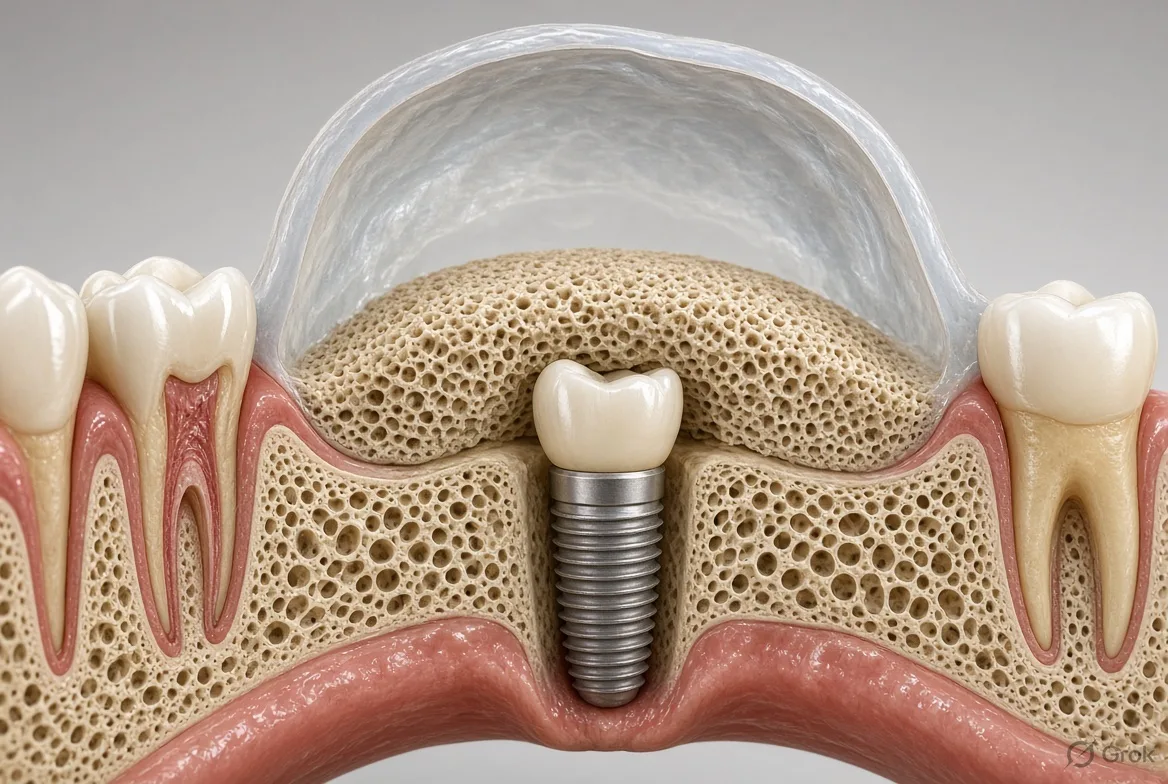
Dental implants are a popular solution for replacing missing teeth, offering stability, functionality, and a natural-looking appearance. However, successful implant placement depends on having sufficient bone in the jaw to support the implant. When the upper back teeth are missing, the bone in that area may become too thin to hold an implant securely. A sinus lift procedure can help address this challenge by creating additional bone support.
A sinus lift, also known as sinus augmentation, is a surgical procedure that increases the amount of bone in the upper jaw near the molars and premolars. During the procedure, a dentist or oral surgeon gently lifts the sinus membrane and places bone grafting material beneath it. Over time, the graft integrates with the existing bone, creating a stronger foundation for future implant placement.
Why Is a Sinus Lift Necessary for Dental Implants?
The maxillary sinuses are air-filled spaces located above the upper back teeth. When these teeth are lost, the surrounding jawbone may gradually shrink due to a lack of stimulation. Additionally, the sinus cavity may expand downward over time, leaving less bone available for implant placement.
Insufficient bone height can make it difficult to position an implant safely and securely. Placing an implant without adequate bone support may increase the risk of instability or complications. A sinus lift helps overcome this limitation by increasing the available bone height, allowing eligible patients to receive implants when their natural bone structure alone is insufficient.
How Does a Sinus Lift Improve Implant Success?
One of the primary benefits of a sinus lift is that it creates a stronger foundation for implant placement. Dental implants rely on a process called osseointegration, in which the implant gradually bonds with the surrounding jawbone. Adequate bone volume supports this process and helps the implant remain stable during healing and everyday use.
A sinus lift also allows dental professionals to place implants in areas that might otherwise be unsuitable. This can expand treatment options for patients who have experienced bone loss following tooth extraction, gum disease, or prolonged tooth loss.
Another advantage is improved treatment flexibility. Depending on the patient's bone condition, an implant may sometimes be placed during the same appointment as the sinus lift. In other cases, the graft needs several months to heal before implant placement. The appropriate approach depends on the available bone, overall oral health, and treatment goals.
What Happens During Recovery?
Recovery following a sinus lift varies depending on the complexity of the procedure and the patient's individual healing response. Mild swelling, bruising, and discomfort may occur during the first few days. Following the dentist's instructions can help reduce complications and support proper healing.
Patients are generally advised to avoid smoking, strenuous activities, and actions that create pressure within the sinuses, such as forceful nose blowing. Sneezing with the mouth open may also be recommended to minimize pressure on the surgical area.
Follow-up appointments allow the dental professional to monitor healing and determine when the bone graft is ready to support an implant. Maintaining good oral hygiene and attending scheduled visits are important parts of the recovery process.
Is a Sinus Lift Right for You?
Not every patient who needs upper-jaw implants requires a sinus lift. A dental examination, dental X-rays, and often a cone-beam computed tomography (CBCT) scan help assess bone height, sinus anatomy, and the safest treatment approach. Medical history and existing dental conditions are also considered before surgery.
Patients with insufficient upper-jaw bone should discuss their options with an experienced dental professional to understand the potential benefits, risks, healing time, and costs involved.
Ultimately, a sinus lift can make implant treatment possible for patients who lack adequate bone in the upper jaw. By increasing bone volume and providing the support needed for stability, this procedure can improve the conditions necessary for successful dental implant treatment and help patients work toward a healthy, functional, and confident smile.