
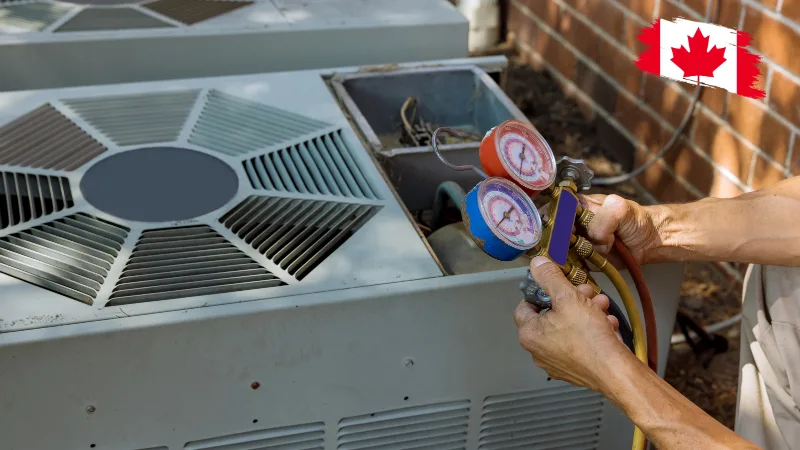
Halifax homeowners experience a wide range of weather conditions throughout the year. Winter often brings freezing temperatures and coastal winds, while summer can be warm and humid. Choosing a heating and cooling system that performs well during every season is an important decision, and this is one reason heat pumps have become increasingly common across the region.
Understanding how a heat pump works helps homeowners appreciate why professional planning and installation are just as important as the equipment itself. Partnering with a trusted Heat Pump Installation Company Halifax homeowners rely on can help ensure the system is designed for local conditions and the specific needs of the property.
Heat Pumps Move Heat Instead of Creating It
Unlike a traditional furnace that generates heat through combustion or electrical resistance, a heat pump transfers existing heat from one place to another.
During colder months, the outdoor unit absorbs available heat energy from the outside air—even when temperatures feel cold. That heat is carried through a refrigerant cycle and released indoors, where it warms the living space.
When summer arrives, the process reverses. The system removes unwanted heat from inside the home and transfers it outdoors, allowing cooler air to circulate throughout the house.
Because the same equipment provides both heating and cooling, homeowners benefit from year-round climate control without installing two separate systems.
Why Heat Pumps Perform Well in Halifax
Many people assume heat pumps stop working during winter, but modern systems are engineered to operate in colder climates.
Halifax experiences changing weather patterns that include freezing temperatures, rain, snow, and humid coastal air. Today's cold-climate heat pumps are designed to continue transferring heat efficiently under these conditions.
Professional equipment selection takes these environmental factors into account, ensuring the system matches the home's heating demand rather than relying on generic recommendations.
Understanding the Main Components
A heat pump consists of several components that work together during every operating cycle.
The outdoor unit absorbs or releases heat depending on the season. Inside the home, the indoor unit distributes conditioned air into the living space. Refrigerant travels between these components, carrying heat as it changes state throughout the system.
The compressor increases refrigerant pressure, allowing heat transfer to occur efficiently, while expansion devices regulate temperature and pressure before the cycle begins again.
Each component depends on the others to maintain steady indoor temperatures throughout the year.
The Importance of Correct Installation
Even high-quality equipment cannot perform at its best without proper installation.
Before recommending equipment, a professional heat pump installation company evaluates several characteristics of the property, including insulation, room layout, window placement, ceiling height, airflow, electrical capacity, and available installation space.
These factors influence equipment sizing and overall system performance. Installing equipment without evaluating the home can result in uneven temperatures, unnecessary operating strain, and reduced efficiency.
Professional installation helps create a system that operates as one complete unit rather than a collection of individual components.
Airflow Makes a Difference
A heat pump relies on continuous airflow to maintain comfortable indoor conditions.
Blocked vents, restricted filters, or poorly balanced air distribution can affect how efficiently heated or cooled air reaches different rooms. During installation, technicians evaluate airflow pathways to help ensure conditioned air circulates throughout the property as intended.
Balanced airflow also reduces unnecessary workload on the equipment and contributes to more consistent temperatures.
Smart Controls Improve Everyday Comfort
Modern heat pumps often work alongside programmable or smart thermostats.
These controls allow homeowners to manage indoor temperatures more accurately while adjusting settings to match daily routines. Instead of manually changing temperatures throughout the day, homeowners can schedule heating and cooling according to occupancy and seasonal needs.
When properly configured, these controls help the entire HVAC system operate more effectively.
Routine Maintenance Supports Reliable Performance
Like any heating and cooling equipment, heat pumps benefit from regular inspections.
Cleaning or replacing air filters, inspecting electrical connections, checking refrigerant levels, and evaluating airflow all contribute to dependable operation throughout the year.
Scheduling professional HVAC Services also allows technicians to identify normal wear before it develops into more significant repairs, helping homeowners protect their investment over time.
Choosing the Right Professionals
Installing a heat pump is not simply about placing equipment inside and outside the home.
Experienced professionals understand how equipment selection, airflow, electrical systems, and home construction work together to influence performance. They also provide guidance after installation, helping homeowners understand routine maintenance and proper system operation.
Working with an established HVAC Company provides long-term support beyond the installation itself, making future inspections and servicing more straightforward.
Across Halifax, Bedford, and surrounding Nova Scotia, Clim A.G. provides residential heat pump installation, maintenance, inspections, and repair services. Every project begins with a detailed evaluation so homeowners receive recommendations based on the specific characteristics of their property.
Conclusion
Heat pumps work by transferring heat rather than producing it, allowing one system to provide both heating and cooling throughout the year. Their performance depends on proper equipment selection, accurate installation, balanced airflow, and ongoing maintenance. By working with an experienced heat pump installation company, homeowners can feel confident that their system is prepared to perform efficiently in Halifax's changing climate.