Indoor air quality can be easy to overlook, but the air inside a home or workplace may contain dust, odors, pet-related particles, and other airborne contaminants. Since people spend a significant amount of time indoors, understanding basic air-cleaning methods can help them make practical decisions about maintaining a more comfortable indoor environment. Air purifiers are commonly used as one part of an overall indoor air-quality strategy.
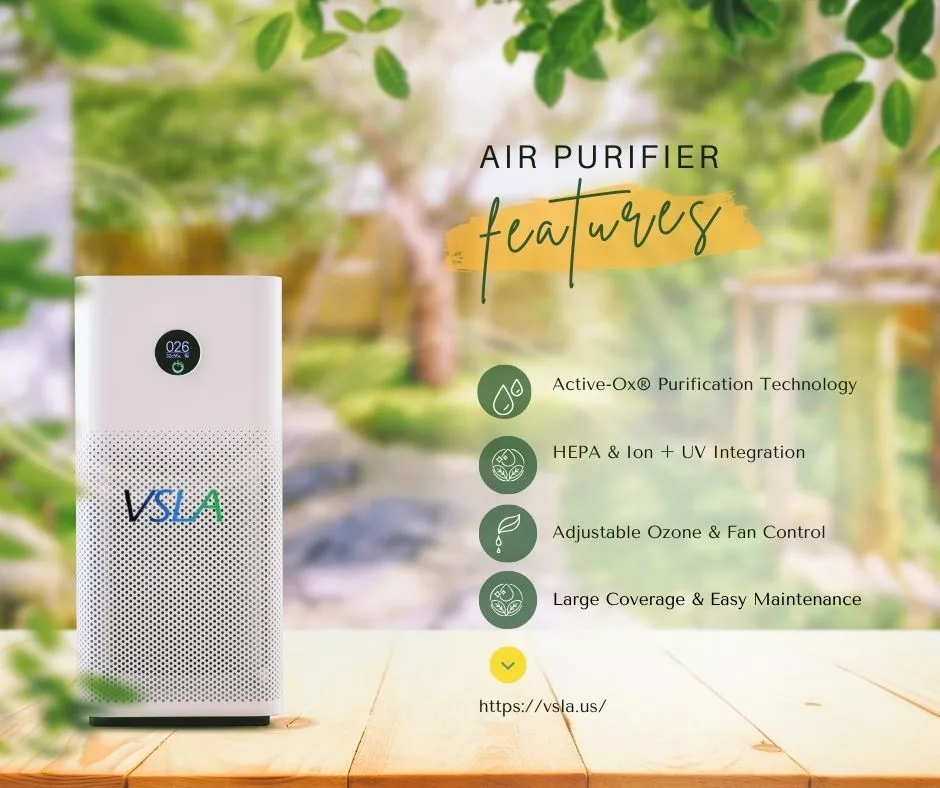
When researching Living Air air purifiershttps://vsla.us/, it is useful to understand what an air purifier is designed to do and what factors can affect its operation. Air-cleaning devices generally draw indoor air through one or more treatment stages and then return the treated air to the surrounding room. The exact process depends on the technology used in a particular unit.
What Do Air Purifiers Do?
Air purifiers are designed to help reduce certain airborne particles or contaminants. Depending on the technology, a unit may use filters, electronic components, ultraviolet light, ionization, or other methods to treat air. Different technologies have different purposes, so it is important to understand the specifications of an individual model before deciding whether it fits a particular indoor environment.
Particle filtration, for example, is commonly used to capture particles from the air. Other technologies may focus on odors or specific airborne compounds. No single purification method should automatically be assumed to address every type of indoor pollutant.
Why Room Size Matters
One important factor when choosing an air-cleaning device is the size of the room where it will operate. A purifier intended for a smaller space may not provide the same level of air circulation in a large open area. Room layout, ceiling height, doors, windows, and the amount of airflow can also influence how air moves through the space.
A helpful tip is to compare the purifier's recommended coverage area with the actual room size before using it. This can provide a more realistic expectation of how the device may perform.
Filters and Maintenance
Regular maintenance is another important part of using an air purifier. If a unit contains a replaceable or washable filter, the filter can collect particles over time. A dirty filter may restrict airflow and reduce the effectiveness of the equipment.
Maintenance requirements can vary significantly between models. Some units may require filter replacement, while others may have additional components that need inspection or cleaning. Following the manufacturer's instructions is generally the safest way to determine when maintenance is needed.
Air Purifiers and Everyday Cleaning
An air purifier should not be viewed as a replacement for normal cleaning or ventilation. Dusting, vacuuming, managing moisture, and addressing sources of pollutants are also important parts of maintaining indoor air quality.
For example, reducing the amount of dust entering a room can help limit the number of particles that become airborne. Proper ventilation can also help remove stale air and introduce outdoor air when outdoor conditions are suitable.
Understanding Different Air-Cleaning Technologies
Before selecting an air purifier, it can be useful to learn what technology it uses. A mechanical filter works differently from an electronic air-cleaning system, while odor-control technologies may operate differently from particle-focused filtration.
Consumers should also review information about replacement parts, operating requirements, noise levels, energy use, and maintenance. Looking at these details can make it easier to compare equipment based on practical needs rather than relying only on general descriptions.
Making an Informed Choice
The most suitable air-cleaning approach depends on the indoor environment and the specific concern being addressed. A person dealing primarily with household dust may have different requirements from someone concerned about odors or other airborne contaminants.
When evaluating an air purifier, consider the room size, desired air-cleaning function, maintenance schedule, replacement component availability, and manufacturer's operating guidance. These factors can help create realistic expectations about what the equipment can and cannot do.
Indoor air quality is influenced by many factors, and air purification is only one part of the overall picture. Combining appropriate equipment with regular cleaning, suitable ventilation, and good household prac