
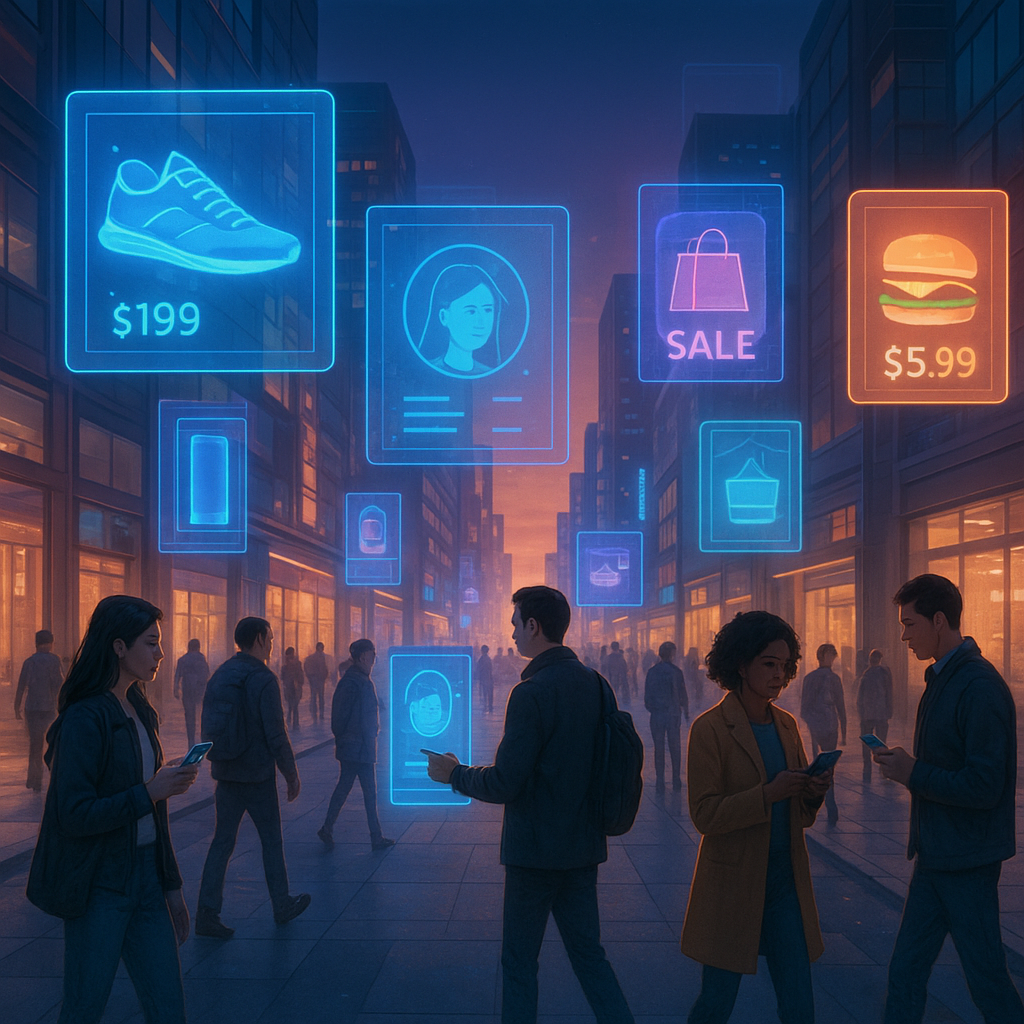
Unveiling a Digital Advertising Revolution: A Scene from 2026
Picture this: a consumer scrolling through their augmented reality (AR) glasses while walking a city street in 2026. Advertisements don’t just pop up on a phone screen—they are seamlessly integrated into their environment, personalized in real-time, and respond to their emotions and preferences detected through biometric sensors. This immersive, AI-driven advertising experience is no longer science fiction but a reality shaping consumer-brand interactions worldwide.
According to industry reports, global digital ad spending surpassed $1.2 trillion in early 2026, marking a 15% growth over 2025, fueled by innovations in AI, immersive technologies, and privacy-centric data strategies. This expansion reflects how brands have shifted from traditional banner ads to deeply integrated, context-aware experiences that respect consumer autonomy and enhance engagement.
“The future of advertising lies not in interrupting attention but in enriching it. Digital ads must feel less like ads and more like personalized experiences.” — Maya Thompson, Chief Marketing Officer, Nexa Digital
This article explores how digital advertising evolved to this point, the technological and regulatory forces driving change, current trends dominating the market, expert insights on industry impacts, and what marketers must watch for to stay ahead.
Tracing the Path: From Banner Ads to AI-Powered Experiences
The journey of digital advertising is a story of rapid innovation and adaptation. Early 2000s digital advertising was dominated by static banners and pop-ups, which often annoyed users and yielded low engagement. The rise of search engine marketing and social media platforms in the 2010s introduced targeted ads based on user behavior and demographics.
By the late 2010s and early 2020s, programmatic advertising began automating ad buys, allowing brands to reach audiences more efficiently. Yet, this era also exposed challenges—ad fraud, privacy concerns, and ad fatigue became pervasive. The introduction of GDPR in Europe (2018) and CCPA in California (2020) marked the beginning of stricter data governance, compelling advertisers to rethink data collection and targeting strategies.
The breakthrough came with advances in AI and machine learning throughout the early 2020s, enabling hyper-personalized content creation and delivery. According to Statista data, AI-driven digital advertising campaigns in 2023 increased ROI by an average of 30% compared to traditional campaigns. This shift was complemented by the integration of immersive technologies such as AR and virtual reality (VR), which started to blur the lines between advertising and entertainment.
“The transformation from interruptive ads to interactive experiences is the defining trend of the decade. Digital advertising now requires empathy and precision at scale.” — Dr. Elena Park, Digital Marketing Analyst
Behind the Numbers: 2026’s Digital Advertising Landscape in Data
The current digital advertising ecosystem is characterized by a complex interplay of platforms, technologies, consumer behaviors, and regulations. Here are key statistical insights painting a detailed picture:
- AI-Powered Personalization: Over 75% of digital ads deployed in 2026 use AI algorithms for dynamic content optimization, tailoring messages based on real-time user data.
- Immersive Ads Growth: AR and VR advertising revenue grew by 60% year-over-year, with immersive ads accounting for 18% of total digital ad spend.
- Privacy-Centric Strategies: 82% of marketers report increased investment in first-party data collection and consent management platforms following new global privacy frameworks.
- Multi-Channel Integration: Consumers engage with ads across an average of 4.3 digital touchpoints before conversion, emphasizing omnichannel campaigns.
This data underscores a move away from mass targeting toward nuanced, consumer-respectful advertising. It also signals the increasing importance of real-time analytics and adaptive campaign strategies.
Comparatively, traditional media advertising spends have seen stagnation or decline, with TV ad revenues dropping by around 6% in 2025, as brands reallocate budgets to digital platforms offering measurable, customizable results.
2026 Spotlight: Key Innovations and Industry Shifts
The past year brought several pivotal developments shaping the future trajectory of digital advertising:
- Contextual AI Targeting: Moving beyond cookies and identifiers, AI now analyzes context signals such as surrounding content, device type, and even ambient environment to serve relevant ads while preserving privacy.
- Emotion-Sensing Ads: Sensors embedded in wearables and AR devices detect emotional cues, enabling brands to adjust messaging tone or offers instantly, enhancing relevance.
- Decentralized Data Models: Inspired by blockchain principles, decentralized data marketplaces empower consumers to control and monetize their data, shifting power dynamics between brands and users.
- Regulatory Harmonization: Cross-border collaboration between data protection authorities has led to more unified frameworks, simplifying compliance for global advertisers.
- Increased Use of Synthetic Media: AI-generated influencers and virtual brand ambassadors are now mainstream, offering scalable, customizable representation without human limitations.
These innovations have forced marketers to reevaluate strategies, foster creativity, and prioritize ethical considerations. According to a recent TheOmniBuzz analysis on AI and Privacy Shaped the New Era of Digital Advertising, the balance between personalization and privacy is the defining challenge—and opportunity—of 2026.
Voices from the Field: Expert Perspectives on Digital Advertising's Evolution
Industry leaders emphasize that the digital advertising environment in 2026 is less about volume and more about value. Sarah Kim, Chief Strategy Officer at AdVanta Media, highlights:
“Consumers have developed an acute sensitivity to irrelevant or intrusive advertising. Success now depends on authenticity, transparency, and delivering real utility through ads.”
From a technology standpoint, AI ethicist Dr. Raj Patel notes the importance of responsible AI integration:
“While AI enables unprecedented targeting precision, it also risks reinforcing biases or eroding consumer trust if not implemented with rigorous oversight and fairness.”
Marketers also report that collaboration across disciplines—combining data science, creative design, and behavioral psychology—is essential to craft campaigns that resonate. The rise of cross-functional teams reflects this trend, as does the growing role of real-time data analytics platforms in campaign optimization.
These insights align with findings from Harnessing AI and Data to Revolutionize Digital Advertising Strategies, which underscores how data-driven creativity and ethical considerations shape competitive advantage.
Looking Forward: What Marketers Must Watch and Prepare For
As digital advertising continues to mature, several critical trends and challenges will define the next phase:
- Privacy Innovation: Embracing privacy-by-design in ad tech will be non-negotiable. Marketers must invest in transparent consent mechanisms and explore privacy-enhancing computation techniques.
- AI Explainability: Increasing demand for transparency in AI decision processes will require advertisers to adopt explainable AI models to maintain trust and regulatory compliance.
- Cross-Reality Advertising: The convergence of AR, VR, and mixed reality platforms will open new avenues for immersive brand experiences, necessitating new creative skill sets.
- Consumer Data Ownership: The rise of decentralized data ecosystems will empower consumers to actively participate in advertising value chains, challenging traditional data monopolies.
- Sustainability and Social Responsibility: Environmental and social governance will influence ad messaging and platform choices as consumers demand more responsible brand behavior.
Strategically, marketers should focus on building long-term trust and delivering genuine value through ads, moving beyond short-term conversions. Investing in education and cross-industry collaboration will be key to navigating this complex landscape.
Reflecting on these themes, TheOmniBuzz's article on Why Digital Advertising’s Next Revolution Is Rooted in Trust and Technology offers actionable insights for brands seeking sustainable growth.
Case Studies: Brands Leading the Way in 2026
Several companies have set benchmarks by innovating responsibly in digital advertising.
- EcoWear: This sustainable fashion brand implemented emotion-sensing AR ads that adapt colors and messages based on users’ mood detected via smart glasses. Their campaign resulted in a 40% increase in engagement and a 25% sales uplift within three months.
- AutoLink Motors: Leveraging decentralized data marketplaces, AutoLink rewarded consumers with tokens for sharing preferences, which it used to deliver highly personalized offers without compromising privacy. This approach boosted customer loyalty scores by 30%.
- Nexa Digital: As a digital ad agency, Nexa pioneered AI explainability tools that allow clients to see how campaigns adjust in real-time, reinforcing transparency and trust with their audiences.
These examples reveal how combining technology with ethical strategy creates impactful and sustainable digital advertising models.
In conclusion, digital advertising in 2026 is a sophisticated ecosystem where technology, privacy, creativity, and consumer empowerment intersect. Brands that embrace this holistic approach will not only capture attention but also forge meaningful, lasting connections.