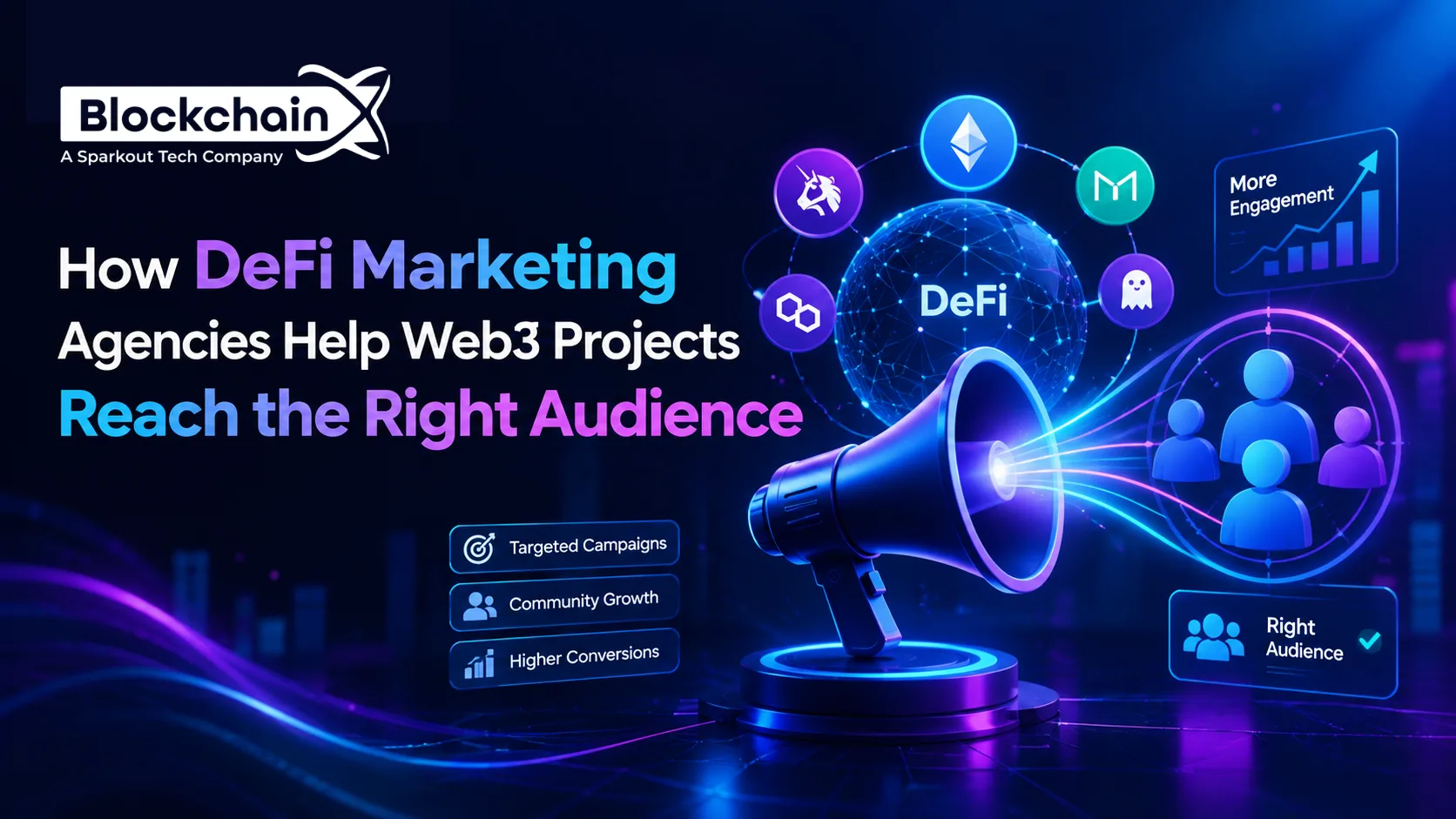
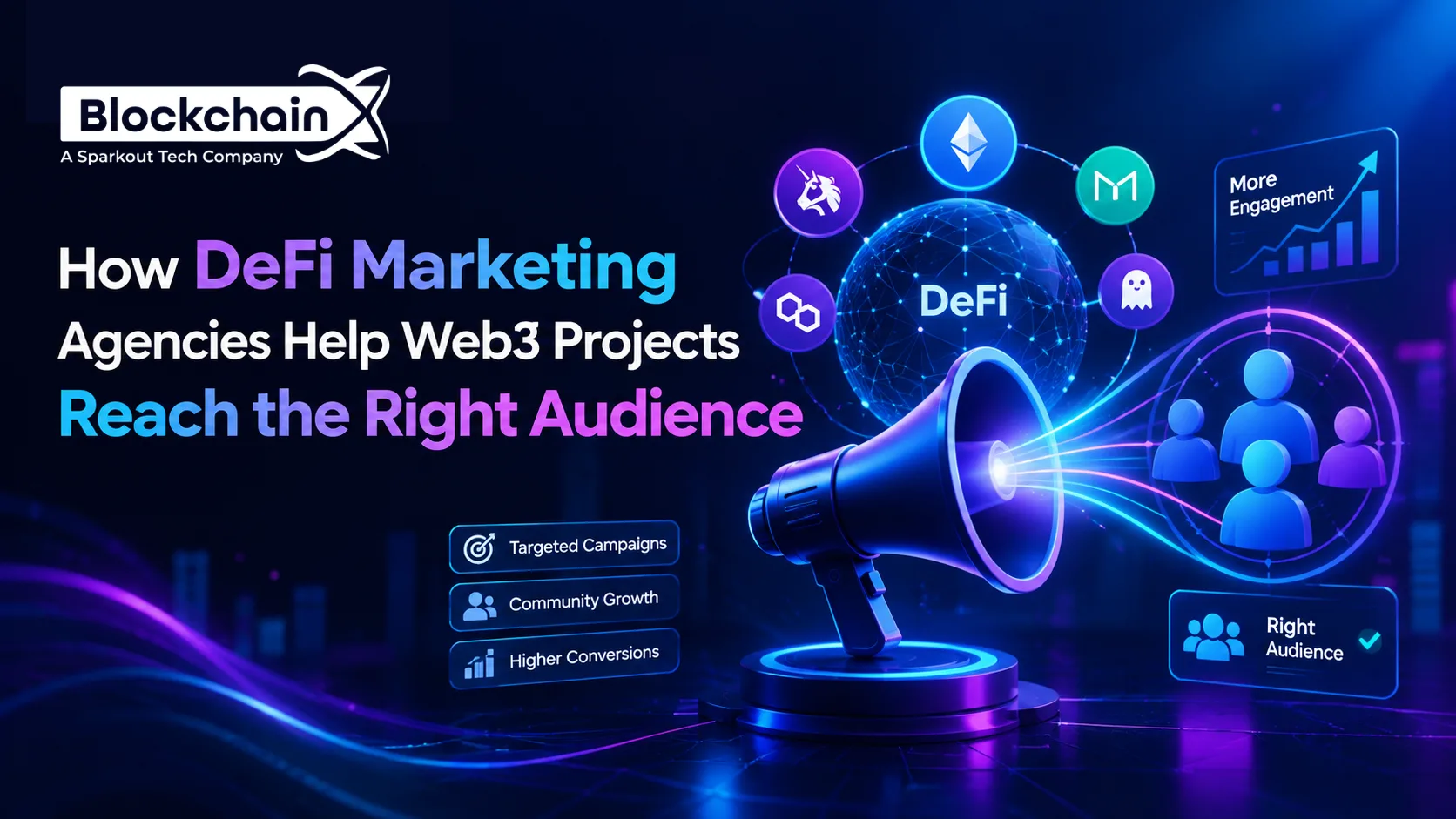
Blockchain-based lending, borrowing, trading, staking and other financial solutions have reshaped the decentralized finance (DeFi) ecosystem and transformed the way people interact with financial service providers. Creating an innovative DeFi platform isn't enough to achieve success, though. Projects need to be disseminated to the appropriate target group, effectively communicated, and trust is needed in a competitive field.
Pepper Quartos is the place where DeFi marketing companies are essential. The expertise of these firms, along with their focused approach, community involvement, and data-driven strategies, makes them a valuable asset for Web3 initiatives aiming to reach users genuinely interested in decentralized financial services.
Understanding the DeFi Marketing Landscape
There are several ways in which DeFi marketing is different from traditional digital marketing. Some of the key parameters through which blockchain users assess various projects are transparency, security, token utility, community involvement and team credibility. They can also be apprehensive of vulnerability in the smart contracts, issues of liquidity, volatility in the market and incorrect project statements.
These are all areas that need to be tackled in a successful marketing strategy which should inform the audience how it operates and what issues it wants to resolve.
One of the key challenges faced by DeFi marketing agencies is the ability to reach various target audiences, such as cryptocurrency investors, developers, liquidity providers, traders, and regular users interested in decentralized finance. Rather than promoting a project to all users, they facilitate recognition of the major audiences that can benefit from the project products.
1. Identifying the Right Target Audience
First, it is important to identify and research the target users of a particular project. For those looking for on-chain lending options, a decentralized lending platform may be more relevant; for active traders and liquidity providers, a decentralized lending exchange could be a more suitable option.
A DeFi marketing agency can assist the projects in creating customer profiles based on their requirements, blockchain inclination, product familiarity and online behavior. This will enable marketing teams to develop a message to tackle particular issues rather than promote in general.
Audience segmentation is also a good factor in campaign planning. Some educational content is suitable for new-bitizen users, but say technical documentation, protocol comparisons, and updates for the ecosystem will be more useful for advanced DeFi users.
Projects with a communication that serves actual user needs will have more relevant visitors and be more likely to have visitors browse the platform.
2. Building a Clear and Trustworthy Brand
In the world of decentralized finance, trust is especially crucial as users can interact with smart contracts and assets without the layer of security offered by traditional financial institutions.
In essence, DeFi marketing agencies play a crucial role in bringing clarity and consistency to a project's marketing efforts, be it communicating its purpose, technical capabilities, governance structure, or risk disclosures. They could help develop brand messaging, site content, educational materials and materials for campaigns that are meant to outline the platform but not overpromise.
Openness should be always in focus. Marketing content should not tell investors that they are sure to profit from an investment, or that a contract with the token is not audited but will be safe, or even a token will be sure to appreciate.
A credible brand helps end users understand all the information they need to consider when assessing a project for themselves. Good communication can have a positive impact on any platform and over time can help improve recognition and create an informed community.
3. Using Content Marketing to Educate Users
The complexities of DeFi products can be confusing, especially for those not savvy in the world of decentralized applications, liquidity pools, stakers, and automated market makers.
The concepts can be made easy when it comes to content marketing. There are multiple ways that agencies can create content for their blogs: explainers, articles, tutorials, research reports, FAQs, and educational videos to answer a list of standard user questions.
A lending protocol, for instance, could share a guide illustrating collateral ratios, liquidation procedure, as well as lending costs. An education campaign may be developed by a decentralized exchange on liquidity provision, impermanent losses and transaction fees.
When users search for relevant information, these resources can be easier to find if search engine optimization (SEO) is used. Finally, a content policy that is structured offers users chances along their research journey, starting from elementary education to product comparison.
The aim is not only to drive traffic to your site. It is done to educate future customers about the product and let them make informed buying decisions.
4. Strengthening Community Engagement
Community involvement plays a crucial role in numerous Web3 initiatives. Teams can interact with users, provide details on their products, and solicit feedback through platforms like X, Discord, and Telegram.
DeFi marketing companies can assist in developing community rules, arranging a training sessions, arranging your notice, and establishing regular communication timetables. They can also indicate to groups when they're engaging or not, like when they have a lot of followers or just tons of comments repeating the same message.
A healthy community provides a forum for users to find out about developments with a project, offer suggestions on features, and report issues. Routine updates and effective communication may also help to eliminate confusion when product launches or market volatility strike.
But the growth of communities should not be about engaging people, but involving people. Its popularity on social media is just one factor in determining long term success and members need to feel they can rely on the project and value its work.
5. Reaching Users Through Strategic Partnerships
Blockchains, wallet, analytics platform, decentralized applications, developer communities, and educational publishers are some of the other components of the DeFi ecosystem. For instance, if the use case or technology for a project is clear to an audience, a relevant partnership can introduce the project to them.
Marketing agencies are able to help identify any suitable collaboration opportunities, coordinate educational campaigns, arrange subject expertise interviews, and create co-marketing initiatives with complementary projects.
A protocol running on a specific blockchain could partner with educator communities or blockchain developers to demystify how that protocol integrates and how it can be used in the ecosystems it's adopted. A DeFi analytics platform with data on their fees and available options could be useful in guiding research publishers to disseminate educational content.
Partnerships should be chosen according to: appropriateness to the audience, credibility and common goals. A good partnership announcement isn't one that simply doesn't generate a positive reaction with its users or product adoption.
6. Combining Social Media and Influencer Outreach
Using social media, DeFi projects can post product updates, clear up misconceptions about new features, and join conversations regarding blockchain technology. Influencers or independent researchers might also get a project known to a well-established population.
A DeFi marketing organization can arrange material schedules, organize producer collaborations, create project messaging, as well as keep an eye on buyer responses. The most successful campaigns focus on targeted creators who have a compatible audience with the project's target users.
Transparency is essential. Paid promotions should be reported in an appropriate way and creators should not be making unsupported claims regarding returns, security or token performance.
Rather than judging a campaign only by impressions or follower growth, projects should assess relevant engagement, qualified website visits, community participation, and other meaningful outcomes.
7. Measuring Results and Improving Campaigns
The better the marketing teams measure performance on their strategies and the more they use what they learn to enhance their next marketing campaign, the more effective the campaign will be.
For a project, useful metrics might depend on the use that it serves, but could be useful are visits from organic search, qualified website traffic, documentation engagement, engagement in the community, product onboarding completion, and active protocol use.
Agencies can learn from information and analytics tools, community feedback and campaign tracking techniques, and which channels are bringing in a relevant audience. This, in turn, allows them to tailor their message, content format, delivery strategy, and reach.
Metrics need to be used with caution. The number of tokens in circulation, volume traded and Total Value Locked (TVL) can fluctuate due to market sentiment, incentives, and other factors and do not necessarily reflect a marketing campaign's influence.
A good measure-to-be-done framework integrates between marketing effort and meaningful user behavior whilst recognising other factors beyond marketing that can affect user adoption.
Choosing the Right DeFi Marketing Agency
Choosing an agency isn't limited to comparing lists of services. When assessing an agency for a DeFi project, look for experience with those audiences, measurement tools, communication tactics and the agency's content quality as well as blockchain understanding.
Campaign performance information, review process for promotional claims, and how the agency will adjust their plan to meet the product going forward should be discussed in teams. Some key principles for a successful partnership are clear deliverables, reasonable expectations, and effective communication.
Prominent projects in the DeFi sector can review specialised DeFi marketing providers to learn about the best way that content strategy, community administration, search optimisation and marketing plans could align with their expansion targets.
The right agency should partner with the project's tech and product teams, not substitute the need for a guy who can bring useful products, good security practice, and good communication in the mix.
Conclusion
Combined audience research, educational content, brand positioning, engaging your community, partnerships, and performance analysis is how DeFi marketing agencies assist Web3 projects in reaching the correct audience. These activities make complex financial products easier to comprehend and enable projects to communicate with relevant users the value of their financial products.
But marketing is not enough to ensure adoption or sustainability. The team's responsiveness in fulfilling user needs and the usefulness of the produced products, security, and transparency are elements that determine sustainable growth.
DeFi projects can leverage the right marketing channels and invest in long-term engagement rather than short-lived attention to develop meaningful connections with their audiences and lay fertile ground for sustainable success within the dynamic Web3 environment.