
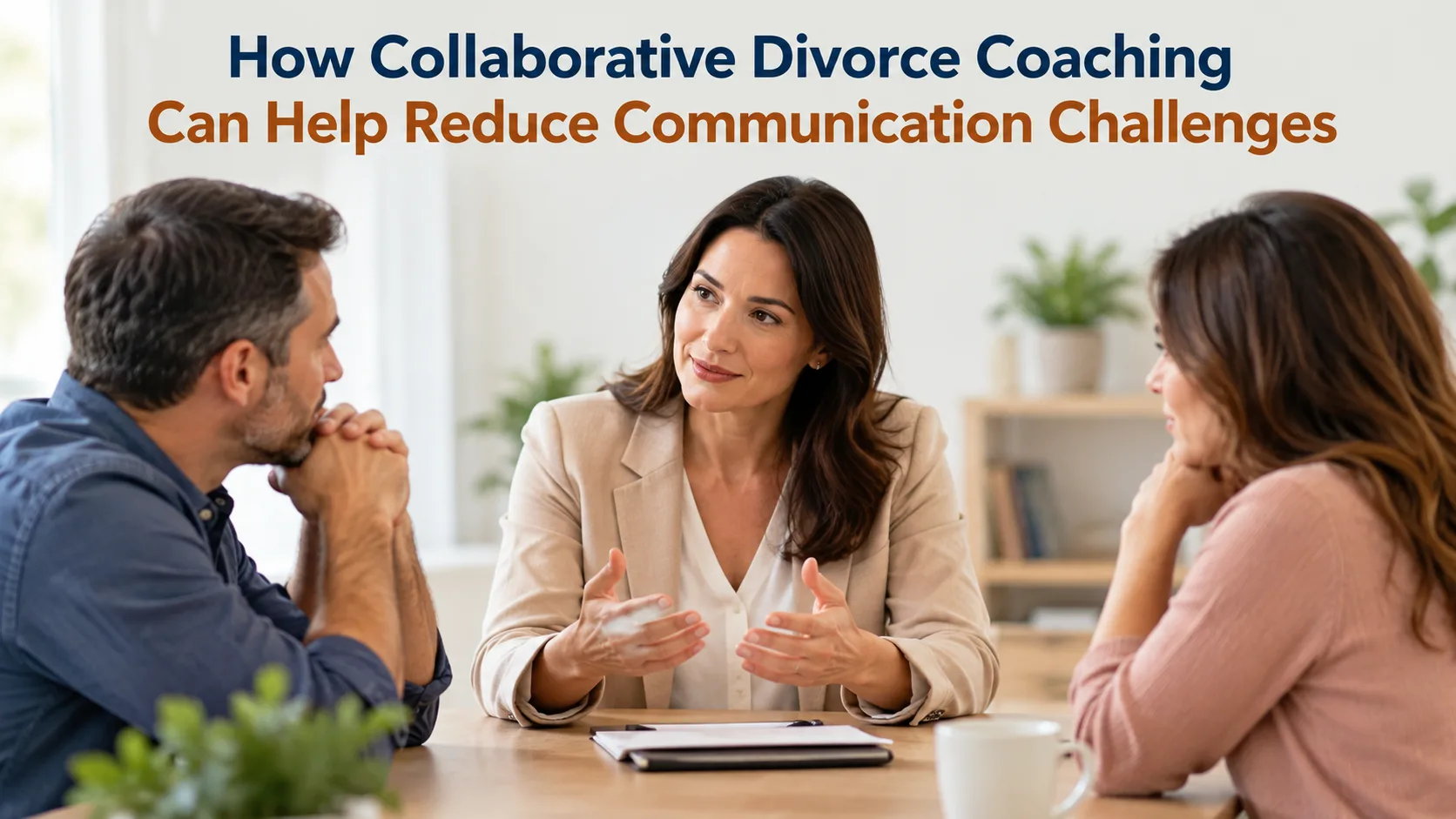
Divorce can make even simple conversations feel difficult. Emotions, uncertainty, financial concerns, and parenting decisions can quickly turn discussions into arguments. When communication becomes strained, a collaborative divorce coach can help people prepare for difficult conversations and approach the process with greater structure and awareness.
Collaborative divorce coaching focuses on communication, preparation, and the human side of divorce. It is different from legal advice and does not replace a lawyer. Instead, coaching can help individuals identify their priorities, prepare for discussions, and develop healthier ways to communicate during a challenging transition.
Why Communication Becomes Difficult During Divorce
Divorce often involves conversations about sensitive subjects. Couples may need to discuss money, property, parenting schedules, living arrangements, and future responsibilities. These topics can bring up frustration, disappointment, fear, or unresolved conflict.
When emotions take over, people may focus more on defending their position than understanding what the other person is saying. A conversation about a parenting schedule, for example, can quickly become a disagreement about past events.
This does not necessarily mean that productive communication is impossible. It may mean that both people need more structure around how they approach these conversations.
What Does a Collaborative Divorce Coach Do?
A collaborative divorce coach can help individuals or couples prepare for the communication challenges that often arise during divorce. Depending on the professional's role and the collaborative model being used, coaching may involve helping participants clarify their goals, recognize communication patterns, prepare for meetings, and stay focused on practical concerns.
The focus is not simply on making conversations more pleasant. It is about helping people communicate more intentionally when the subject matter is difficult.
A coach may help someone prepare questions before a meeting, organize their concerns, or think through how they want to respond to a difficult statement. This preparation can create more space between an emotional reaction and a considered response.
Preparing Before Difficult Conversations
One of the simplest ways to improve communication is to prepare before the conversation begins.
Instead of entering a discussion with a long list of frustrations, it can help to identify the specific issue that needs attention. For example, a parent discussing school transportation may need a practical schedule rather than a broader conversation about every disagreement from the marriage.
A divorce coach can help clients separate immediate decisions from longer-term concerns. This can make conversations easier to organize and keep the discussion connected to the issue at hand.
Preparation can also involve identifying questions that need answers and understanding which matters should be discussed with a lawyer, financial professional, mediator, or another qualified professional.
Learning to Communicate Without Escalating Conflict
Communication does not mean that both people must agree. In many divorce situations, disagreement is unavoidable.
The goal can instead be to communicate disagreement without turning every conversation into a personal conflict. This may involve listening carefully, asking clarifying questions, avoiding assumptions, and focusing on specific decisions.
Collaborative divorce coaching can provide a place to practice these skills before using them in conversations with a spouse or within a broader collaborative process. Professional guidance can also help people recognize personal communication patterns that may be making discussions harder.
Where Divorce Mediation Fits In
Divorce mediation and divorce coaching serve different functions, although they can complement one another.
Mediation is generally a joint process where separating spouses work with a neutral mediator to discuss issues and work toward their own agreements. Coaching, by comparison, focuses on preparing and supporting an individual or, depending on the model, participants within the collaborative process.
A divorce mediation service may therefore be useful when both parties are prepared to participate in a structured conversation. Coaching can help someone prepare for that process by clarifying concerns, priorities, and communication goals.
This distinction matters because a coach does not replace the mediator or provide legal representation. Each professional has a different role.
Communication Matters Even After Divorce
Communication challenges do not necessarily end when the divorce is finalized. Parents may still need to communicate about school events, holidays, medical appointments, activities, expenses, and changes in their children's needs.
For this reason, developing better communication habits during divorce can have value beyond the immediate process. A more practical communication style may help parents manage future conversations without returning to old marital conflicts.
Collaborative divorce coaching can also help people think about the kind of post-divorce relationship they want to maintain, particularly when ongoing co-parenting is involved.
A More Thoughtful Approach to Divorce
Every divorce is different, and communication challenges can make important decisions harder. Working with a collaborative divorce coach may help individuals prepare for difficult conversations, clarify their priorities, and approach discussions more thoughtfully.
Better Divorce Academy is one example of an organization that combines Certified Divorce Coaching with private ADR mediation. Its approach recognizes that divorce can involve more than legal decisions, including communication, parenting, finances, privacy, and future planning.
For anyone considering divorce coaching, mediation, or collaborative approaches, taking time to understand the available processes can be a useful first step. The right form of support will depend on each person's circumstances, priorities, and the nature of the issues involved.
Frequently Asked Questions
1. What is a collaborative divorce coach?
A collaborative divorce coach helps individuals or couples address communication, emotional, and practical challenges during a collaborative divorce process.
No. A divorce coach and mediator have different roles. A mediator facilitates joint discussions, while coaching focuses on preparation, communication, and individual or team support.
3. When should I consider divorce coaching?
Coaching may be useful when communication is difficult, emotions are affecting decision-making, or you want to prepare more carefully for mediation or collaborative discussions.
4. Can divorce coaching help with co-parenting?
It can help parents work on communication strategies and prepare for discussions about parenting responsibilities, schedules, and future family arrangements.