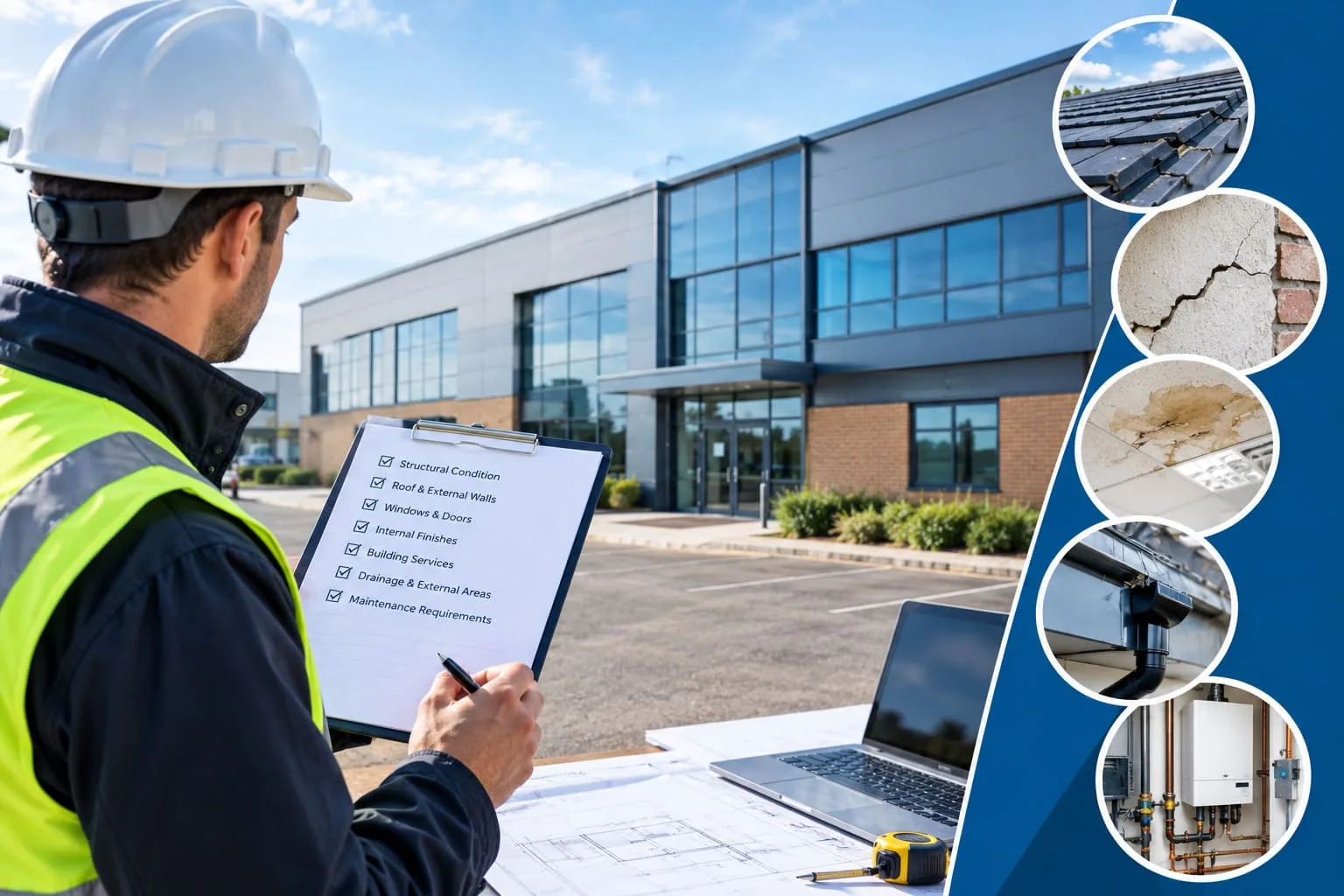
Commercial construction projects require developers to balance financial performance, building functionality, material selection, and long-term environmental impact. One increasingly important consideration is embodied carbon, which represents greenhouse gas emissions associated with producing, transporting, installing, maintaining, and disposing of building materials. Developers who overlook these emissions may miss opportunities to improve project sustainability and reduce material-related environmental impacts. For investors evaluating commercial properties or searching for an office for lease in orange county, understanding sustainable construction practices can also support more informed property decisions. Sustainable architecture firms help developers evaluate building materials, construction methods, and design alternatives that can reduce embodied carbon while maintaining commercial functionality.
What Is Embodied Carbon in Commercial Construction?
Embodied carbon refers to greenhouse gas emissions associated with building materials and construction activities throughout defined stages of a building's life cycle. These emissions can arise from raw material extraction, manufacturing, transportation, construction, maintenance, replacement, and eventual demolition or disposal. Unlike operational carbon, which results from energy consumed during building use, embodied carbon is associated with the physical creation and maintenance of the building itself. Materials such as concrete, steel, aluminum, insulation, and glass can contribute significantly to a commercial project's embodied carbon footprint. Understanding these sources allows developers to identify opportunities for reducing emissions during design, procurement, and construction.
How Is Embodied Carbon Different From Operational Carbon?
Operational carbon relates to emissions generated through heating, cooling, lighting, equipment use, and other activities during building operation. Embodied carbon is associated with the materials and construction processes required to create, maintain, and eventually retire a building. Improvements in energy efficiency can reduce operational emissions, but they do not automatically address the emissions already associated with construction materials. For example, replacing a building with a highly efficient new structure may involve substantial upfront emissions from demolition and new construction. Developers should therefore evaluate both embodied and operational carbon when comparing building design and investment alternatives.
How Do Sustainable Architecture Firms Help Reduce Embodied Carbon?
Sustainable architecture firms integrate environmental performance considerations into building design, material specifications, and construction planning. Their work may involve comparing structural systems, selecting lower-impact materials, and evaluating opportunities to reuse existing building components. Architects can collaborate with engineers, contractors, and developers to assess how design decisions affect greenhouse gas emissions throughout the project life cycle. These assessments help project teams identify practical alternatives that meet structural, functional, and financial requirements. Early coordination is particularly valuable because major design decisions often determine a substantial portion of a building's embodied carbon footprint.
Conducting Whole-Building Life Cycle Assessments
A whole-building life cycle assessment evaluates environmental impacts associated with materials and construction activities across defined stages of a building's life. This process helps architects compare design alternatives using a consistent methodology and clearly established project boundaries. Developers can use the findings to understand which building components contribute most significantly to embodied carbon emissions. For example, an assessment may identify structural concrete, steel framing, or facade systems as major contributors to the project's overall impact. These insights allow design teams to prioritize changes that offer meaningful emissions reductions without compromising essential building requirements.
Selecting Lower-Carbon Construction Materials
Material selection plays an important role in reducing embodied carbon during commercial construction. Architects may evaluate concrete mixes with reduced clinker content, recycled-content steel, responsibly sourced timber, and other products with documented environmental performance. Environmental Product Declarations can provide useful information about the life cycle impacts of specific construction materials. However, comparisons should account for differences in product performance, service life, transportation, and the assessment methods used. Selecting suitable materials requires balancing carbon reduction objectives with safety, durability, availability, and project costs.
Why Should Developers Consider Embodied Carbon During Early Project Planning?
Early project planning provides the greatest opportunity to influence major construction decisions before designs become difficult or expensive to modify. Developers can evaluate structural systems, building dimensions, material quantities, and potential reuse strategies before committing to a specific construction approach. Incorporating embodied carbon considerations during this stage can help avoid unnecessary material consumption and costly redesigns. It also allows project teams to coordinate environmental goals with budget expectations, tenant requirements, and construction schedules. A structured planning process helps developers identify sustainability opportunities while maintaining the commercial viability of their projects.
Reducing Unnecessary Material Consumption
Efficient building design can reduce embodied carbon by limiting the amount of material required to achieve the intended structural and functional performance. Architects and engineers may optimize structural grids, floor spans, and building layouts to reduce unnecessary construction materials. Standardized dimensions and coordinated design details can also help minimize waste during fabrication and installation. However, material reductions must be evaluated carefully to ensure compliance with structural and safety requirements. Thoughtful design optimization can support both environmental performance and construction cost management.
Designing for Future Flexibility
Commercial buildings frequently undergo tenant improvements, interior renovations, and changes in occupancy throughout their useful lives. Buildings designed with adaptable layouts may require fewer extensive alterations when business requirements change. Flexible floor plates, accessible building services, and reusable interior components can help reduce the need for future material replacement. Developers should consider how changing tenant demands could affect renovation frequency and long-term building performance. Designing for adaptability can help reduce future embodied carbon while supporting a property's ongoing commercial usefulness.
Can Renovating Existing Commercial Buildings Reduce Embodied Carbon?
Renovating an existing commercial building can sometimes result in lower upfront embodied carbon emissions than constructing an entirely new facility. Retaining foundations, structural frames, and other serviceable building components may avoid emissions associated with manufacturing replacement materials. However, the environmental benefit depends on the existing building's condition, the extent of required renovations, and its future operational performance. Developers should compare renovation and redevelopment scenarios through appropriate life cycle assessments rather than assuming one approach is always preferable. This evaluation can help determine whether adaptive reuse provides a practical balance between environmental objectives and financial requirements.
Evaluating Existing Office Buildings Before Redevelopment
Investors considering an office building for sale orange county should assess whether the existing structure can support their intended occupancy or redevelopment plans. A building with a sound structural system and adaptable interior layout may offer opportunities for renovation rather than complete replacement. Architects and engineers can evaluate which components can be retained and which require upgrades to meet current requirements. These findings can influence construction budgets, project timelines, and the environmental impact of the proposed improvements. Understanding the existing building's condition helps developers make more informed decisions about renovation and redevelopment.
Preserving Structural Components Where Practical
Structural frames and foundations often represent substantial material investments in commercial construction. Retaining these components can reduce the need for new concrete, steel, and other high-impact materials. However, structural reuse requires professional evaluation of load capacity, deterioration, seismic performance, and compatibility with the proposed building use. Additional strengthening or modifications may be necessary to satisfy applicable codes and performance requirements. Developers should assess these factors before determining whether structural preservation offers a feasible environmental and financial advantage.
How Can Sustainable Construction Influence Orange County Office Property Decisions?
Orange County's commercial property market includes office buildings with varying ages, construction methods, operating costs, and renovation requirements. Investors evaluating Orange County office buildings for sale may benefit from considering how existing building characteristics affect future sustainability improvements. Properties with adaptable layouts and reusable structural elements may provide opportunities to modernize interiors without undertaking extensive reconstruction. However, environmental performance should be evaluated alongside location, occupancy demand, financing conditions, and expected investment returns. A balanced assessment helps buyers determine whether sustainability improvements support their broader property objectives.
Comparing Renovation and New Construction Costs
Developers should evaluate the financial implications of retaining an existing building compared with constructing a replacement facility. Renovation costs may include structural upgrades, building system replacements, accessibility improvements, and interior reconfiguration. New construction may provide greater design flexibility but can involve demolition expenses, longer development timelines, and substantial upfront material requirements. Life cycle cost analysis and embodied carbon assessments can help identify the trade-offs between these alternatives. The most appropriate approach depends on the property's condition, project objectives, and expected long-term performance.
How Can Sustainable Design Affect Office Leasing Decisions?
Businesses selecting office space increasingly consider factors such as energy efficiency, indoor environmental quality, operating expenses, and workplace flexibility. While embodied carbon may not directly determine rental rates, sustainable building improvements can influence a property's long-term competitiveness and appeal to certain tenants. Companies searching for an office for lease in orange county may evaluate whether available spaces support their environmental policies and operational requirements. Landlords can also consider how tenant improvement materials and renovation practices affect the environmental impact of preparing spaces for occupancy. Understanding these factors helps property owners and tenants make more informed decisions about office improvements.
Reducing Embodied Carbon During Tenant Improvements
Tenant improvement projects frequently involve replacing partitions, flooring, ceilings, lighting, and other interior components. These activities can generate material waste and additional embodied carbon, particularly when spaces are renovated repeatedly between tenants. Property owners can reduce unnecessary replacement by retaining serviceable finishes and selecting adaptable interior systems. Reusable partitions, durable materials, and coordinated renovation planning may help limit future construction waste. Sustainable tenant improvement strategies should also consider cost, maintenance requirements, and the practical needs of incoming occupants.
Evaluating Long-Term Building Performance
Commercial tenants often focus on immediate rental expenses, but long-term building performance can influence overall occupancy costs. Efficient building systems, durable materials, and adaptable interiors may reduce certain maintenance and renovation requirements. Property owners should evaluate whether proposed improvements provide measurable benefits over the expected holding period. Environmental assessments can complement financial analysis by identifying opportunities to reduce material consumption and future replacement needs. These considerations support more comprehensive leasing and property investment decisions.
What Role Does Commercial Real Estate Market Analysis Play in Sustainable Development?
Sustainable construction decisions must align with market demand, development feasibility, and the financial expectations of investors. A project with ambitious environmental objectives may still face challenges if construction costs exceed achievable market values or rental income. Professionals familiar with commercial real estate orange county can help developers understand location-specific demand, comparable properties, and investment considerations. This market information can support decisions about building size, property use, tenant requirements, and redevelopment strategies. Combining market analysis with architectural and engineering assessments helps developers balance environmental goals with commercial feasibility.
Understanding Tenant Demand for Sustainable Properties
Tenant interest in sustainable buildings varies by industry, company size, operational requirements, and corporate environmental commitments. Some organizations prioritize energy performance, environmental certifications, and reduced resource consumption when selecting office space. Others may place greater emphasis on location, rental costs, accessibility, and the ability to customize interiors. Developers should evaluate actual tenant demand before assuming that sustainability features will automatically generate higher rents. Market research and tenant engagement can help determine which improvements are most relevant to a property's intended occupants.
How Can Developers Evaluate Sustainable Commercial Properties for Acquisition?
Acquiring a commercial property requires careful consideration of building condition, redevelopment potential, and long-term investment objectives. Investors exploring commercial real estate for sale should assess whether an existing building can accommodate planned sustainability improvements without excessive structural modifications. Due diligence may include reviewing building plans, conducting condition assessments, and consulting architects or engineers about renovation feasibility. Developers can also evaluate the potential embodied carbon implications of major construction alternatives before finalizing acquisition plans. These findings provide additional information for comparing properties and estimating future development costs.
Reviewing Building Materials and Existing Conditions
Older commercial buildings may contain structural systems and materials that remain suitable for continued use. However, their condition and performance must be evaluated before reuse decisions are made. Architects and engineers can identify components that may be retained, upgraded, or replaced as part of a renovation strategy. Material inventories and environmental assessments can also help developers estimate potential waste generation and replacement requirements. This information supports more realistic project planning and helps identify opportunities for reducing unnecessary construction emissions.
How Can Commercial Property Management Support Long-Term Sustainability?
Sustainable design decisions can influence how commercial buildings are maintained, renovated, and adapted throughout their operating lives. Property managers play an important role in coordinating maintenance activities, monitoring building performance, and planning future improvements. Investors researching commercial property management orange county considerations should evaluate how operational decisions affect the service life of building components. Preventive maintenance and planned replacement strategies can help extend the usefulness of certain materials and systems. Coordinating these activities with sustainability objectives may reduce unnecessary renovations and support more efficient long-term asset management.
Extending the Useful Life of Building Components
Replacing building materials before the end of their functional life can increase waste and embodied carbon emissions. Property managers can support material longevity through regular inspections, preventive maintenance, and timely repairs. Durable flooring, facade components, mechanical systems, and interior finishes may remain functional longer when appropriately maintained. Replacement decisions should consider safety, performance, repair costs, and the environmental impact of available alternatives. Extending component life where practical can support both financial efficiency and resource conservation.
Should Developers Buy Owner-User Properties or Investment Properties?
The intended ownership strategy can influence how developers approach sustainable design and embodied carbon reduction. Owner-users may prioritize long-term operational requirements, workplace functionality, and building improvements that support their business activities. Investment property buyers may focus more heavily on tenant demand, rental income, capital expenditures, and future resale opportunities. The resource Should You Buy an Owner-User Property or an Investment Property in Orange County? provides additional context for comparing these acquisition approaches. Understanding the ownership strategy helps developers determine which sustainability investments are most appropriate for the property's expected use.
Aligning Sustainable Design With Investment Objectives
Owner-users may have greater control over building improvements because they can plan renovations around their long-term occupancy needs. Investors managing leased properties must also consider tenant requirements, lease structures, and the timing of capital improvements. Sustainable construction decisions should therefore reflect the expected holding period and the financial benefits associated with proposed upgrades. Life cycle assessments and cost analyses can help compare alternative materials and renovation strategies. Aligning environmental goals with investment objectives supports more practical and financially responsible development decisions.
How Can Developers Measure Embodied Carbon Reduction?
Measuring embodied carbon allows developers to evaluate whether proposed design changes achieve meaningful environmental improvements. Whole-building life cycle assessments can estimate emissions associated with selected materials and construction activities within defined project boundaries. Developers may compare a baseline design with alternative structural systems, material specifications, or renovation strategies. Consistent assumptions and measurement methodologies are essential for producing meaningful comparisons. The results can inform design decisions, procurement requirements, and project sustainability reporting.
Using Environmental Product Declarations
Environmental Product Declarations provide standardized information about the environmental impacts of specific products based on applicable assessment rules. These documents can help project teams evaluate materials such as concrete, insulation, flooring, and structural components. However, comparisons should consider product category rules, declared units, life cycle stages, and performance differences. Architects and contractors should avoid treating individual carbon figures as directly comparable without reviewing the underlying methodology. Careful interpretation helps developers make more reliable material selection decisions.
Establishing Project Carbon Reduction Targets
Developers can establish embodied carbon targets during the early design phase to guide material selection and construction planning. These targets may be expressed as total estimated emissions or emissions per unit of building floor area. Project teams should define the assessment boundaries and measurement methodology before evaluating performance against the target. Regular design reviews can identify whether proposed changes are increasing or reducing estimated emissions. Clear targets and consistent measurement practices help keep sustainability objectives integrated into project decision-making.
How Can Economos DeWolf Support Sustainable Commercial Property Decisions?
Economos DeWolf serves commercial property buyers, sellers, investors, and businesses throughout Orange County and surrounding Southern California markets. The firm's commercial real estate expertise can help clients evaluate property opportunities, market conditions, and acquisition considerations relevant to their investment objectives. Buyers exploring office properties or redevelopment opportunities can benefit from understanding how existing building conditions affect renovation feasibility and long-term asset value. Sustainable architecture and embodied carbon assessments should be performed by appropriately qualified design and engineering professionals as part of a coordinated due diligence process. By combining commercial real estate guidance with specialized technical evaluations, investors can make more informed decisions about properties that may support their financial and sustainability goals.
Make Sustainable Commercial Construction Part of Your Investment Strategy
Reducing embodied carbon requires developers to consider environmental impacts throughout building design, material selection, construction, and renovation planning. Sustainable architecture firms can help identify opportunities to reuse existing structures, optimize material quantities, and evaluate lower-impact construction alternatives. These strategies may also support more efficient resource use and reduce unnecessary replacement costs over a building's useful life. For Orange County investors, incorporating sustainability assessments into property evaluations can provide additional insight into redevelopment potential and long-term investment considerations. A coordinated approach involving commercial real estate professionals, architects, engineers, and contractors can help balance environmental objectives with practical development requirements.
Planning to acquire, lease, or redevelop commercial property in Orange County? Visit Economos DeWolf to explore available opportunities and connect with experienced commercial real estate professionals who can support your property search and investment decisions.