Online stores now use smart technology in ways once thought impossible. Instead of guessing what shoppers might want, computers learn from choices people make. This leads to suggestions that feel less random, more spot on. Customer questions get answered fast, even when no human is around. Decisions about stock or pricing shift based on live data patterns. Retailers who skip these tools often fall behind others moving quicker. The web marketplace changes fast - those adapting survive longer.
Starting out or already known, working alongside a Mohali-based ecommerce app developer could bring smart tech into your system while unlocking more opportunities. What matters grows when tools evolve - AI integration becomes easier through local expertise focused on real results.
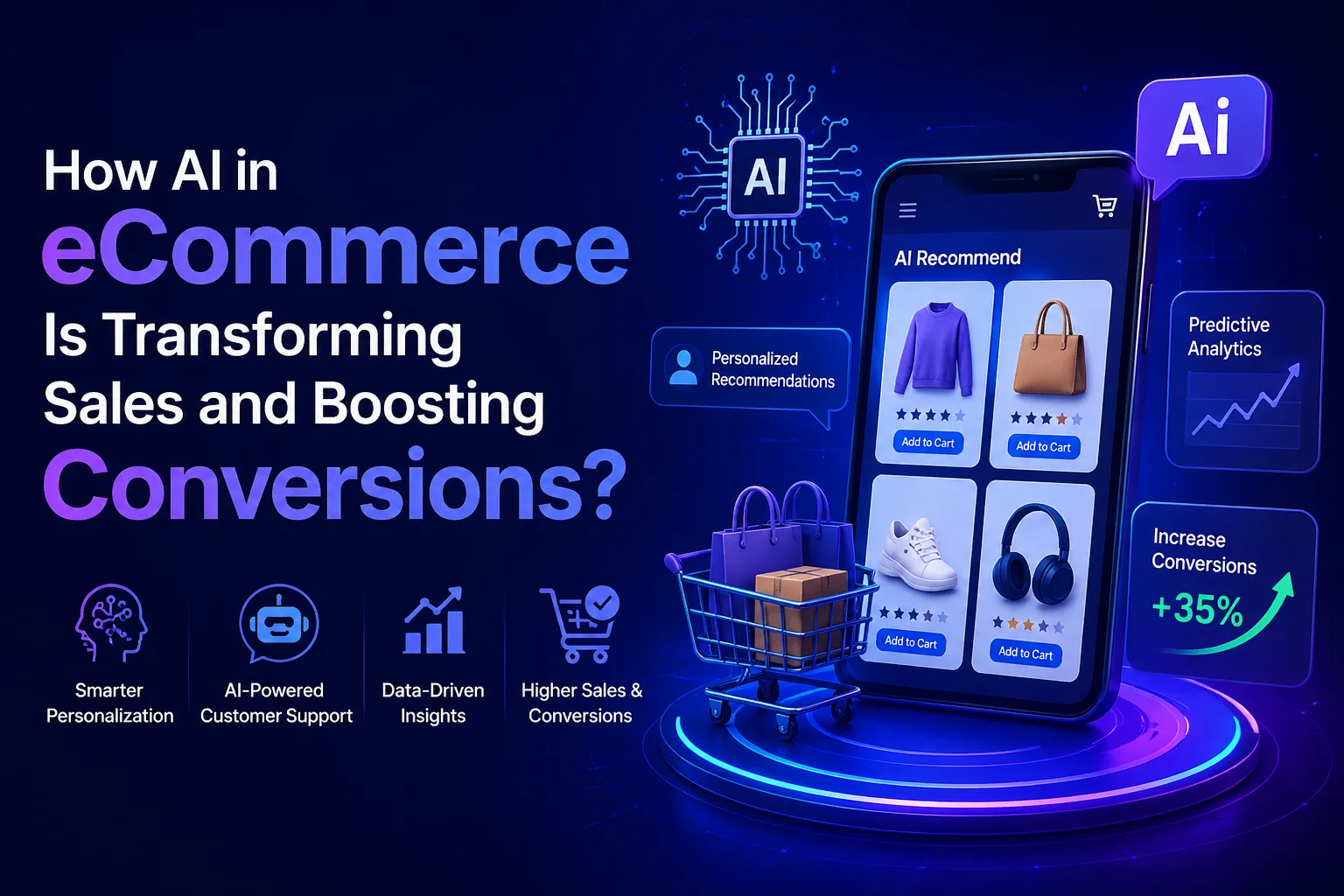
How AI in eCommerce Boosts Sales and Improves Conversions Fast
Shopping online gets smarter when computers learn from user actions. Because patterns emerge, stores spot what people might want next. One moment you’re browsing, the next a suggestion feels oddly right - timing matters. Machines sort through clicks and choices instead of guessing. Predictions come alive when past moves shape future options. Personal touches appear without anyone typing them out. Smarter behind-the-scenes work changes how things show up on screen.
AI Technologies Applied
- Machine Learning (ML)
- Natural Language Processing (NLP)
- Computer Vision
- Predictive Analytics
Working hand in hand, these tools shape online stores that react quicker, think sharper, and learn easier.
AI Changes How People Buy Online
1. Personalized Shopping Experience
Looking at what people browse, buy, or favor helps AI chatbot development suggest items they might like. Instead of guessing, it uses past choices to shape future options. From clicks to cart contents, clues emerge quietly over time. Preferences guide the system without loud announcements. Past actions feed into subtle suggestions later on.
Benefits:
- Increases customer engagement
- Improves conversion rates
- Enhances user satisfaction
Because of smart algorithms, shopping sites such as Amazon suggest items you might like - this boosts what people actually buy. One reason revenue rises is how well these systems learn user habits over time, quietly shaping choices without being obvious.
2. Smart Product Recommendations
Right now, smart systems point people toward items they might like. These tools learn on the fly, adjusting picks as choices unfold. What shows up depends on what you do, moment by moment. Decisions shift based on behavior, quietly guiding each next step.
Types of Recommendations:
- Frequently bought together
- Recently viewed items
- Trending products
Most folks end up buying more when they see a little extra value. That tiny nudge pushes the overall amount spent higher without feeling forced.
3. Chatbots Using AI Help Customers
Every hour of every day, machines answer questions right away. These digital helpers never stop working.
Advantages:
- Reduces response time
- Improves customer satisfaction
- Saves operational costs
From Mohali, a seasoned team builds ecommerce apps that include smart chatbots powered by AI. These helpers inside your app offer smooth assistance without hiccups. Their experience shows in how naturally the technology fits. Support becomes quicker when automated brains guide responses. The integration feels effortless because it is built with care. Advanced tools meet practical design here. Your customers get answers faster than before. Behind the scenes, systems work quietly to keep things running.
4. Dynamic Pricing Strategies
Pricing shifts happen when machines notice what shoppers do, how rivals react, then tweak numbers. A business might raise a price after seeing crowded online carts plus active searches at night. Sometimes cuts follow slow traffic midweek even if ads stay steady. What sells by noon shapes the cost seen later. Machines watch, learn, change without waiting for people.
Example:- Price increases during high demand
- Discounts for hesitant buyers
- Finding that balance keeps profits high without losing ground to rivals.
Ai Helps Increase Sales
1. Predictive Analytics
AI predicts customer behavior and buying intent.
How it Helps:- Identifies potential buyers
- Reduces cart abandonment
- Improves marketing strategies
Right timing meets precise customers when companies present suitable deals. Offers land well if they match who sees them, and when. Spot-on messaging finds people ready to respond.
2. Visual Search Technology
Pictures help shoppers find items without typing a word. Sometimes, seeing works better than describing. A snapshot replaces long searches. Looking becomes easier when words fall short.
Benefits:- Faster product discovery
- Improved user experience
- Higher engagement
Besides clothing, you’ll often spot it in living room designs too.
3. Voice Search Optimization
Now comes a shift - voice helpers let people buy things by speaking. Machines understand words, making purchases happen through talk.
Impact:- Simplifies search process
- Enhances accessibility
- Increases mobile conversions
4. Fraud Detection and Security
Fraud gets caught fast when unusual behavior shows up. Real-time alerts kick in the moment something feels off. Suspicious patterns? They’re flagged before harm spreads. Systems respond instantly - no waiting. Detection sharpens as activity unfolds. Alerts rise only when needed. Quiet moments stay quiet. Risk fades when timing is everything.
Key Features:- Secure transactions
- Reduced chargebacks
- Increased customer trust
Artificial Intelligence Used in Marketing and Talking With Customers
1. Automated Email Marketing
When users act a certain way, messages show up that fit what they do. Machines notice patterns, then adjust what gets sent out.
Examples:- Cart abandonment emails
- Product recommendations
- Seasonal offers
2. Customer Segmentation
- AI divides customers into groups based on:
- Interests
- Behavior
- Purchase history
Besides helping firms reach specific audiences, it shapes how promotions are built.
3. Social Media Insights
Patterns on social platforms get studied by artificial intelligence systems. Customer feelings are spotted through automated reading of posts.
Benefits:- Better content strategy
- Improved engagement
- Higher brand visibility
- How AI Changes Online Shopping
Increased Sales
Purchases grow when firms get their buyers clearer, thanks to artificial intelligence.
Improved Customer Experience
When things feel made just for you, plus tasks run on their own, people tend to enjoy them more.
Cost Efficiency
Machines handle tasks once done by people, cutting down expenses. Costs drop when routine work runs without human help.
Data-Driven Decisions
Decisions often improve when guided by what machines reveal. Insights emerge differently once patterns start showing up on their own.
Problems Using AI in Online Shopping
High Initial Investment
Spending on tech upgrades often hits smaller shops hard. Some find fitting smart tools into daily work adds up fast. Not every team has room in the budget for new systems that promise speed but need cash first.
Data Privacy Concerns
Facing customer information means serious safeguards come into play. Security steps must hold firm whenever personal details are involved.
Technical Complexity
Running AI systems means someone who knows what they’re doing must keep them going. Without steady attention, things start to slip.
Because of this, working alongside a trustworthy ecommerce app builder in Mohali makes setup go without problems.
AI in online shopping ahead
Soon, artificial intelligence will likely grow far beyond today's capabilities. How fast it changes might surprise many who watch closely.
- Upcoming Trends:
- Hyper-personalization
- AI-powered video shopping
- Augmented Reality (AR) integration
- Advanced predictive analytics
Early moves into AI give some companies an edge others lack. When firms start using smart tools now, they outpace those waiting. Getting ahead means staying ahead - momentum matters more than size sometimes.
Businesses Investing in AI Today
Keep Moving Forward
Finding ways to shine gets easier when machines learn your business. A smart tool can spot chances others miss.
Improve Customer Retention
Personalized experiences keep customers coming back.
Boost ROI
Faster outcomes come through smart systems cutting expenses. While machines learn, spending drops behind the scenes.
Working alongside a skilled ecommerce app development company in Mohali helps your AI work well today - also prepares it for what comes next. Not every firm gets this balance right, but the right partner makes it look quiet, steady, effortless.
Using AI in Online Stores
Identify What Your Business Needs
Determine Where AI Can Add Value
Customer service
Marketing
Inventory management
Choose Appropriate Technology
Pick what fits your aim - software, apps, maybe something else. Whatever moves you forward works.
Work With Skilled People
A partnership with a reliable ecommerce app developer in Mohali brings AI integration within reach. Their experience guides the building process smoothly forward. Solutions take shape through close collaboration and clear goals. Technology fits naturally into existing workflows here. Progress moves step by step, grounded in real needs. Expertise makes complex tasks feel simpler over time.
Watch and Adjust
Watch how things run, then tweak the models to get better results. From there, small changes add up over time.
Conclusion
These days, e-commerce can’t thrive without AI - it’s essential. What once felt optional now powers real growth in crowded markets. Personalized shopping moments come alive through smart systems working behind the scenes. Instead of guessing what buyers want, companies now rely on pattern-based insights. Customer interactions shift quietly, shaped by learning algorithms adapting in real time. Conversions rise when responses feel natural, almost intuitive. Growth follows where technology meets behavior - without force or noise.
Starting fresh with smart tools opens doors. A skilled team in Mohali helps shape that start well. Instead of guessing, real results come through clear steps forward. Growth shows up in how people connect and buy. Progress grows when tech meets thoughtful effort.
Whoever welcomes change will shape what comes next in online shopping. Right now offers a chance to weave smart technology into how you operate, moving your store forward in new ways.