
A retreat gives people the opportunity to step away from familiar routines and spend meaningful time focusing on connection, creativity, wellness, or personal growth. While the activities planned by a retreat leader are important, the setting can have an equally significant influence on how guests experience their time away.
A peaceful rural property can provide more than comfortable accommodations. Fields, forests, gardens, shared gathering areas, and thoughtfully prepared meals can all become part of the retreat itself. When these elements come together, participants can experience a slower pace that feels distinctly different from everyday life.
For facilitators searching for a retreat center in maine, considering the relationship between the venue, food, nature, and group activities can help create a more cohesive experience. A setting such as Casa Portal Retreats can provide a farm-based environment where these elements naturally complement one another.
What Makes a Retreat Setting Feel Special?
A retreat venue should support the purpose of the gathering rather than simply provide a place for guests to sleep.
For a wellness retreat, that could mean having peaceful outdoor areas for reflection and movement. A creative retreat might benefit from quiet spaces, natural surroundings, and communal areas where participants can exchange ideas. A leadership or professional retreat may require flexible meeting spaces alongside opportunities for informal conversation.
The environment can also influence the transitions between scheduled activities. Walking from a workshop to a garden, sitting outdoors after lunch, or taking a quiet forest walk can give participants time to process what they have learned.
These moments may not appear on a formal itinerary, but they can contribute significantly to the overall atmosphere.
Bringing Nature Into the Retreat
One advantage of a rural Maine setting is the opportunity to make the surrounding landscape part of the program.
Instead of keeping every activity indoors, facilitators can incorporate outdoor walks, journaling, meditation, nature observation, gentle movement, or simply periods of quiet.
Natural surroundings can also provide useful breaks between intensive sessions. Participants can step outside, breathe fresh air, and return to the next activity feeling refreshed.
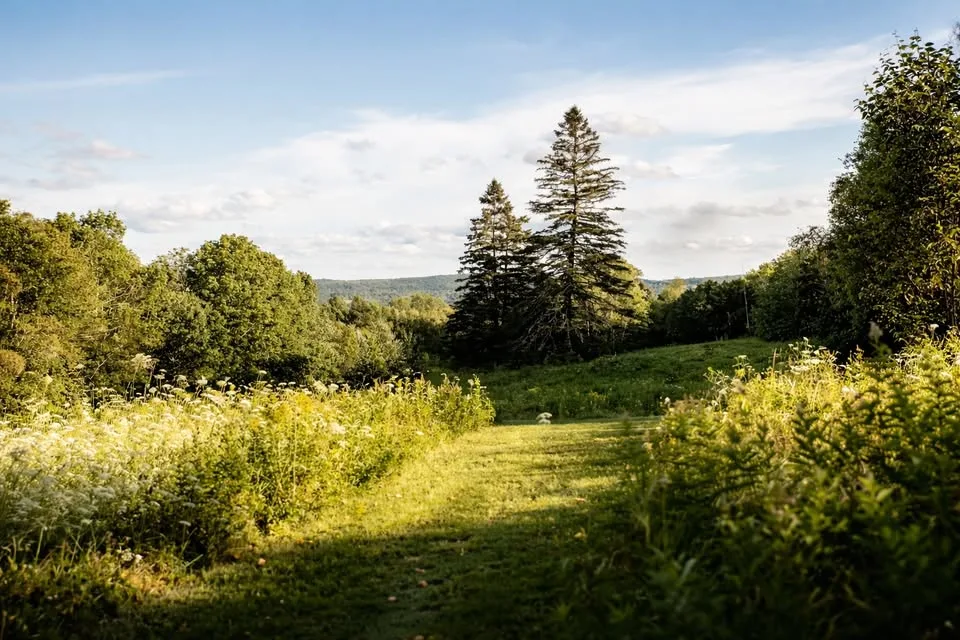
At Casa Portal Retreats, the farm environment includes meadows, woods, gardens, and outdoor areas that can complement different retreat formats. The property is designed around small-group experiences where the land itself can become part of the gathering.
Making Food Part of the Retreat
Food has a unique ability to bring people together. A shared breakfast can create casual conversation before the day's activities begin, while dinner can provide a natural opportunity for participants to reflect on the day.
Rather than treating meals as simply another logistical requirement, retreat leaders can incorporate food into the experience.
A farm to table experience can add a stronger connection between guests and the place they are visiting. Seasonal ingredients, locally sourced foods, and thoughtfully prepared meals can introduce participants to the agricultural character of the region while creating memorable shared moments.
For some retreats, meals can even become opportunities for education or conversation. Guests might learn about seasonal produce, discuss local food traditions, or simply enjoy a meal together without the distractions of their normal routines.
Why Shared Meals Encourage Connection
People often connect naturally when they sit around a table.
Unlike formal workshops, meals do not always require participants to focus on a particular topic. Conversations can develop organically, allowing guests to learn more about one another.
For retreat facilitators, this can be especially valuable when participants arrive as strangers. A relaxed meal can help break down barriers and encourage a sense of community.
Shared dining can also create a consistent rhythm throughout the retreat. Breakfast can signal the beginning of the day, lunch can provide a transition between activities, and dinner can bring everyone together before an evening session or quiet time.
Designing a Balanced Retreat Schedule
A meaningful retreat does not need to fill every hour.
When planning an itinerary, consider balancing structured activities with opportunities for rest and exploration. Too many scheduled sessions can make a retreat feel like another busy workweek.
A balanced day might include a morning group session, shared breakfast, a workshop, lunch, several hours of open time, an afternoon activity, and a communal dinner.
The open periods are important. Participants may use them to walk, read, rest, journal, talk with another guest, or simply enjoy the surroundings.
This flexibility allows people to experience the retreat in their own way.
Selecting Spaces for Different Activities
Different retreat activities require different environments.
A movement-based gathering may need an open studio, while a discussion-based workshop might work better around a table. Outdoor activities may benefit from access to fields, gardens, trails, or covered spaces.
When evaluating a venue, consider how many distinct areas are available and how easily participants can move between them.
It can also be helpful to have indoor alternatives for outdoor activities. Weather can change quickly, and having flexible spaces allows facilitators to adjust their schedule without disrupting the entire retreat.
Keeping the Group Experience Personal
Group size can influence the atmosphere of a retreat.
Smaller groups often make it easier for participants to interact with one another and for facilitators to create personalized experiences. Shared meals, group discussions, and informal activities can feel more intimate when everyone has opportunities to participate.
A private retreat environment can also help participants feel separated from the distractions of larger public spaces.
For facilitators, this can make it easier to establish a consistent atmosphere throughout the gathering.
Choosing a Maine Retreat With Intention
When comparing venues, it helps to create a checklist based on the needs of your retreat.
Consider questions such as:
- How many guests can the property comfortably accommodate?
- Are there indoor and outdoor gathering spaces?
- What meal options are available?
- Can dietary requirements be accommodated?
- Is there access to nature?
- Can the venue support your planned activities?
- How much private or unstructured time can guests enjoy?
- Does the overall environment match the purpose of your retreat?
Thinking through these details before booking can help prevent logistical challenges later.
The ideal venue is not necessarily the one with the longest list of amenities. It is the one where the available spaces, food, surroundings, and atmosphere align with what you want participants to experience.
Creating Lasting Memories
A retreat can be remembered for many reasons. Guests may remember an insightful conversation, a peaceful morning walk, a creative breakthrough, or a meal shared with new friends.
These moments often happen outside formal programming.
A beautiful natural environment gives participants opportunities to create their own memories. A thoughtfully prepared meal can become a shared highlight. A quiet outdoor space can give someone the solitude they needed.
When planning a retreat, therefore, it is worth considering the entire guest journey rather than focusing only on the main sessions.
Conclusion
A retreat becomes more memorable when the setting supports the experience rather than simply housing it. Nature, shared meals, comfortable gathering spaces, and opportunities for quiet time can all contribute to a meaningful stay.
For facilitators planning a retreat in Maine, a farm-based environment can offer an especially distinctive combination of rural surroundings and community-focused experiences. By thoughtfully connecting the venue, schedule, food, and landscape, retreat leaders can create an environment where participants have space to learn, connect, recharge, and enjoy a genuine change of pace.
Casa Portal Retreats offers a farm-based setting in Maine where retreats can incorporate nature, shared meals, comfortable spaces, and the relaxed rhythm of rural surroundings into the overall guest experience.
Frequently Asked Questions
What should I look for in a Maine retreat venue?
Consider accommodations, gathering spaces, group capacity, meal services, outdoor areas, location, seasonal conditions, and whether the venue fits the purpose and style of your retreat.
What does farm-to-table mean for a retreat?
Farm-to-table generally refers to food prepared using ingredients sourced directly or relatively locally from farms and producers. At a retreat, it can help connect guests with the region's food culture and seasonal offerings.
Can food become part of a retreat activity?
Yes. Shared meals can encourage conversation and community, while cooking demonstrations, discussions about seasonal ingredients, or farm-related activities can make food an intentional part of the retreat.
How much free time should a retreat schedule include?
There is no universal amount. The appropriate balance depends on the retreat's purpose and participants. Including some unstructured time can give guests opportunities to rest, reflect, explore, and connect informally.
Why is the natural setting important for a retreat?
Nature can provide a change of scenery and opportunities for outdoor activities, quiet reflection, and relaxation. It can also create natural transitions between structured sessions.