
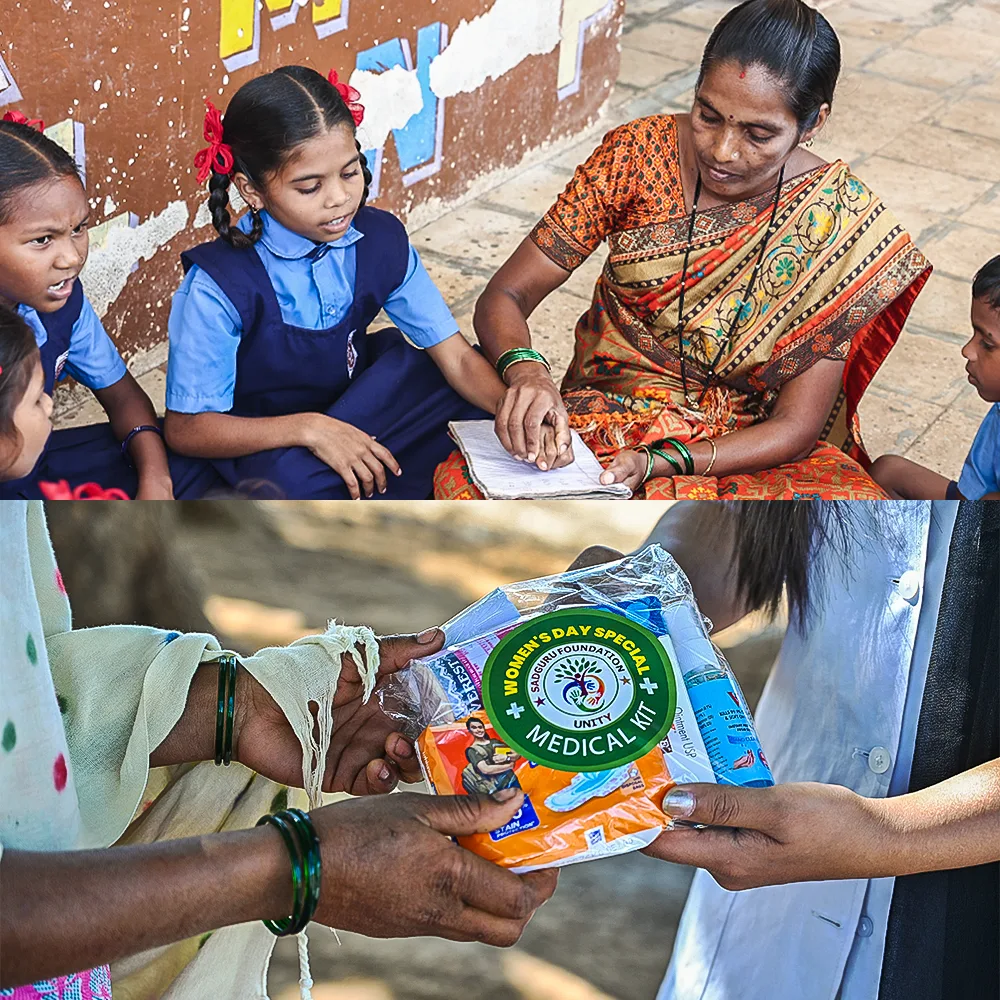
In today’s interconnected world, a charitable organization plays a critical role in shaping inclusive, resilient, and socially responsible communities. Beyond financial aid or donations, these organizations create structured platforms where individuals and groups can actively participate in social change. One of the most impactful ways they do this is by offering community volunteer opportunities that empower people to contribute their time, skills, and energy toward meaningful causes.
A charitable organization not only addresses social challenges but also bridges the gap between intent and action by connecting willing volunteers with real community needs. These opportunities are essential for fostering empathy, collaboration, and long-term societal development.
Understanding Community Volunteer Opportunities
Community volunteer opportunities refer to organized activities where individuals contribute their efforts to support social, environmental, or humanitarian causes. These can range from teaching underprivileged children and assisting in healthcare camps to participating in environmental clean-ups or skill development programs.
Such opportunities are designed to be inclusive, allowing people from diverse backgrounds—students, professionals, retirees, and even corporate teams—to participate. The structured nature of these programs ensures that volunteer efforts are aligned with actual community requirements, maximizing impact.
Why Volunteer Engagement Matters
Volunteer engagement is more than just an act of goodwill. It creates a ripple effect that benefits both the community and the individual. For communities, it brings additional manpower, fresh perspectives, and often specialized skills that may otherwise be inaccessible. For volunteers, it offers a sense of purpose, personal growth, and exposure to real-world challenges.
Moreover, volunteerism helps build stronger social networks. When individuals collaborate toward a shared goal, it fosters trust, teamwork, and a sense of belonging. These intangible benefits are crucial for building cohesive societies.
Role of Structured Programs in Driving Impact
A well-organized charitable initiative ensures that volunteer contributions are not random but strategically planned. This involves identifying key problem areas, designing intervention programs, and assigning roles based on volunteer capabilities.
For example, educational initiatives may require volunteers with teaching skills, while healthcare outreach programs may need medical professionals or logistical support teams. By aligning volunteer strengths with specific needs, organizations can ensure efficient and measurable outcomes.
Additionally, structured programs often include orientation sessions, training modules, and feedback mechanisms. This not only enhances the effectiveness of volunteers but also ensures sustainability of the initiatives.
Skill-Based Volunteering: A Growing Trend
One of the most significant shifts in recent years is the rise of skill-based volunteering. Instead of general participation, volunteers now contribute specialized expertise such as digital marketing, financial planning, legal advisory, or technology support.
This approach enhances the quality of impact while also providing volunteers with an opportunity to apply their professional skills in a socially meaningful context. It creates a win-win situation where communities receive high-quality support, and volunteers gain valuable experience.
Such models are particularly effective in collaborative environments where diverse stakeholders come together to address complex challenges.
Encouraging Global Collaboration
As the world becomes more interconnected, there is increasing scope for cross-border collaboration in volunteer initiatives. Individuals and organizations from different regions can work together, share knowledge, and implement best practices across communities.
While the primary focus remains on local impact, these collaborations bring a global perspective that enhances innovation and scalability. Volunteers gain exposure to different cultures and problem-solving approaches, making the experience more enriching.
This collaborative mindset also opens doors for long-term partnerships, knowledge exchange, and resource optimization without the need for aggressive promotion or formal frameworks.
How to Get Involved
Getting involved in community volunteer opportunities is easier than ever. Many organizations provide flexible options, including:
- Short-term projects for immediate impact
- Long-term programs for sustained engagement
- Remote volunteering opportunities for global participation
- Skill-based roles aligned with professional expertise
Before joining, it is important to assess your interests, availability, and skill set. Choosing the right opportunity ensures a more fulfilling and impactful experience.
The Long-Term Impact of Volunteerism
Consistent volunteer engagement leads to long-term societal transformation. It helps address systemic issues such as education gaps, healthcare access, and environmental sustainability. More importantly, it nurtures a culture of responsibility and compassion.
When individuals actively participate in community development, they become stakeholders in societal progress rather than passive observers. This shift in mindset is essential for building a sustainable future.
Conclusion
A well-functioning charitable ecosystem thrives on active participation, and community volunteer opportunities serve as its backbone. By connecting individuals with meaningful causes, these initiatives create a powerful platform for change.
Whether through hands-on involvement or skill-based contributions, volunteering enables individuals to make a tangible difference while also growing personally and professionally. As more people step forward to contribute, the collective impact can drive lasting transformation across communities worldwide.