Scroll any feed long enough and you will see a new must have exterior finish, a viral porch color, or a window style that supposedly transforms everything. Some of those ideas are lovely. Few of them should outrank a soft fascia, a stained attic bay, or a door that leaks air all winter. Condition based decisions sound less exciting than trend based ones. They are how houses in Delaware, Pennsylvania, New Jersey, and Maryland stay dry through nor easters, freeze thaw, and humid summers.
Quality Roofs & Exteriors is a locally owned Delaware company with more than 25 years helping homeowners sort wish lists from need lists. A crew of more than 20 handles roofing, siding, windows, doors, gutters, decks, patios, and additions. Licensed and insured work still needs a ranking system. That system should start with water, structure, and openings, then move to comfort and appearance.
Build a condition map before a style board
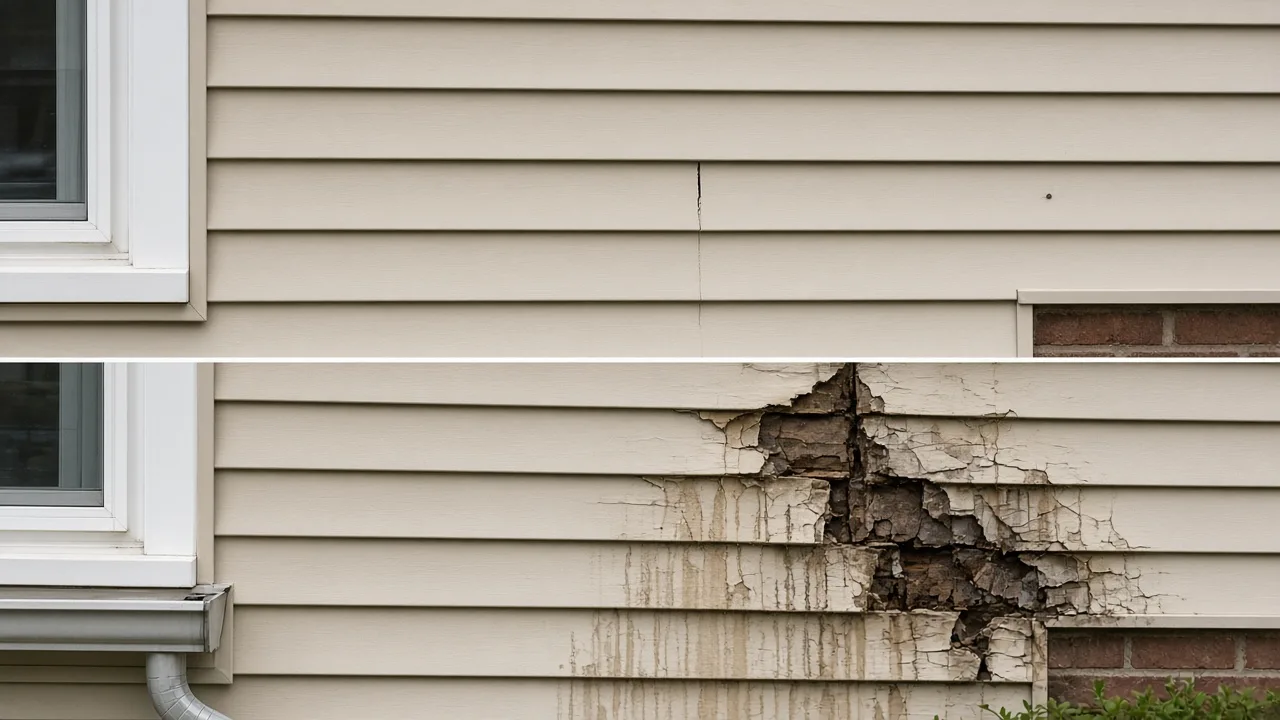
Walk the property with a notebook and separate what is failing, what is aging, and what is merely dated. Failing means active leaks, soft wood, loose railings, or openings that no longer close. Aging means worn shingles, chalking siding, fogged glass, or gutters that overflow but have not yet ruined fascia. Dated means color, hardware, or layout preferences. Trends live mostly in the dated column. Budgets that reverse those columns pay twice when the pretty project sits under a system that was already finished.
Photograph each issue with a date. Recurring stains after storms jump the queue. Single cosmetic chips can wait. Mid-Atlantic weather makes moisture the tie breaker. If two projects cost similar amounts and only one stops water, condition has already voted.
Roofs and walls set the ceiling for everything else
New windows in rotten openings are a trend decision wearing practical clothing. New paint on siding that cups and holds moisture is the same mistake. Secure the roof edge, flashings, and drainage first when they show failure. Then walls and openings. Outdoor living and cosmetic upgrades belong after the envelope can be trusted. That order is not anti design. It is how design lasts.
Trends that still earn a place
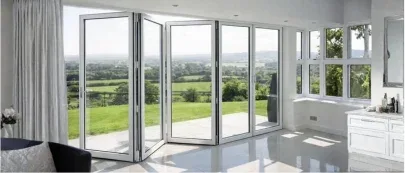
Some trends align with condition. Higher quality underlayments, better ventilated roofs, tighter door weatherstripping, and continuous flashing details improve performance even when they also look current. Energy minded window upgrades can reduce drafts in older New Castle County homes when openings are prepared correctly. The test is simple. Does the choice solve a measured problem, or does it only chase a photograph?
Color trends deserve special caution. Dark roofs and dark siding can look sharp and also run hotter in full sun, which may matter on west facing walls with marginal ventilation. Bright door colors are low risk when the slab, hinges, and seals are sound. Swap colors freely once the door itself is competent.
How to talk with contractors without getting sold a lookbook
Bring your condition map to every meeting. Ask each bidder to respond to the failing and aging lists before proposing finishes. Request photos of similar Mid-Atlantic jobs that show flashings and tie ins, not only finished curb appeal. Locally owned teams that have worked through many Delaware winters usually lead with moisture details. Sales pitches that skip inspection language and jump to package upgrades are trend engines.
Compare scopes line by line. A cheaper bid that omits underlayment upgrades or proper step flashing is not a bargain if your condition map already flagged those joints. Honest limits include saying a trendy cladding is wrong for a shaded, damp elevation, or that an addition idea should wait until the roof is replaced. Contractors who voice limits are often safer partners than those who agree with every magazine page.
Sequence money the same way you sequence trades
Reserve contingency for discoveries behind siding and under shingles. Older homes hide soft sheathing. Spending every dollar on premium visible materials leaves nothing for the plywood you did not know was wet. Condition based planning expects surprises and still finishes the weatherproofing.
Over a multi year horizon, you can still enjoy design. Replace the roof with a color you like after you confirm ventilation and decking. Choose siding texture that suits the neighborhood after flashings are detailed. Add the patio after downspouts have a home. Trends become enjoyable when they ride on a dry structure rather than hiding a tired one.
Families who adopt this habit sleep better during storm weeks. They know the urgent list is short because they already cleared it. The style list can wait for a calm season. That calm is the real upgrade Mid-Atlantic homes need most.
Neighborhood context without trend pressure
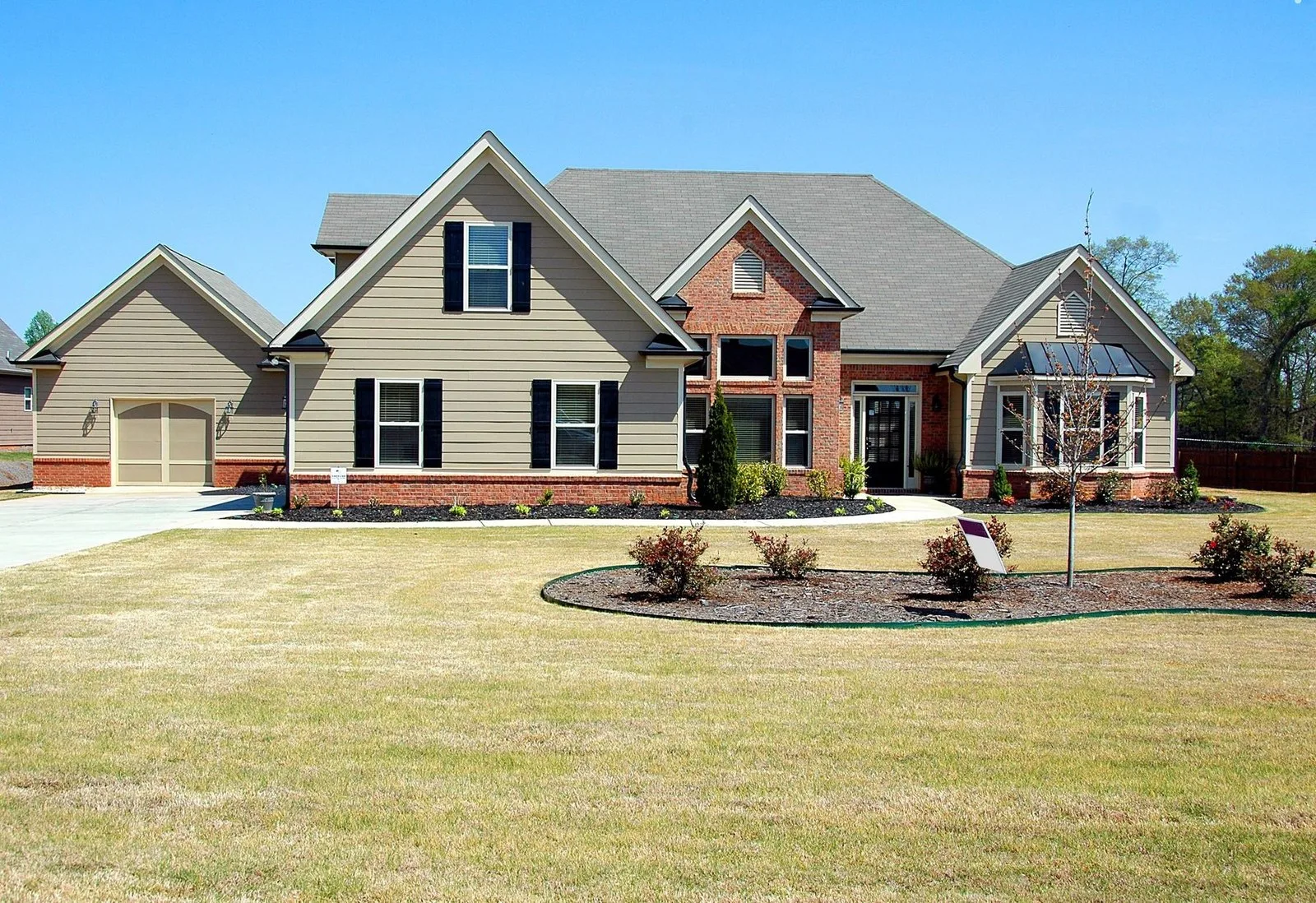
In places like Newark, Wilmington, and the quieter streets of New Castle County, resale still favors houses that look cared for rather than houses that chase every exterior fad. Matching neighboring roof pitches and window proportions often ages better than a dramatic cladding swap that fights the block. Condition based choices can still improve curb appeal. They do it by fixing sagging gutters, stained siding, and tired doors that buyers notice immediately, without requiring a style reinvention.
HOA rules and historic review areas add another filter. A trendy material that cannot pass review wastes months. Confirm constraints early so your condition list and your allowed palette stay aligned. Patience here prevents buying samples you will never be allowed to install.
Keep a living document that updates after each season. When a new stain appears, add it. When a project finishes, archive photos and warranties. Trends fade from memory. Condition records keep paying you back when the next decision arrives on a wet Tuesday.
If you want help turning a condition map into a sequenced exterior plan, explore home exterior improvement services with Quality Roofs & Exteriors and let performance lead the next decision.