
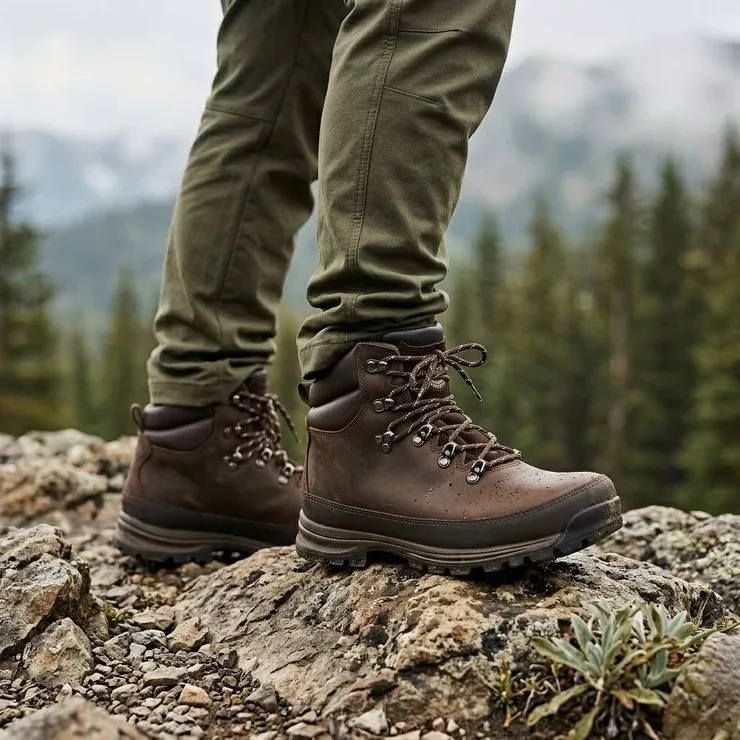
A good pair of hiking boots can make all the difference, whether you're heading into the hills for a weekend trek or simply enjoy long walks in the countryside. The right footwear provides support, protects your feet, and helps you stay comfortable across different terrains and weather conditions. With so many options available, it's worth looking beyond appearance to understand what really matters before you buy.
What to look for in hiking boots for men
The best hiking boots for men balance durability, comfort, and practicality. Start by considering where you plan to walk. A boot designed for steep, rocky trails may be unnecessarily rigid for gentle woodland paths, while lightweight footwear intended for easy walks might not provide enough support on challenging terrain.
Look closely at the outsole. A well-designed tread can improve grip on loose gravel, muddy paths, and uneven ground. Deep lugs may be useful on softer terrain, although no sole can guarantee traction on every surface, particularly wet rock.
The upper material matters, too. Leather is a popular option because it can be durable and may soften with wear. Synthetic materials often offer lower weight and can dry more quickly, depending on their construction. Neither is automatically better; your usual routes, maintenance preferences and budget should guide the choice.
Ankle height is another consideration. Higher boots can offer useful coverage and support for some walkers, particularly on uneven ground, but they are not a substitute for good fit, sensible pacing and careful foot placement.
Are waterproof walking boots for men worth it?
British weather can change quickly, making waterproof walking boots for men a sensible option for anyone who regularly walks in wet conditions.
Waterproof designs typically use a membrane or treated construction to limit water entering the boot. Breathability is equally important: if moisture from perspiration cannot escape effectively, feet can become damp even when rain stays outside.
Think about your usual environment. For muddy trails, wet grass and unpredictable showers, waterproof footwear can provide valuable protection. For warm-weather walks on dry paths, a lighter, more breathable boot may feel more comfortable.
Check the manufacturer's care instructions before applying waterproofing products. Some treatments are suitable for particular leather or synthetic finishes but may affect others. Waterproof footwear also needs maintenance, and prolonged immersion can overwhelm even well-designed boots.
Hiking boots or men's leather walking shoes?
Not every walk calls for a substantial boot. Men's leather walking shoes can be a practical alternative for everyday strolls, travel, dog walking and relatively easy countryside routes.
Their lower profile often makes them easier to wear with everyday clothing, and some designs feel less restrictive than traditional hiking boots. Leather uppers can also offer a smart, versatile appearance that works beyond the trail.
The trade-off is protection. Walking shoes generally provide less ankle coverage, and their soles may not be designed for steep, muddy, or rocky terrain. Some are highly capable, but the product specifications matter more than the label.
A useful rule is to match the footwear to the most demanding conditions you expect to encounter. If your plans regularly involve uneven ground, heavier loads, or long routes in poor weather, hiking boots may be the more appropriate choice.
For those comparing outdoor footwear options, Northwest Territory is one brand to explore when researching styles for walking and outdoor use.
Finding the right fit
Even excellent boots will disappoint if they do not fit properly. Try them on with the socks you intend to wear while walking, ideally later in the day when your feet may be slightly swollen.
Your toes should have enough room to move, particularly on downhill sections, when feet can slide forwards. At the same time, the heel should feel secure rather than lifting excessively with each step.
Walk around before deciding. Notice any pressure across the instep, rubbing at the heel or pinching around the toes. Do not assume painful footwear will inevitably become comfortable after a few outings.
If buying online, check the sizing guidance and returns policy carefully. Fit can vary between brands and models, so your usual shoe size is only a starting point.
Caring for hiking boots
Regular maintenance helps preserve both comfort and performance. After a muddy walk, remove loose dirt with a suitable brush and allow the boots to dry naturally in a ventilated space. Avoid placing them directly against a radiator, as intense heat can damage leather, adhesives, and other materials.
Inspect the outsole for worn tread and check the upper, seams and fastening system for damage. Clean and condition leather when appropriate, following the manufacturer's recommendations. Reapply a suitable water-repellent treatment if the product instructions call for it.
A little attention after each walk can prevent dirt build-up and help you spot wear before it becomes a problem.
Ultimately, the best hiking boots for men are those suited to the terrain, weather and distance you actually walk. Prioritise fit, dependable grip and appropriate protection over unnecessary features. Whether you choose rugged boots or men's leather walking shoes, the right footwear should keep you comfortable, supported and ready to enjoy the journey.
FAQ
Are hiking boots always waterproof?
No. Some are waterproof, while others prioritise breathability and low weight. Check the product specifications before buying.
How often should I replace hiking boots?
There is no fixed timetable. Replace them when the tread, support or waterproofing has deteriorated significantly, or when damage affects their performance.
Can I wear hiking boots for everyday walking?
Yes. Lightweight, comfortable designs can work well for everyday use, although they may feel heavier or warmer than ordinary walking shoes.
What's the difference between hiking boots and walking shoes?
Hiking boots usually offer a higher cut and may provide more coverage and support for demanding terrain. Walking shoes are generally lower-cut and can suit easier routes and everyday activities.