Introduction: The Rising Tide of Gas Prices in Kentucky
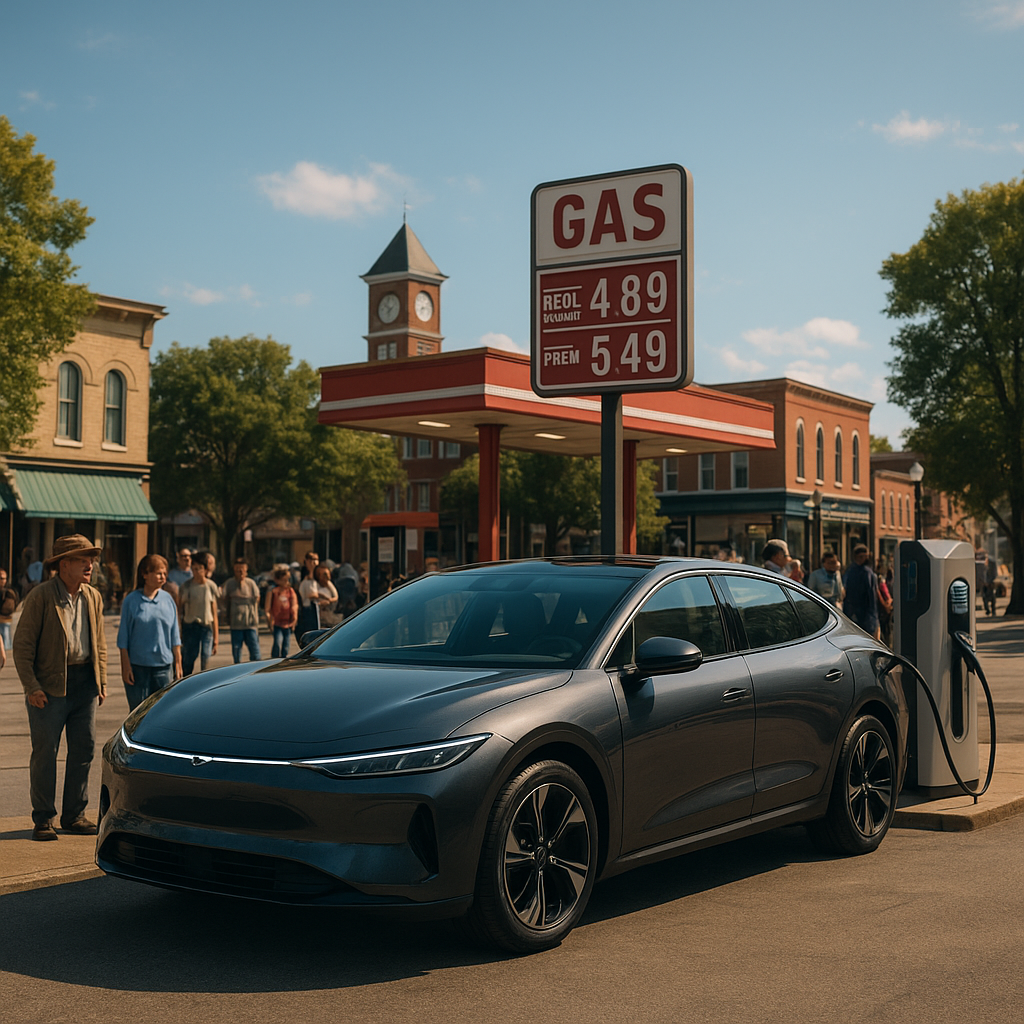
In recent months, Kentucky residents have experienced a noticeable surge in gasoline prices, a trend that has reignited widespread interest in electric vehicles (EVs) across the state. This renewed enthusiasm comes amid broader national and global economic shifts, including supply chain disruptions and geopolitical tensions that have heavily influenced the oil market. For many Kentuckians, the escalating cost of fueling traditional gasoline-powered cars has not only strained household budgets but also sparked a serious reconsideration of transportation alternatives.
As gas prices soar, the financial calculus for vehicle ownership is shifting dramatically. No longer is the choice to purchase an electric vehicle viewed simply as an environmental statement or a niche interest—it is becoming a practical and economically sensible decision for many drivers. This article explores the multifaceted factors behind this renewed interest, delves into Kentucky’s unique position in the transition to electric mobility, and examines the infrastructural, economic, and social implications of this shift.
Historical Context: Kentucky's Relationship with Fossil Fuels and Transportation
Kentucky has long been a state intertwined with fossil fuel industries, particularly coal mining, and has historically benefited from its natural resources. This background has shaped transportation habits, with gasoline-powered vehicles dominating the roads for decades. However, the state has also witnessed gradual changes in energy consumption patterns, influenced by national trends and evolving environmental policies.
Despite Kentucky's traditional reliance on fossil fuels, the last decade has seen incremental growth in EV adoption, spurred by federal incentives, advances in battery technology, and better public awareness of climate issues. Yet, the pace was moderate compared to coastal states where policy and infrastructure investments were more aggressive. The recent spike in gas prices now acts as a catalyst, potentially accelerating Kentucky’s transition to electric mobility.
The Current Surge: How Gas Prices Are Driving Change
As of April 2026, the average price of gasoline in Kentucky has climbed to levels not seen in over a decade. This increase is attributed to a confluence of factors, including lingering supply chain challenges post-pandemic, international conflicts affecting oil exports, and shifts in market demand. For many residents, these high costs have transformed the economics of vehicle ownership, especially for daily commuters and those covering long distances.
In response, consumers are actively seeking alternatives that promise long-term savings and stability. Electric vehicles, with their potential for lower operational costs and exemption from fluctuating gasoline prices, have become increasingly attractive. Local dealerships report a marked uptick in inquiries and test drives, while online searches for EV models and incentives have surged.
“The price of gas has become unsustainable for many families. Switching to an electric vehicle is no longer just about reducing emissions—it’s about taking control of transportation expenses,” says Laura Jenkins, an automotive analyst based in Louisville.
Economic Incentives and Government Initiatives Supporting EV Adoption
Kentucky state and local governments, alongside federal programs, have introduced an array of incentives to encourage EV adoption. These include tax credits, rebates on new electric vehicle purchases, and grants for installing home charging stations. Additionally, Kentucky is investing in expanding public charging infrastructure, particularly in urban centers and along major highways.
These efforts aim to reduce barriers to ownership, such as the upfront cost of EVs and concerns about charging accessibility. The state’s approach combines financial support with infrastructural development, fostering an environment conducive to sustainable transportation.
Federal Support and Its Impact
Federal programs remain a critical component of Kentucky’s EV momentum. The Inflation Reduction Act of 2022, for instance, provided substantial tax credits for EV buyers nationwide, including Kentuckians. Moreover, funding allocated for grid modernization and charging infrastructure development has enabled local utilities and municipalities to accelerate projects.
However, some challenges remain, including ensuring equitable access to these benefits across urban and rural areas. Kentucky’s rural communities, where vehicle miles traveled are often higher, have unique needs that the state is beginning to address through targeted programs.
Infrastructure Development: Charging Stations and Grid Readiness
The expansion of EV charging infrastructure is pivotal to sustaining the growth of electric vehicles in Kentucky. The state has seen a steady increase in the number of public charging stations, particularly Level 2 chargers and DC fast chargers, which reduce charging times significantly.
Utilities and private companies are collaborating to deploy these stations strategically along key transportation corridors such as Interstate 75 and the Bluegrass Parkway. This network expansion reduces range anxiety and supports longer trips, making EVs more practical for a wider population.
However, this rapid growth in EVs presents challenges to the electrical grid. Increased demand for electricity, especially during peak hours, requires grid modernization and investment in renewable energy sources to maintain reliability and sustainability. For more detailed insights on this topic, readers can explore Electric Vehicles Are Booming — But the Grid Isn't Ready, which examines the national grid's preparedness for the EV surge.
Community and Industry Response
Several Kentucky communities are embracing electric vehicles not only for personal use but also for public transportation and commercial fleets. Cities like Lexington and Louisville have initiated pilot programs to electrify buses and municipal vehicles, contributing to emissions reduction and operational cost savings.
Local businesses are also recognizing the value of EVs. Delivery companies and service providers are increasingly integrating electric vans and trucks into their fleets, motivated by fuel cost savings and corporate sustainability goals. These developments generate local jobs in EV maintenance, charging infrastructure installation, and related sectors.
Educational and Outreach Programs
To complement infrastructure and financial incentives, Kentucky has launched educational campaigns to raise awareness about the benefits and practicalities of EV ownership. Workshops, test-drive events, and informational resources aim to demystify electric vehicles and address common misconceptions.
Efforts include partnerships with community colleges and technical schools to offer training programs for EV technology and repair. This proactive approach helps build a skilled workforce ready to support the growing EV market in Kentucky.
Environmental and Health Implications
The shift towards electric vehicles offers significant environmental benefits for Kentucky. Transportation is a major source of greenhouse gas emissions and air pollution in the state. By reducing reliance on gasoline-powered vehicles, EV adoption contributes to cleaner air and supports climate goals.
Improved air quality has direct health benefits, particularly in urban areas where vehicle emissions have historically exacerbated respiratory issues. The state’s investment in EVs aligns with broader sustainability objectives, including those outlined in the Kentucky Energy and Environment Cabinet’s strategic plans.
Challenges and Considerations Moving Forward
Despite the promising momentum, several challenges remain for Kentucky’s EV transition. Affordability continues to be a barrier, especially for low- and moderate-income households. While incentives help, the upfront cost of electric vehicles still exceeds that of many conventional cars.
Range anxiety, although mitigated by new charging stations, persists among some potential buyers, particularly those in rural or underserved areas. The state must continue expanding infrastructure and improving grid capacity to meet growing demand.
Additionally, the environmental impact of battery production and disposal requires ongoing attention. Kentucky stakeholders are exploring recycling programs and sustainable sourcing to minimize negative effects.
Case Studies: Kentuckians Embracing Electric Vehicles
Several Kentuckians have shared their experiences transitioning to electric vehicles amid the gas price surge. For instance, Mary Thompson, a schoolteacher from Bowling Green, switched to an EV last year and reports substantial savings on fuel costs and maintenance.
“I never imagined I’d own an electric car, but with gas prices climbing, it just made sense. Plus, I feel good knowing I’m doing something for the environment,” says Thompson.
Similarly, logistics company Bluegrass Freight has electrified part of its delivery fleet in Louisville, citing both economic and environmental benefits. Their fleet manager notes improved operational efficiency and positive customer response.
Future Outlook: Kentucky’s Role in the Electric Vehicle Revolution
Kentucky stands at a critical juncture in its transportation evolution. The high gas prices of 2026 have accelerated interest in electric vehicles, pushing the state toward broader EV adoption. With supportive policies, infrastructural investments, and community engagement, Kentucky is poised to become a significant player in the electric mobility landscape.
However, sustained progress will depend on addressing ongoing challenges, including grid modernization, equitable access to EV benefits, and continued public education. The state’s experience will offer valuable lessons for other regions balancing traditional energy sectors with emerging clean technologies.
For readers interested in understanding the global context behind today’s shifts, How The 2026 Oil Shock Ignited Electric Vehicles’ Rapid Revival provides a comprehensive analysis of how recent oil market disruptions have reshaped transportation trends worldwide.
Conclusion
The surge in gas prices in Kentucky has catalyzed a meaningful shift toward electric vehicles, transforming perceptions and priorities around personal and commercial transportation. This change reflects a broader movement toward sustainable mobility, economic prudence, and environmental stewardship. While challenges remain, the momentum is clear: Kentucky is embracing an electric future, driven by the very pressures that once seemed insurmountable.
As the state navigates this transition, continued collaboration among government agencies, industry stakeholders, and communities will be essential to realizing the full benefits of electric vehicles. Through strategic investments and inclusive policies, Kentucky can ensure that the benefits of this transportation revolution reach all its residents, fostering a cleaner, more resilient, and economically vibrant future.