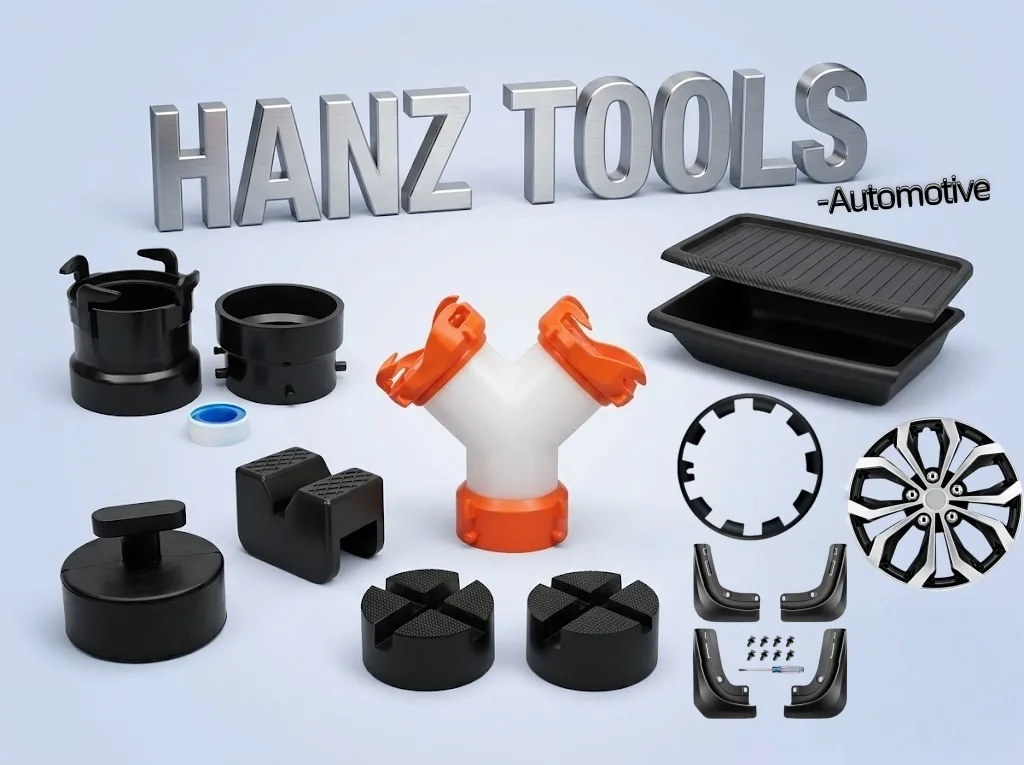
When it comes to maintaining and repairing vehicles, having the right equipment can make all the difference between a quick professional job and a frustrating experience. Whether you are a professional mechanic or a DIY car enthusiast, investing in high-quality automotive tools is essential for safety, efficiency, and long-term reliability.
Modern vehicles are more advanced than ever, which means basic hand tools are no longer enough. Today’s workshops require a combination of mechanical, electrical, and diagnostic tools to handle everything from routine maintenance to complex repairs.
In this article, we will explore the essential automotive tools every workshop should have and why they matter.
1. Basic Hand Tools – The Foundation of Every Workshop
No automotive workspace is complete without a solid set of hand tools. These include:
- Combination wrenches
- Socket sets (metric and imperial)
- Screwdrivers (flathead and Phillips)
- Pliers and cutters
- Hex and Torx key sets
These tools are used in almost every repair task, from removing panels to tightening bolts. High-quality steel construction and ergonomic grips are important to ensure durability and comfort during long working hours.
2. Power Tools for Faster and More Efficient Work
Power tools significantly reduce the time required for repetitive or heavy-duty tasks. Common examples include:
- Cordless impact wrenches
- Electric drills
- Air compressors and pneumatic tools
- Angle grinders
These tools are especially useful in suspension work, engine repairs, and bodywork. Investing in reliable power tools can dramatically improve productivity in any workshop.
3. Diagnostic Tools for Modern Vehicles
Today’s vehicles rely heavily on electronics, making diagnostic tools a necessity rather than a luxury. Key tools include:
- OBD2 scanners
- Multimeters
- Circuit testers
- Battery testers
These tools allow mechanics to quickly identify issues within a vehicle’s electronic systems, saving both time and money.
4. Lifting and Support Equipment
Safety is critical when working under vehicles. Essential lifting equipment includes:
- Hydraulic floor jacks
- Jack stands
- Engine hoists
- Vehicle ramps
Never compromise on quality when it comes to lifting equipment, as it directly impacts user safety.
5. Specialty Automotive Tools
Depending on the type of work, specialty tools may be required, such as:
- Brake bleeder kits
- Timing light tools
- Bearing pullers
- Fuel line disconnect tools
These tools are designed for specific tasks and make complex repairs much easier and more precise.
6. Recommended Automotive Tools Collection
If you are looking for a reliable source of professional-grade equipment, you can explore a wide range of automotive tools here:
👉 https://hanztools.com/collections/automotive-tools
This collection includes essential tools suitable for workshops, mobile mechanics, and automotive enthusiasts who want dependable performance and long service life.
Why Quality Automotive Tools Matter
Choosing the right tools is not just about convenience—it directly affects:
- Work efficiency
- Repair accuracy
- Safety in the workshop
- Long-term cost savings
Cheap or low-quality tools may wear out quickly or even cause damage to vehicle components, leading to higher costs in the long run.
Final Thoughts
Building a complete set of automotive tools is an investment in both safety and performance. Whether you're setting up a professional workshop or upgrading your personal garage, starting with reliable, durable tools will always pay off.
From basic hand tools to advanced diagnostics, each category plays an important role in ensuring smooth and efficient vehicle maintenance.
For a curated selection of professional-grade tools, visit:
👉 https://hanztools.com/collections/automotive-tools