
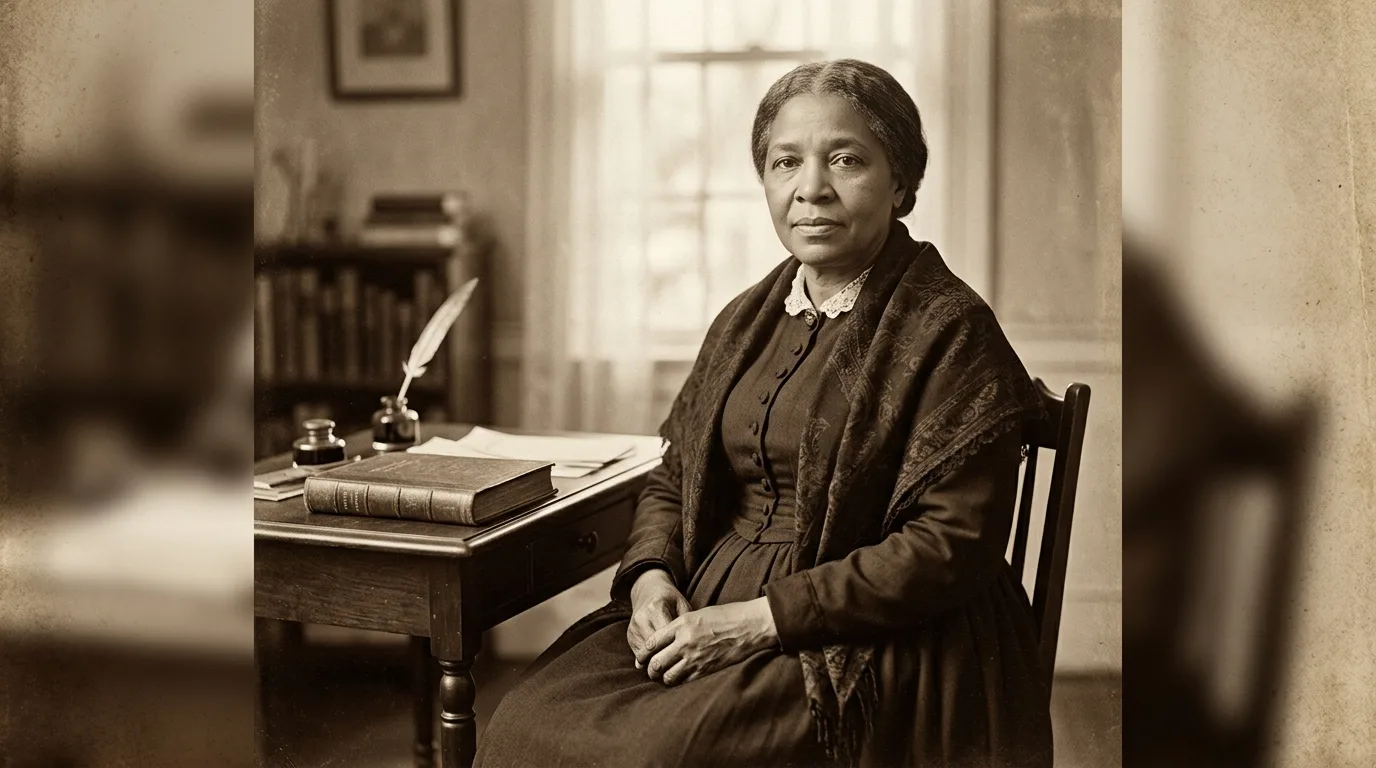
Harriet Jacobs stands as a monumental figure in the fight against slavery, yet her story is often overshadowed by other historical narratives. Born into the shackles of bondage, she transformed her suffering into powerful resistance. Her journey is one of courage, survival, and an unyielding quest for freedom that resonates deeply even today. From hidden spaces to daring escapes, Jacobs navigated a perilous path toward liberation while challenging societal norms and expectations placed on women—especially Black women—in her time.
As we delve into Harriet Jacobs' extraordinary life, prepare to uncover not just a tale of enslavement but also one of indomitable spirit and relentless pursuit of justice. This blog celebrates her legacy and highlights why we should remember this remarkable woman who used words as both shield and sword in the battle against oppression. Let's explore the untold facets of her inspiring narrative together!
Why Is Harriet Jacobs Remembered as a Powerful Voice Against Slavery?
She is remembered as a powerful voice against slavery, primarily for her courageous storytelling. Through her autobiography, "Incidents in the Life of a Slave Girl," she exposed the harsh realities faced by enslaved women. Her vivid accounts highlighted not only physical oppression but also sexual exploitation—a topic often silenced.
Jacobs broke societal norms by challenging the perception of womanhood under slavery. She articulated the emotional and psychological toll that bondage inflicted on families, especially mothers striving to protect their children from harm.
Her narrative was groundbreaking for its time, providing an intimate glimpse into the lives of enslaved individuals. By sharing her experiences, Jacobs fostered empathy among those who had never encountered such brutality firsthand.
Beyond mere personal recounting, she became an advocate for abolitionist causes. Her eloquent words inspired many to join the fight against injustice and fueled conversations about freedom and human rights across America.
Where Did Harriet Jacobs Hide for Years to Escape Enslavement?
Harriet Jacobs sought refuge in a small attic space, hidden within her grandmother's home. This secret location became her sanctuary for nearly seven years. The cramped quarters were barely sufficient for living, yet they offered a glimpse of safety amid constant danger. She remained undetected by those who sought to reclaim her as property.
Jacobs faced immense challenges while confined there. The fear of discovery loomed large every moment she spent hiding from the watchful eyes of enslavers and bounty hunters. Yet it was also during this time that she found strength and resilience. Despite the oppressive darkness surrounding her existence, Harriet nurtured hope through letters and clandestine meetings with loved ones.
Her attic served not only as a hiding place but also as a symbol of defiance against an unjust system that sought to strip away her freedom and dignity.
What Forced Harriet Jacobs to Live in Secrecy?
She was driven into secrecy by the relentless grip of slavery. The constant threat from her enslaver, Dr. Flint, loomed large over her life. His advances and desire to control her body forced her to seek refuge in the shadows.
She found herself hiding in a small attic space for nearly seven years. These cramped quarters became both a prison and a sanctuary. In those confined walls, she battled despair while clinging to hope.
The fear of being captured haunted every moment. Her children were another source of motivation; they deserved freedom and safety away from this oppressive reality.
Living in secrecy also meant strategizing daily survival. Every decision carried stakes that could lead to either liberation or recapture—a constant game of risk in which one misstep could shatter dreams of freedom forever.
How Old Was Harriet Jacobs When She Finally Escaped Slavery?
She was just 27 years old when she finally escaped the clutches of slavery. This age marked a significant turning point in her life, filled with both fear and hope.
For many enslaved individuals, escape seemed impossible. But Harriet’s determination set her apart. She had endured years of abuse and exploitation, yet maintained an indomitable spirit.
Her journey to freedom began after years spent in hiding, meticulously plotting every detail. Each day brought new challenges as she navigated the treacherous landscape of antebellum America.
It was not just about escaping physical bondage; it was about reclaiming her identity. At such a young age, Harriet demonstrated profound courage that would resonate for generations to come. Her story became more than personal—it transformed into a rallying cry against oppression and injustice.
What Is the Untold Story Behind Harriet Jacobs’ Fight for Freedom?
Her fight for freedom was not just about escaping physical chains. It was a deeply personal journey, marked by resilience and an unwavering spirit.
Born into slavery in 1813, she faced unimaginable challenges from a young age. Her struggle was compounded by her determination to protect her children from the horrors of enslavement. This maternal instinct fueled her quest for liberty.
Jacobs meticulously crafted a plan to escape while navigating the complexities of relationships with both enslavers and allies. She penned "Incidents in the Life of a Slave Girl," exposing the harsh realities that many were unaware of at the time.
Her courage extended beyond her own survival; it became a beacon for others trapped in similar circumstances. Harriet's story illuminates how one woman's bravery can challenge societal norms and inspire generations to stand against injustice.
What Were the Final Words of Harriet Jacobs?
Harriet Jacobs’ final words resonate with profound strength and unwavering resolve. Her letters reveal a woman who faced the immense weight of injustice but remained steadfast in her beliefs.
In her autobiography, “Incidents in the Life of a Slave Girl,” she reflects on freedom not just as a physical state but as an essential human right. She implores future generations to remember the struggles endured by enslaved individuals.
Jacobs emphasized the importance of education for liberation. Her last thoughts urged readers to acknowledge their power and responsibility to fight against oppression.
These sentiments linger long after her passing, serving as reminders that courage can inspire action across centuries. Harriet Jacobs’ legacy continues to ignite passion for justice, urging us never to forget those who fought before us.
Why Does Harriet Jacobs’ Story Still Inspire Readers Today?
Harriet Jacobs' story resonates profoundly with readers today for several reasons. Her narrative sheds light on the brutal realities of slavery and the resilience of those who endured it. As a woman, she faced unique challenges that highlight gendered dimensions of oppression within the institution of slavery.
Jacobs’ courageous decision to speak out against her circumstances was groundbreaking. She chose to share her experiences in "Incidents in the Life of a Slave Girl," exposing not only the physical chains but also the emotional toll taken by enslavement and sexual exploitation. This honest portrayal makes her work timeless, inviting readers to reflect on issues such as human rights, autonomy, and dignity—topics still relevant in discussions of social justice today.
Moreover, she serves as a symbol of resistance. Her determination to secure freedom for herself and her children embodies hope and strength in the face of oppressive systems. Many find inspiration in her relentless fight for liberty despite insurmountable odds.
Her legacy continues through literature, activism, and education. Educators implement her story into curricula across schools to foster awareness about history and humanity’s capacity for change. Activists reference Jacobs when addressing ongoing struggles against injustice.
The lessons derived from Harriet Jacobs’ life inspire individuals worldwide to confront their own challenges bravely while advocating for others facing similar battles today.