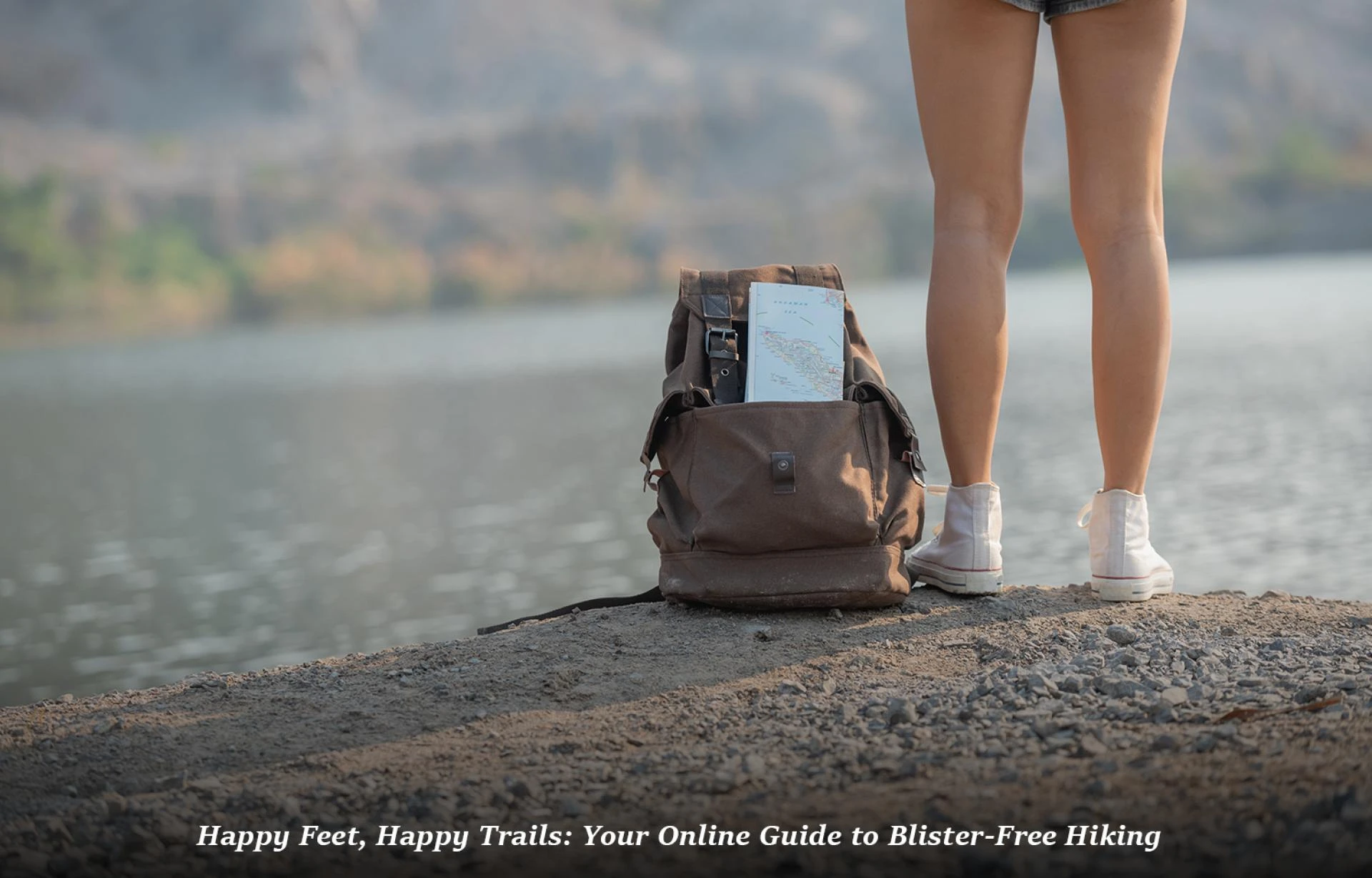
There's a unique magic to hiking – the rhythm of your steps on the trail, the fresh air filling your lungs, the stunning vistas unfolding before you. It’s an activity that nourishes the body and soul. But few things can shatter that trail bliss faster than the insidious, burning pain of a developing blister. What starts as a minor annoyance can quickly escalate into a hike-ending ordeal, turning panoramic views into painful limps. Fortunately, with the right knowledge and gear, blisters are largely preventable. The secret lies in proactive foot care, focusing on high-quality socks, effective liners, and targeted treatments – almost all of which are readily available with just a few clicks online.
The modern hiker has a significant advantage when it comes to sourcing gear: the internet. Gone are the days of being limited to the selection at your local outdoor store. Shopping for Online Hiking Accessories opens up a universe of options. You can meticulously compare materials, scrutinize user reviews detailing real-world performance, discover niche brands specializing in foot comfort, and find the exact products tailored to your specific needs and foot type. Whether you need ultra-thin liners for hot weather or heavily cushioned socks for rugged terrain, the digital marketplace allows you to research, compare, and purchase the best possible defenses against blisters from the comfort of your home, ensuring you're well-equipped before you even step foot on the trail.
The Foundation: Choosing the Right Hiking Socks Online
Your socks are the absolute first line of defense against blisters. They manage moisture, provide cushioning, and minimize friction – the three key factors in blister formation. When shopping online, prioritize these elements:
- Material Matters Most: This is non-negotiable. Avoid cotton at all costs. Cotton absorbs moisture and holds it against your skin, creating the perfect environment for friction and softening the skin, making it prone to tearing. Instead, look for:
- Merino Wool: Nature's performance fiber. It’s excellent at wicking moisture away from the skin, regulating temperature (keeping feet cooler in summer and warmer in winter), naturally resisting odor, and providing soft cushioning. Online listings will specify the merino content percentage.
- Synthetic Blends: Materials like polyester, nylon, CoolMax, and Olefin are engineered to be highly effective at moisture-wicking, drying quickly, and offering durability. Spandex or Lycra is often blended in for stretch and maintaining shape, ensuring a snug fit without bunching (a major friction culprit). Online descriptions often highlight these specific technologies.
- Fit is Paramount: Socks that are too loose will bunch and rub, while socks that are too tight can constrict blood flow and cause pressure points. Reputable brands available online provide detailed sizing charts based on shoe size. Pay close attention to these charts and read online reviews for comments on whether the socks run true to size, large, or small. Look for anatomically designed socks (left/right specific) for an even more precise fit.
- Cushioning Levels: Online retailers typically categorize sock cushioning (e.g., ultra-light, light cushion, medium cushion, heavy cushion). Choose based on your activity, footwear, and personal preference. Light cushioning is often preferred for trail running or hot weather, while medium or heavy cushioning provides more padding and protection for longer hikes with heavier packs or stiffer boots.
- Construction Details: Look for features like seamless toe closures (often advertised online as "seamless toe" or "flat knit toe seam") to prevent rubbing across the top of your toes. Reinforced heel and toe areas add durability, a factor often mentioned in online product specs.
Sock Liners: The Secret Weapon Against Friction
For those particularly prone to blisters or hiking in demanding conditions, sock liners can be a game-changer. Worn directly against the skin underneath your main hiking sock, these ultra-thin socks serve two primary purposes:
- Enhanced Moisture Wicking: They pull sweat directly off your skin even faster than your main sock can.
- Friction Reduction: They create a low-friction layer, allowing any movement to occur between the liner and the outer sock, rather than between the outer sock and your skin.
When searching online, look for liners made from smooth, thin synthetic materials like polypropylene, nylon, or specialized polyester fabrics (like CoolMax). They should fit very snugly without wrinkles. Liners are particularly useful when breaking in new boots, hiking in hot and humid weather, or if you know you have specific "hot spot" areas. Remember to factor in carrying these extra items; ensuring all your gear, from spare layers to first aid, stays dry is crucial. A reliable Waterproof Backpack is indispensable for multi-day trips or unpredictable weather, safeguarding not just your comfort items but also your essential blister prevention kit.
Pre-Hike Prevention & On-Trail Treatments: Your Anti-Blister Arsenal
Beyond socks and liners, several products available online can help you proactively prevent hot spots or treat them before they become full-blown blisters:
- Lubricants & Anti-Chafe Balms: Products like Body Glide, HikeGoo, or Squirrel's Nut Butter create a slick barrier on the skin, drastically reducing friction in problem areas like heels, toes, and the balls of your feet. Apply generously before putting on your socks. Online reviews can help gauge longevity and effectiveness in sweaty conditions.
- Tapes and Protective Coverings: Applying tape to known hot spots before you start hiking can prevent friction from ever starting.
- Moleskin: A classic soft, felt-like adhesive padding. Cut a piece to cover the area, or cut a "donut" hole to place around an already forming hot spot to relieve pressure.
- Sports Tapes (e.g., Leukotape P, Kinesiology Tape): Thin, durable, and highly adhesive tapes that conform well to the foot's contours and stay put even when sweaty. Online tutorials often show specific taping techniques for different foot areas.
- Blister-Specific Bandages (e.g., Compeed, Band-Aid Hydro Seal): These hydrocolloid bandages are best applied to clean, dry skin at the very first sign of a hot spot or on an intact blister. They form a cushioned, gel-like bubble that protects the area, promotes healing, and can stay on for several days. Ordering these online often allows you to buy variety packs suited for different blister locations (heel, toe, etc.). For quick access to these essential small items on the trail, consider using a Waterproof Waist Bag. It keeps your tape, balm, and a few emergency bandages dry and instantly reachable without needing to stop and remove your main pack, allowing for swift preventative action the moment you feel a hot spot forming.
Dealing with Emerging Issues: Stop, Assess, Treat
Despite the best prevention, sometimes a hot spot still flares up. The key is immediate action:
- Stop Hiking: As soon as you feel discomfort, find a safe place to sit down and take off your boot and sock. Ignoring it is the worst thing you can do.
- Assess the Area: Is it just red (a hot spot) or has a blister formed? Is the blister intact or broken?
- Treat Accordingly:
- Hot Spot: Clean and dry the area thoroughly. Apply tape, moleskin, or a hydrocolloid bandage directly. Ensure your sock is smooth before putting your boot back on.
- Intact Blister: Clean the area. Ideally, apply a hydrocolloid bandage directly over it. If you don't have one, create a moleskin "donut" around the blister to relieve pressure, then cover gently. Avoid draining if possible, as the roof protects against infection.
- Broken Blister: Clean very carefully with an antiseptic wipe (easily ordered online for your first-aid kit). Apply antibiotic ointment and cover with a sterile dressing or hydrocolloid bandage. Monitor closely for signs of infection.
Having a dedicated foot care kit, assembled with items ordered online (antiseptic wipes, various tapes, blister bandages, small scissors), is crucial for effective on-trail treatment.
Step Confidently with Online Preparation
Blisters might be a common hiking ailment, but they don't have to be an inevitable one. By understanding the causes – friction, moisture, and pressure – and proactively addressing them with the right gear, you can significantly increase your chances of enjoying pain-free miles. Leveraging the vast selection and information available when shopping for Online Hiking Accessories allows you to meticulously choose the best socks, liners, tapes, and treatments for your individual needs. Remember that foot care is a system; well-fitting boots combined with the right sock system and preventative treatments work together. Carry your foot care arsenal and other essentials securely and protected from the elements, whether in a spacious Waterproof Backpack for longer treks or an accessible Waterproof Waist Bag for quick grabs. Don't let the fear of blisters hold you back from exploring the great outdoors. Research online, invest in quality foot care products, prepare diligently, and step onto the trail with confidence, knowing your feet are well-protected thanks to smart preparation and perhaps reliable gear storage solutions like those offered by Skog Å Kust. Happy hiking!