Hair transplant procedures in Turkey have gained worldwide recognition for their effectiveness, affordability, and advanced techniques. Choosing hair transplant Istanbul allows patients to achieve natural, permanent results while benefiting from experienced surgeons and state-of-the-art clinics. While the procedure itself is crucial, post-operative care plays an equally important role in ensuring optimal outcomes. Following detailed aftercare instructions helps prevent complications, promotes healthy hair growth, and ensures the longevity of the transplant. This article will provide comprehensive guidance for patients on how to care for their scalp after undergoing a hair transplant in Istanbul.
Immediate Care After Surgery
Immediately after your hair transplant Istanbul procedure, it is essential to follow the clinic's instructions closely. For the first few hours post-surgery, patients are advised to rest and avoid any physical activity that may raise blood pressure or cause sweating, as this could affect the grafts. Wearing the protective cap provided by the clinic helps shield the transplanted and donor areas from external contaminants and accidental rubbing.
Most clinics recommend avoiding direct sunlight for the first 24-48 hours, as UV exposure can irritate the scalp and interfere with the healing process. Patients should also refrain from consuming alcohol, smoking, or taking medications not approved by their surgeon during this critical phase. Immediate post-operative care establishes a foundation for successful graft survival and ensures that the newly transplanted follicles remain healthy.
Washing and Scalp Maintenance
Proper washing and scalp maintenance are critical steps in achieving lasting results after a hair transplant Istanbul. Patients are usually instructed to wait 48-72 hours before gently washing the scalp with a mild, non-perfumed shampoo. The goal is to remove dried blood, scabs, and oils without disturbing the transplanted follicles.
When washing, it is crucial to use a soft touch and avoid direct pressure on the grafted area. Lightly dabbing or pouring water gently over the scalp ensures that the follicles remain intact. Some clinics provide special post-transplant shampoos that contain healing agents and help reduce irritation. Over time, regular washing and maintaining scalp hygiene reduce the risk of infection, promote healing, and prepare the area for optimal hair growth.
In addition to washing, moisturizing the scalp may be recommended depending on the individual’s skin type. Patients should strictly follow their surgeon’s guidance to avoid over-moisturizing or using products that can irritate the scalp or hinder graft growth.
Managing Swelling and Discomfort
Swelling and discomfort are common after a hair transplant Istanbul, especially around the forehead, eyes, and donor site. This typically peaks within 2-3 days and gradually subsides over a week. Patients can manage swelling by sleeping with their head elevated and using cold compresses as directed by the clinic.
Pain is generally mild but can be alleviated with prescribed medications. It is important to avoid self-medicating or taking medications that may interfere with blood clotting, as this could compromise the transplanted follicles. Managing discomfort effectively ensures a smoother recovery process and reduces the risk of complications such as follicle displacement or infection.
Patients should also be vigilant for any unusual symptoms, such as excessive redness, pus, or severe pain, which may indicate infection or other issues. Prompt communication with the clinic in such cases is essential to safeguard the transplant results.
Protecting Donor and Recipient Areas
Both donor and recipient areas require careful protection to ensure successful hair growth after a hair transplant Istanbul. The donor area, usually at the back of the scalp, must be shielded from trauma and friction, as it is healing from follicle extraction. Patients should avoid tight hats, headbands, or any activity that may put pressure on the donor region.
The recipient area, where the hair follicles have been transplanted, is especially delicate during the initial weeks. Direct sunlight, scratching, rubbing, or exposure to dust and pollution can compromise the grafts. Many clinics provide protective coverings or advise avoiding crowded environments during the first few days.
Patients are often advised to postpone vigorous physical activities, such as exercising, swimming, or contact sports, for several weeks post-surgery. Protecting the donor and recipient areas not only ensures graft survival but also maximizes the aesthetic outcomes of the hair transplant.
Follow-Up Visits and Growth Monitoring
Follow-up visits are a critical component of post-operative care after a hair transplant Istanbul. Surgeons schedule appointments to monitor the healing process, remove scabs, and assess the growth of transplanted hair. These visits also provide an opportunity to address any concerns or complications early on.
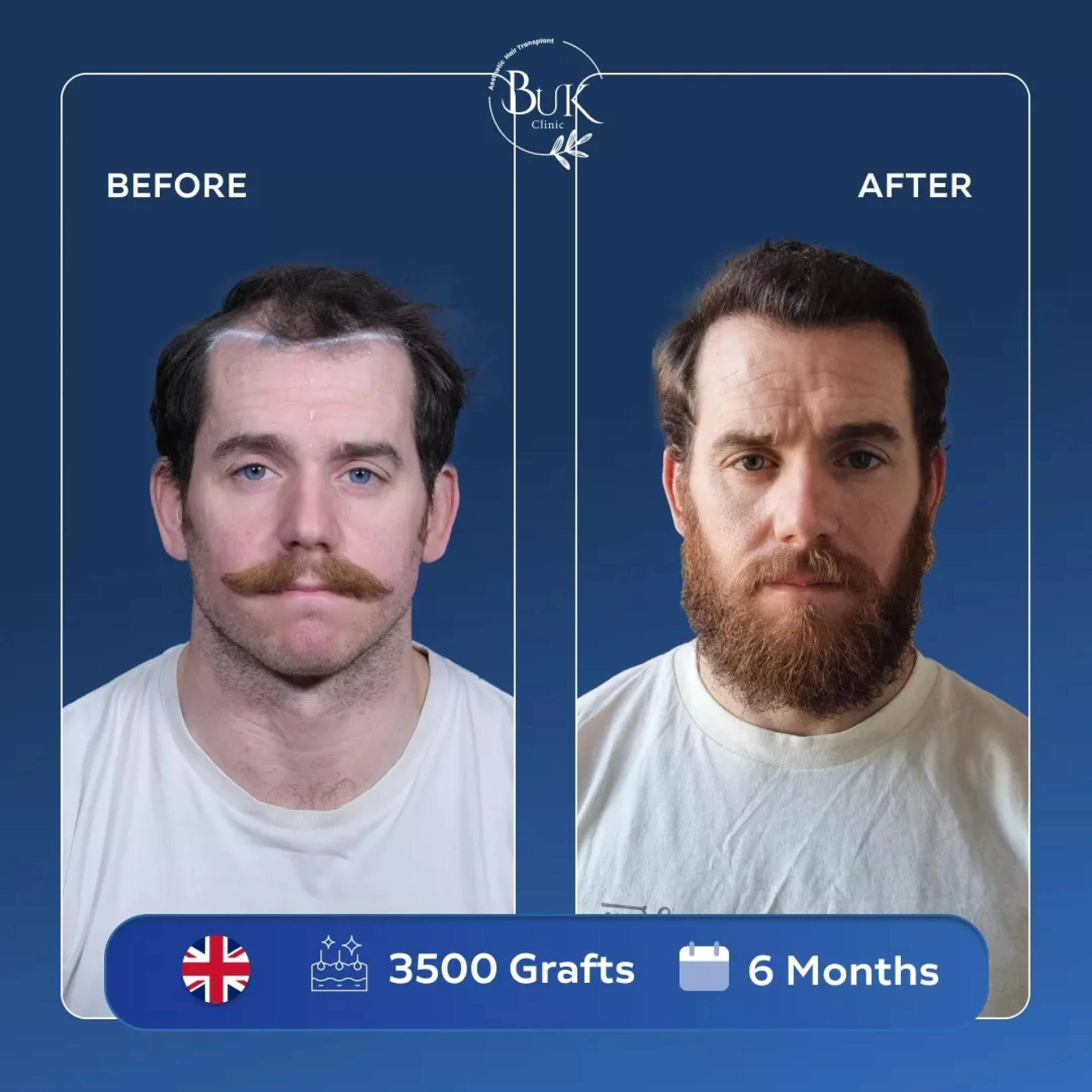
Patients should keep track of hair shedding and initial growth patterns, which are natural parts of the post-transplant process. Some shedding of transplanted hair occurs within the first few weeks, but this is temporary and expected. New growth usually becomes visible after 3-4 months, with more substantial results appearing around the 6-12 month mark.
Growth monitoring ensures that the patient and clinic can identify any irregularities, such as uneven hair density or delayed follicle activation, and implement corrective measures if necessary. Adhering to follow-up schedules significantly enhances the overall success and satisfaction with the hair transplant procedure.
Conclusion
Undergoing a hair transplant Istanbul is a life-changing decision for many individuals experiencing hair loss. However, achieving natural, long-lasting results requires meticulous attention to post-operative care. Immediate care after surgery, careful washing and scalp maintenance, managing swelling and discomfort, protecting donor and recipient areas, and attending follow-up visits are all crucial steps in the recovery process.
By adhering strictly to the aftercare instructions provided by the clinic, patients can ensure the survival of transplanted follicles, prevent complications, and enjoy the full benefits of their hair restoration journey. Proper post-operative care is not just a recommendation—it is the key to achieving optimal, permanent results from a hair transplant in Istanbul.