Planning an expedition across the high-altitude desert of Ladakh requires meticulous preparation, ground-level operational insight, and an acute understanding of trans-Himalayan geography. Positioned between the Karakoram range and the Great Himalayas, Ladakh presents extreme topography where elevation, climate, and route logistics converge. Drawing upon years of field management across cold-desert circuits, this guide outlines critical parameters for curating a safe and deeply immersive journey.
Strategic Acclimatization and Altitude Management
Ascending rapidly to elevations exceeding 3,500 meters subjects the human body to significantly reduced atmospheric pressure and thinner oxygen levels. Acute Mountain Sickness (AMS) remains the foremost risk for travelers landing directly at Kushok Bakula Rimpochee Airport in Leh.
To mitigate physiological stress, travelers must allocate forty-eight continuous hours strictly for resting upon arrival. Hydration plays an indispensable role; consuming three to four liters of water daily, along with oral rehydration solutions, accelerates metabolic stabilization. Avoid strenuous physical activity, tobacco, and alcohol during these initial two days. Experienced travelers often keep supplementary oxygen canisters and pulse oximeters readily available in transit vehicles, closely tracking blood oxygen saturation levels before ascending toward higher passes.
Designing the Circuit: Essential Milestones
A balanced itinerary distributes driving hours evenly to avoid exhaustion while navigating remote valleys with minimal civilian infrastructure. Working with a dedicated tour operator in Kashmir ensures seamless border-area documentation, vetted transport drivers, and pre-screened lodging across isolated mountain sectors.
Leh Heritage and Cultural AnchorsSpend your active recovery days exploring the historical nucleus of Leh town. The nine-story Leh Palace provides architectural perspective on seventeenth-century Tibetan design, while the Shanti Stupa in Changspa offers panoramic viewpoints over the Indus Valley. Down along the river basin, Shey Palace and Thiksey Monastery present complex mural preservation, centuries-old thangka paintings, and active monastic assemblies that showcase authentic Himalayan Buddhist heritage.
Crossing Khardung La into Nubra ValleyThe northern route out of Leh climbs through Khardung La, one of the world's highest motorable passes, sitting above 5,350 meters. The subsequent descent reveals the Nubra Valley, characterized by the stark contrast of white sand dunes set against snow-capped peaks in Hunder. Here, travelers encounter double-humped Bactrian camels, living remnants of ancient Silk Route trade caravans. Further along the valley, Diskit Monastery stands vigil with its colossal 32-meter statue of Jampa Buddha, overlooking the braided Shyok River bed.
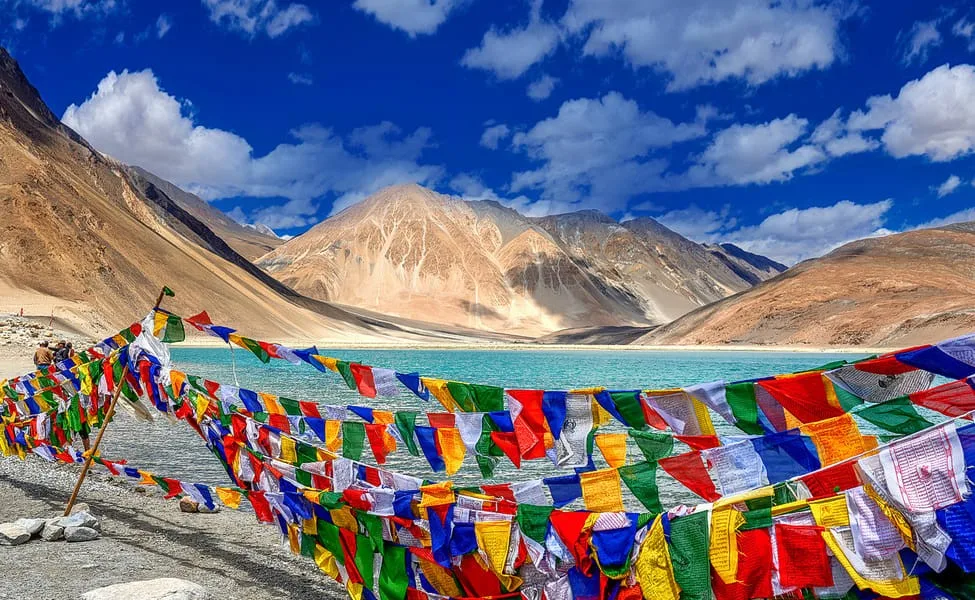
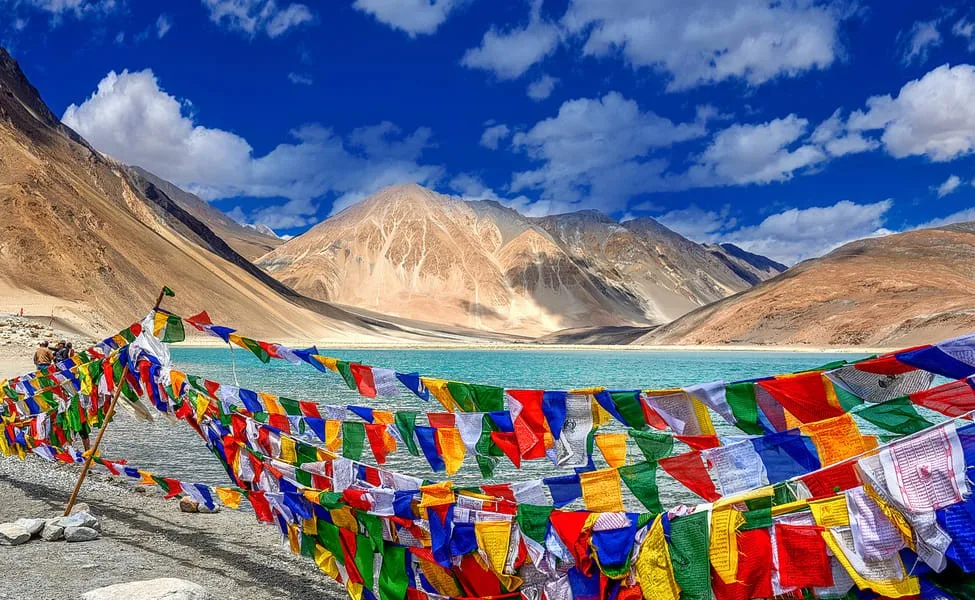
The High-Altitude Splendor of Pangong TsoTraversing from Nubra across the rugged Shayok river route leads directly toward Pangong Tso, an endorheic lake extending over 130 kilometers from India into Tibet. Sitting at an altitude of approximately 4,225 meters, Pangong changes its water hue dynamically from turquoise to deep indigo based on sun exposure and cloud cover. Given the extreme sensitivity of this wetland biome, accommodations are strictly regulated, with seasonal eco-camps set back from the direct shoreline to prevent environmental degradation.
Securing a structured Leh Ladakh Tour with Pangong Lake allows visitors to experience both sunrise and dusk along the lakeside without logistical complications concerning inner-line permits or heated accommodation standards.
Logistical Checklist and Seasonal Travel Windows
The primary window for comfortable road transit opens in late May and extends through early October. During these months, both the Manali-Leh and Srinagar-Leh national highways remain clear of winter snowpack, allowing dependable overland logistics.
- Permits and Documentation: Protected Area Permits (PAP) and Inner Line Permits (ILP) are mandatory for non-local travelers traversing Nubra Valley, Pangong Tso, and Changthang. Keep five physical copies of permits and government photo identity cards on hand for military checkpoints.
- Vehicle Suitability: Roads outside the primary urban center feature unpaved river crossings (water crossings or nalas), scree, and loose shale. High ground clearance four-wheel-drive vehicles driven by seasoned local chauffeurs are essential.
- Thermal Layering: Daily temperatures swing dramatically. Midday sun causes intense thermal radiation, whereas nocturnal temperatures drop below freezing, even during peak summer. Pack moisture-wicking base layers, fleece mid-layers, and windproof outer shells.
- Cash and Connectivity: Mobile reception beyond Leh is largely restricted to select postpaid networks, with minimal data connectivity in remote valleys. Automated teller machines are unavailable outside Leh, necessitating adequate physical cash reserves for personal expenses and rural tipping.
Selecting comprehensive Leh-Ladakh destination Tour Packages guarantees that every transfer, inner-line permit verification, driver scheduling, and high-altitude health protocol is handled with professional care. By respecting the delicate ecosystem and physical realities of the trans-Himalayas, your voyage remains smooth, sustainable, and unforgettable