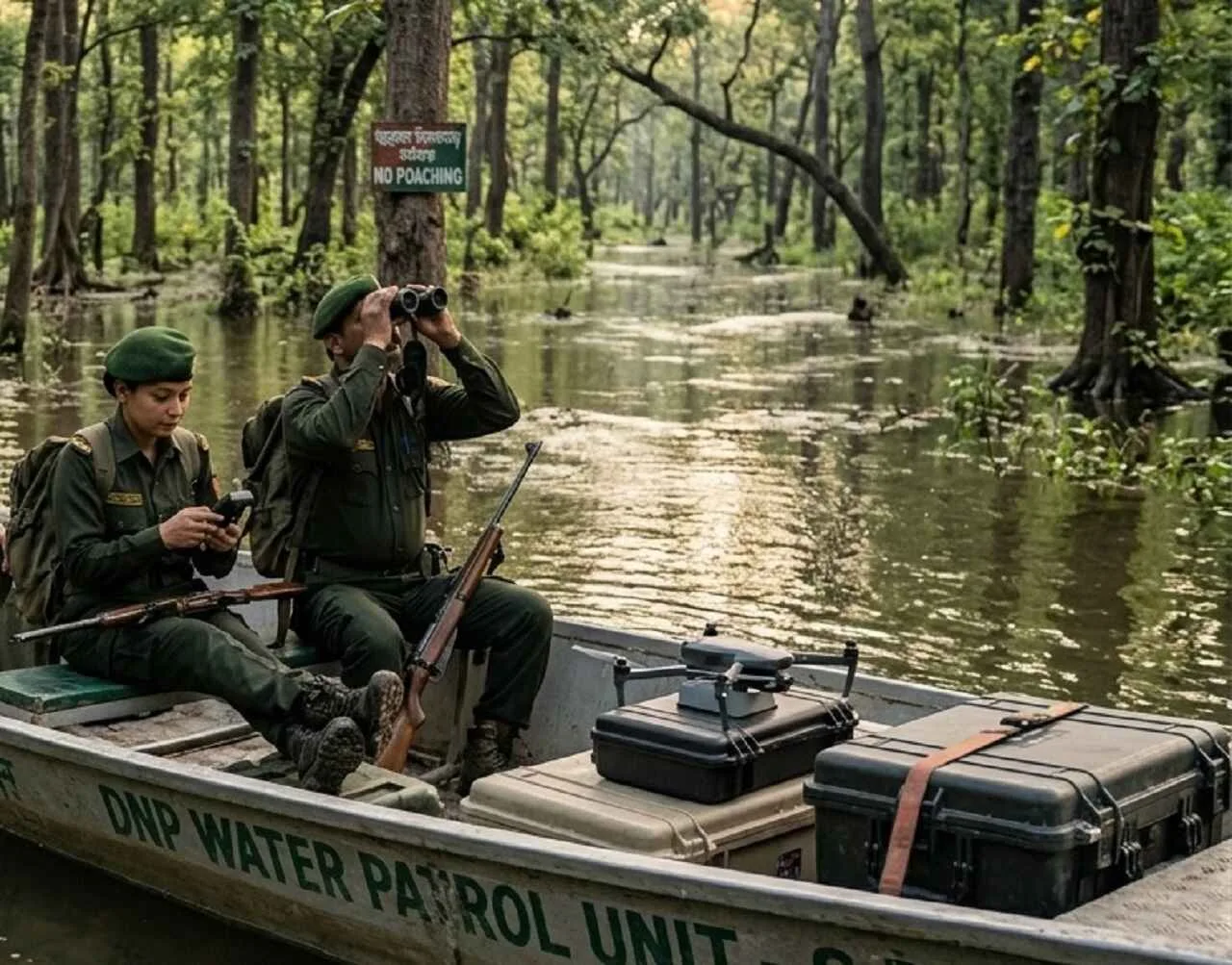
Protection of forests and national parks is not the only basis for wildlife conservation. There are people out there that put in the hard work to keep wildlife alive and natural ecosystems intact. One of the most important people who play a role in protecting wildlife are forest rangers. They patrol the forests and stop illegal activities, they help to rescue illegal persons, they keep an eye on the movement of wildlife and help maintain the ecological balance in the protected forests.
Forests of wildlife originating areas like Dudhwa National Park are of extreme importance for the protection of endangered species like Bengal Tiger, one horned Rhinoceroses, Swamp Deer, Elephants and hundreds of kinds of birds. They work tirelessly and commit themselves to safeguarding some of the richest biodiversity landscapes of India.
What do forest rangers do?
Forest rangers are professionals who are trained to protect forests, wildlife sanctuaries and national parks. They are employed in forest departments and wildlife authorities, where they help to oversee ecosystems, combat poaching, ensure the safety of forests, and aid in conservation efforts.
They tend to spend many hours in the bush, especially in forests, wetlands, grasslands and far off wildlife habitat. Teachers of forest patrol wander in the jungle, watch the movement of animals, inspect the sensitive parts of the jungle and make sure that animals are not in danger from illegal poachers.
At sites such as Dudhwa National Park and other forests in the Terai, forest rangers have to face harsh environmental conditions like extreme heat, heavy rainfall, flooding and dangerous animals.
To stop animals being poached or illegally traded
Forest rangers' job includes countering poaching and the bustling trade of wild animals. The body parts of endangered species like tiger, rhino, elephant and leopard skins, bones, horns and tusks are often harvested.
Forest rangers are stationed in the wildlife areas regularly to keep track of any suspicious activity and to prevent illegal hunting activity. They establish surveillance systems, patrol forest tracks and collaborate closely with anti-poaching teams to safeguard wildlife habitats.
There are numerous forest rangers who leave themselves vulnerable to harm at the hands of armed poachers in remote forest areas. They have been instrumental in the decline of poaching activities in several national parks of India due to their courage and commitment.
Had it not been for the continuous efforts of forest rangers, many endangered species would be more at risk to be extinct.
To monitor wildlife and forest habitats
Another important responsibility of forest rangers is to monitor forest health and wildlife numbers. They gather vital data on animal sightings, breeding, migratory patterns and habitat.
The information is useful for wildlife authorities and conservation scientists to understand population changes and ecological changes in forest ecosystems. Frequently, rangers help with wildlife census, camera trap monitoring, and habitat surveys.
They also actively survey water sources, wetlands, grasslands and forest vegetation, to make sure animals have healthy living environment. If issues such as forest fires, illegal tree cutting, water shortages, or habitat destruction occur, forest rangers are usually the first responders.
They offer helpful assistance in long-term conservation planning of wildlife and ecosystem management.
The park provides support for eco-tourism and jungle safaris
Forest rangers should be an important part in the regulation and management of eco-tourism activities and ensure safe jungle safari experiences to the tourists. The major attractions of the National Parks and Wildlife Sanctuaries are Wildlife Photography, birdwatching, jungle safaris and nature exploration.
Rangers assist in keeping safari roads in tip-top condition, give tours to visitors, ensure that they follow park regulations and also keep wildlife safe from the nuisance of poorly conducted safaris. They also provide educational information about wildlife behavior, conservation awareness and the value of conserving natural ecosystems.
Forest rangers play an important role in providing a safe and organized safari experience for visitors and in ensuring that the tourism experience is environmentally responsible, particularly in destinations such as Dudhwa National Park.
Through their efforts they help visitors to experience wildlife in an unparalleled way while reducing the impact of humans on sensitive ecosystems.
Managing Human-Wildlife Conflict
With growing human population in the vicinity of forest areas, conflicts have risen between wildlife and the locals. Wild animals may intrude into village areas, fields or gardens for water or food and cause damage and may pose a risk to agricultural staff and children.
These are issues that should be dealt with sensitively and professionally by forestry rangers. They rescue animals from harm, escort wildlife back into forests, and help rescue animals stuck in predicaments.
The forest rangers in the areas around Dudhwa National Park and Terai landscape have been interacting with the locals to mitigate human-wildlife conflict and foster peaceful relationship with nature.
Their work fosters the relationship between forest departments and adjacent villages, a key component in the success of conservation efforts.
Wildlife Rescue and Emergency Operations
Forest rangers may also be called on to respond to emergencies and undertake wildlife rescues. Animals that are injured, orphaned, trapped or impacted by fire or floods will need immediate attention and professional handling.
Rangers collaborate with veterinarians, wildlife and rescue personnel to effectively manage emergency situations. They can save endangered animals' lives and minimize ecological damage due to their fast reaction.
Forest rangers also work in the forest and keep a track on the movements of wildlife in the case of natural disasters in flood prone forests like the Terai forest areas.
In times of crisis, their commitment and bravery help keep wildlife safe and maintain a healthy balance.
Challenges Faced by Forest Rangers
Although forest rangers play an important role in forestry, they have many difficulties in their daily work. Often they are patrolling areas of forests that are far from support, have poor road access and limited infrastructure.
Their job is very challenging because of their long working hours, the conditions of the weather, the potentially dangerous wildlife, and the ever present danger of poachers. Many rangers work days in and in the bush, far from their homes, undertaking conservation work.
They often have to work without adequate equipment and communication facilities in some areas, adding to their challenges. Their love and resolve for wildlife conservation, however, do not wane with these difficulties.
One of their strongest pillars that support wildlife protection in India is their commitment.
Forest Rangers play a vital role in conserving the forest.Forest Rangers are an important person in the conservation of forest.
The role of forest rangers is to balance nature and preserve biodiversity. They carry out their work to benefit wildlife conservation, eco-tourism, forest management and environmental protection.
The absence of forest rangers would make it easier to allow illegal hunting, destroy forest areas, and interfere with natural processes. They serve as a reminder that wildlife habitats are healthy and safe for generations to come when they inhabit forests.
They also create a sense of conservation among tourists, local community and young people who want to preserve nature and wildlife.