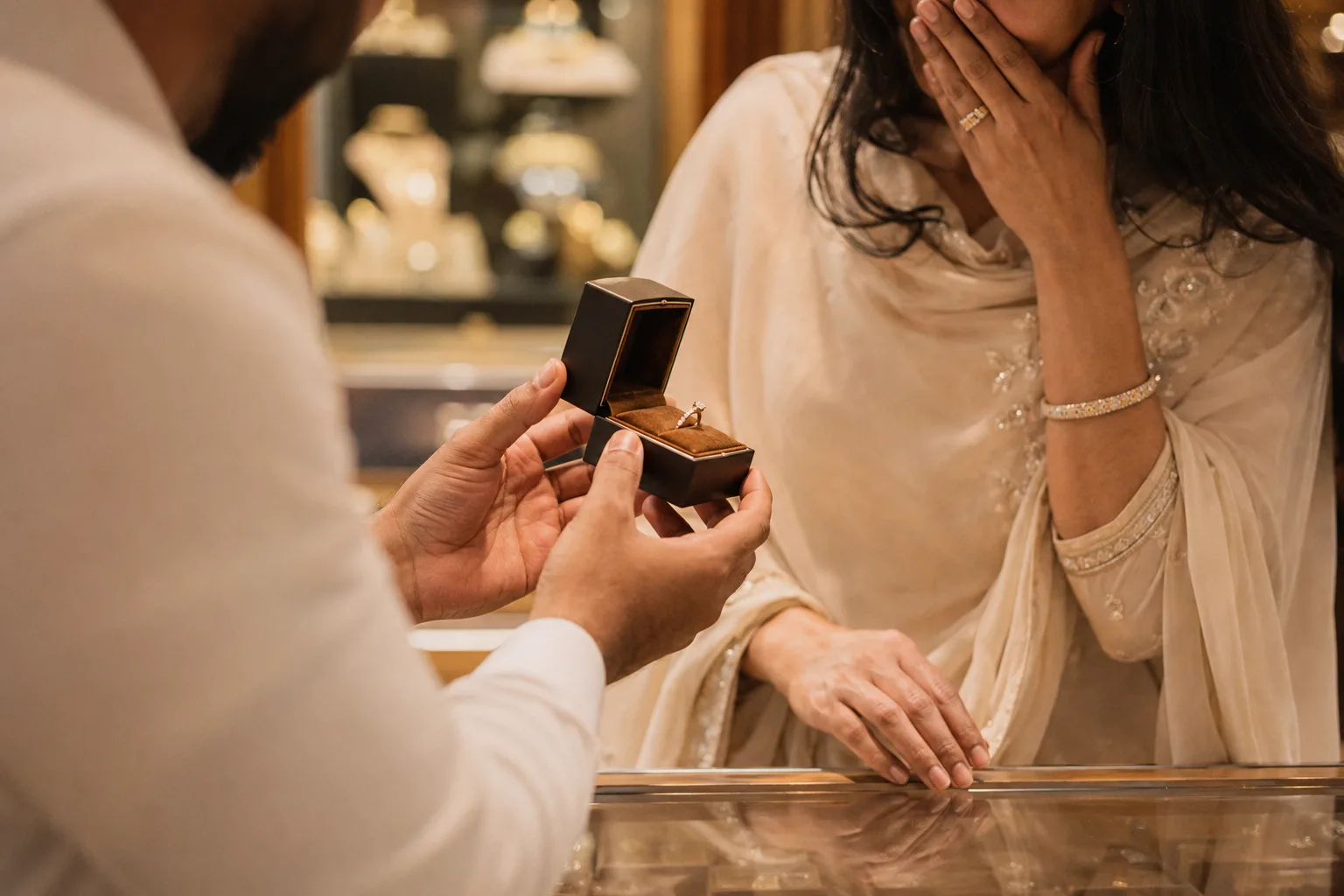
Buying gold jewellery is as much an emotional decision as a financial one. Whether you're picking out a piece for a wedding, a festival, or simply to add to your collection, understanding a few basics can help you buy smarter and avoid overpaying. This guide breaks down everything you need to know — from purity and hallmarking to making charges — so you can shop with confidence.
Understanding Gold Purity
Gold purity is measured in karats (K), and it tells you how much pure gold is present in a piece of jewellery.
- 24K gold is 99.9% pure gold. It's the purest form available, but it's very soft and not ideal for jewellery that needs to hold its shape or withstand daily wear.
- 22K gold contains about 91.6% pure gold, alloyed with metals like copper or silver for added strength. This is the most popular choice for jewellery in India, offering a good balance between purity and durability.
- 18K gold is 75% pure gold and is commonly used for pieces set with gemstones or diamonds, since the added alloy gives extra strength to hold stones securely.
- 14K gold is around 58.5% pure and is more affordable, often chosen for everyday-wear pieces.
The right purity for you depends on the purpose of the piece. A heavy gold bangle meant for special occasions is often crafted in 22K for that rich, traditional look, while a delicate gold bracelet for daily wear might be better suited to 18K or 14K for added resilience.
Why Hallmarking Matters
Hallmarking is an official certification of gold purity, and in India it's regulated by the Bureau of Indian Standards (BIS). When you buy hallmarked jewellery, you're getting a guarantee that the purity marked on the piece matches what's actually inside it.
Here's what to look for on a hallmark:
- BIS logo – confirms the jewellery has been tested and certified.
- Purity grade – such as 916 (22K), 750 (18K), or 585 (14K).
- HUID (Hallmark Unique Identification) number – a unique six-digit alphanumeric code assigned to each piece, which can be verified on the BIS Care app to check details like the jeweller and purity.
- Assaying and Hallmarking Centre's identification mark – shows which centre tested the piece.
Always ask for hallmarked jewellery and check the HUID number before you buy. This is especially important for larger investments like a diamond ring, where both the gold setting and the diamond should come with proper certification.
Making Charges: What You're Really Paying For
Making charges (also called "value addition") cover the labour and craftsmanship that goes into turning raw gold into a finished piece of jewellery. This is a cost separate from the gold's market value, and it can vary quite a bit depending on the design.
A few things that influence making charges:
- Design complexity – intricate, handcrafted designs cost more to make than simple, machine-made pieces.
- Charging method – making charges can be a flat charge per gram or a percentage of the gold's value; percentage-based charges tend to be more transparent.
- Wastage charges – some jewellers add a small percentage to account for metal lost during crafting.
- Machine-made vs. handmade – machine-made jewellery (common in lighter, everyday pieces) usually has lower making charges than heavily detailed, handmade designs.
When shopping, ask for an itemised bill that separates the gold value, making charges, and GST. This makes it much easier to compare prices across jewellers and pieces.
Other Factors to Consider Before You Buy
Design and occasion Think about how and when you'll wear the piece. A statement gold bangle works beautifully for weddings and festive occasions, a versatile gold bracelet suits everyday elegance, and a sparkling diamond ring is a timeless choice for engagements or milestone celebrations.
Weight and resale value Heavier pieces naturally cost more, but they also tend to hold better resale value. If you're buying gold as an investment alongside jewellery, keep this in mind.
Certification for diamonds and gemstones If you're buying a piece with diamonds, look for certification from a recognised gemological laboratory that verifies the diamond's cut, clarity, colour, and carat weight — this is just as important as the gold's hallmark.
Buyback and exchange policies Check the jeweller's buyback and exchange terms before purchasing. Reputable jewellers usually offer transparent policies for returning old gold or upgrading designs.
Trusted sellers Buy from established, reputable jewellers who provide proper billing, certification, and after-sales support. This protects you against both quality and pricing concerns.
Final Thoughts
A little knowledge goes a long way when buying gold jewellery. Understanding purity levels, checking for proper hallmarking, and knowing exactly what you're paying for in making charges will help you make a confident, informed purchase — whether you're drawn to a classic gold bangle, an everyday gold bracelet, or a dazzling diamond ring. Take your time, ask the right questions, and choose pieces that are as sound an investment as they are beautiful.