Choosing the right wrist jewelry can feel surprisingly personal. Your wrist is one of the most visible parts of your body — it moves with you, catches the light during conversations, and often becomes part of your signature style. So when it comes to picking between two timeless classics, the decision matters more than it might seem at first glance.
Both options have loyal followers, rich histories, and their own unique charm. Let's break down what makes each one special, so you can decide which suits your lifestyle, your outfits, and your personality best.
Why Wrist Jewelry Still Rules
Long before smartwatches and fitness trackers took over our wrists, people adorned this part of the body with precious metals as a symbol of status, culture, and beauty. That tradition hasn't faded — if anything, it's grown stronger. Whether it's a family heirloom passed down through generations or a fresh purchase to celebrate a milestone, wrist jewelry continues to hold emotional and aesthetic weight.
The real question isn't whether to wear something on your wrist — it's which style tells your story best.
The Case for a Classic Circular Design
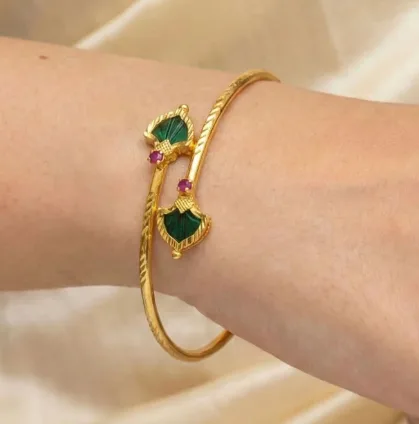
A solid, rounded piece worn around the wrist has been part of cultural traditions across the world for centuries. It's often thicker, more substantial, and designed to sit close to the skin without much movement. A gold bangle is a great example of this timeless craftsmanship. People love this style for a few reasons:
- Durability: Because of its rigid, closed structure, this style tends to withstand daily wear exceptionally well.
- Cultural significance: In many traditions, this circular design is exchanged during weddings, festivals, or as a coming-of-age gift.
- Bold statement: A single well-crafted piece can stand alone, without needing to be layered or paired with anything else.
- Stackability: Many people choose to wear several together, creating a chiming, layered look that's instantly eye-catching.
If you're someone who prefers jewelry that feels substantial and doesn't shift around much throughout the day, this option might be your best bet.
The Case for a Flexible Chain-Style Piece
On the other end of the spectrum is the more flexible, chain-like style that drapes gently around the wrist. This option tends to appeal to people who want versatility and a lighter feel. A gold bracelet is a wonderful choice if this style speaks to you. Here's why it continues to be a favorite:
- Adjustability: Most designs come with clasps or extenders, making it easy to get a comfortable, custom fit.
- Everyday comfort: The flexible structure moves naturally with your hand, which many people find more comfortable for daily tasks.
- Design variety: From delicate chains to charm-based designs, there's an almost endless range of styles to explore.
- Layering potential: It pairs beautifully with watches, other delicate pieces, or even worn solo for a minimalist look.
If your priority is comfort and the ability to switch up your look often, this flexible style might win you over.
Comparing the Two: What Really Sets Them Apart
When people compare a rigid circular design to a more flexible wrist piece, the real differences usually come down to structure, styling, and occasion.
A rigid circular piece typically offers a bolder, more traditional silhouette. It tends to be heavier per piece, which some people equate with better value and lasting craftsmanship. It's also often chosen for ceremonial occasions — weddings, anniversaries, or festivals — where a strong visual statement matters.
A chain-style option, meanwhile, leans toward everyday versatility. It's easier to resize, simpler to layer, and generally more forgiving if your wrist size fluctuates slightly over time. Many people find it easier to wear one of these pieces alongside a watch or other accessories without feeling overloaded.
Neither is objectively "better" — it really comes down to your personal taste, your daily routine, and the occasions you're dressing for.
Factors to Consider Before You Buy
Before deciding between the two, think through these practical points:
- Lifestyle: Do you work with your hands often? A flexible design may hold up better to frequent movement, while a solid circular piece might need to be removed for certain activities.
- Occasion: Are you shopping for everyday wear or a special event? Traditional circular designs often shine at formal or ceremonial occasions.
- Budget: Weight and craftsmanship both affect price, so compare pieces based on gram weight and purity (usually marked in karats) rather than appearance alone.
- Styling goals: If you love stacking and layering, either style can work — but chain-style pieces are generally easier to mix and match with other jewelry.
- Comfort: Try both styles on if you can. Comfort is deeply personal, and what looks good in a photo doesn't always feel good on the wrist.
Can You Have Both?
Absolutely — and many jewelry lovers do. A rigid circular piece can serve as your go-to for special occasions and cultural celebrations, while a flexible chain-style piece becomes your everyday companion. Together, they offer the best of both worlds: tradition and versatility, boldness and subtlety.
Final Thoughts
At the end of the day, there's no universal "right" choice between these two beloved styles of wrist jewelry. It's about knowing yourself — your routine, your taste, and the moments you want to shine. Whichever you choose, investing in quality craftsmanship and genuine materials will ensure your piece stays beautiful for years to come, becoming not just an accessory, but a story you carry with you every day.