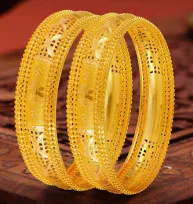
Few pieces of jewellery are as timeless as the gold bangle. Worn for centuries across cultures, from bridal sets in India to minimalist stacks in modern capitals, a gold bangle is part adornment, part heirloom, and part investment. Whether you are buying your first bangle or adding to a growing collection, this guide covers everything you need to know.
Why Gold Bangles Never Go Out of Style
A gold bangle is a rigid, circular bracelet that slips over the hand and rests at the wrist. Unlike chain bracelets, it needs no clasp (though some have hinges or screws), which gives it a clean, continuous look. Gold bangles have remained popular because they are:
- Versatile: equally at home with a saree, a business suit or jeans and a T-shirt.
- Durable: solid gold resists tarnish and can last generations.
- Valuable: gold holds its worth, so a bangle doubles as a store of value.
- Meaningful: they are often gifted at weddings, births, festivals and milestone birthdays.
Understanding Gold Purity: 22K, 18K or 14K?
Purity is the first decision when buying a gold bangle.
- 24K (99.9% gold): Purest form, but very soft and rarely used for everyday bangles.
- 22K (91.6% gold): The traditional choice in India and the Middle East. Rich yellow colour, but softer, so intricate designs may dent with rough wear.
- 18K (75% gold): A strong balance of purity and durability, popular for diamond-studded and contemporary designs.
- 14K (58.3% gold): Harder and more affordable, ideal for daily wear and active lifestyles.
Look for the BIS hallmark (in India) or the equivalent hallmark in your country. It certifies purity and protects you from fraud.
Popular Types of Gold Bangles
Plain gold bangles. Smooth, polished and classic. They are easy to stack and the most budget-friendly per gram because of low making charges.
Carved and kada-style bangles. Thick, ornate bangles with engraved floral, peacock or temple motifs. Often worn as statement pieces for weddings and festivals.
Openable (screw or hinge) bangles. Perfect if you have a larger hand or want a secure fit without sizing issues.
Diamond or gemstone gold bangles. Pair gold with diamonds, rubies, emeralds or polki for an elevated, occasion-ready look.
Lightweight or daily-wear bangles. Slim, hollow or textured designs that give the gold look without the heavy price tag.
Kids' gold bangles. Small, simple and often gifted at naming ceremonies or birthdays.
How to Find Your Bangle Size
A bangle must slide over the widest part of your hand, so wrist size alone is not enough.
- Bring your thumb and little finger together as if slipping on a bangle.
- Measure around the widest part of your knuckles and palm with a soft tape.
- Compare with the jeweller's size chart. Common Indian sizes run from 2.2 (small) to 2.10 (large).
If you are between sizes, choose the larger one for comfort, or opt for an openable design.
How to Buy a Gold Bangle Smartly
- Check the daily gold rate before purchase and compare rates across trusted jewellers.
- Understand the price formula: gold weight × rate + making charges + GST.
- Ask about making charges. They vary widely, so negotiate or compare, especially for intricate designs.
- Insist on a proper bill showing weight, purity, hallmark and stone deductions.
- Ask about buyback and exchange policies so you know the resale terms.
- Buy from reputed sellers, online or offline, with clear return policies.
Where to look: Jos Alukkas. If you are shopping for gold bangles in Kerala or elsewhere in India, Jos Alukkas is one of the best-known names to start with. The Thrissur-born jeweller has been in the business since the 1950s and has grown into a brand with showrooms across South India and beyond, offering everything from plain, everyday gold bangles to carved wedding kadas and diamond-set designs. Browsing a range like this is a good way to compare patterns, weights and making charges side by side. As with any jeweller, check the day's gold rate, confirm the purity and hallmark on the bill, and ask about exchange and buyback terms before you buy.
How to Style Gold Bangles
Stack them. Mix thin and thick bangles in sets of two, four or six for a layered look.
Go single. One bold carved bangle on one wrist makes a quiet statement.
Mix metals. Pair gold with rose gold or silver bangles for a modern twist.
Pair with a watch. A slim gold bangle beside a watch adds polish to office wear.
Match the occasion. Heavier, ornate pieces suit weddings and festivals, while slim, polished bangles work for daily wear.
Caring for Your Gold Bangles
Gold is resilient, but a little care keeps it shining.
- Clean with lukewarm water, a few drops of mild soap and a soft brush, then pat dry.
- Remove bangles before swimming, cleaning or applying perfume and lotions.
- Store each piece separately in a soft pouch to avoid scratches.
- Have a jeweller check hinges, screws and stones once a year.
Is a Gold Bangle a Good Investment?
Gold has historically preserved value over the long term, and a bangle is a wearable form of that security. Keep in mind that making charges are generally not recovered on resale, so plain, high-purity designs with lower making charges tend to be better from an investment angle, while ornate pieces are better valued for beauty and sentiment. This is general information, not financial advice, so consider your own goals before buying.
Final Thoughts
A gold bangle is more than an accessory. It carries tradition, style and lasting value in a single circle. By understanding purity, choosing the right size, buying from trusted sellers and caring for your piece, you can enjoy a gold bangle that looks beautiful today and gets passed down tomorrow.
Tip: Start with a classic plain 22K or 18K bangle, then build your stack over time.