When you're planning a trip abroad, staying connected is a key thing to think about. You need a reliable internet connection for everything from finding your way around to keeping up with social media and work emails. In the past, travelers bought local SIM cards to solve this problem. But now, with eSIM technology taking off Global eSIM Plans have become a strong option. This article looks at the good and bad points of both choices to help you figure out what works best for your travel needs.
Understanding Global eSIM Plans
What is an eSIM?
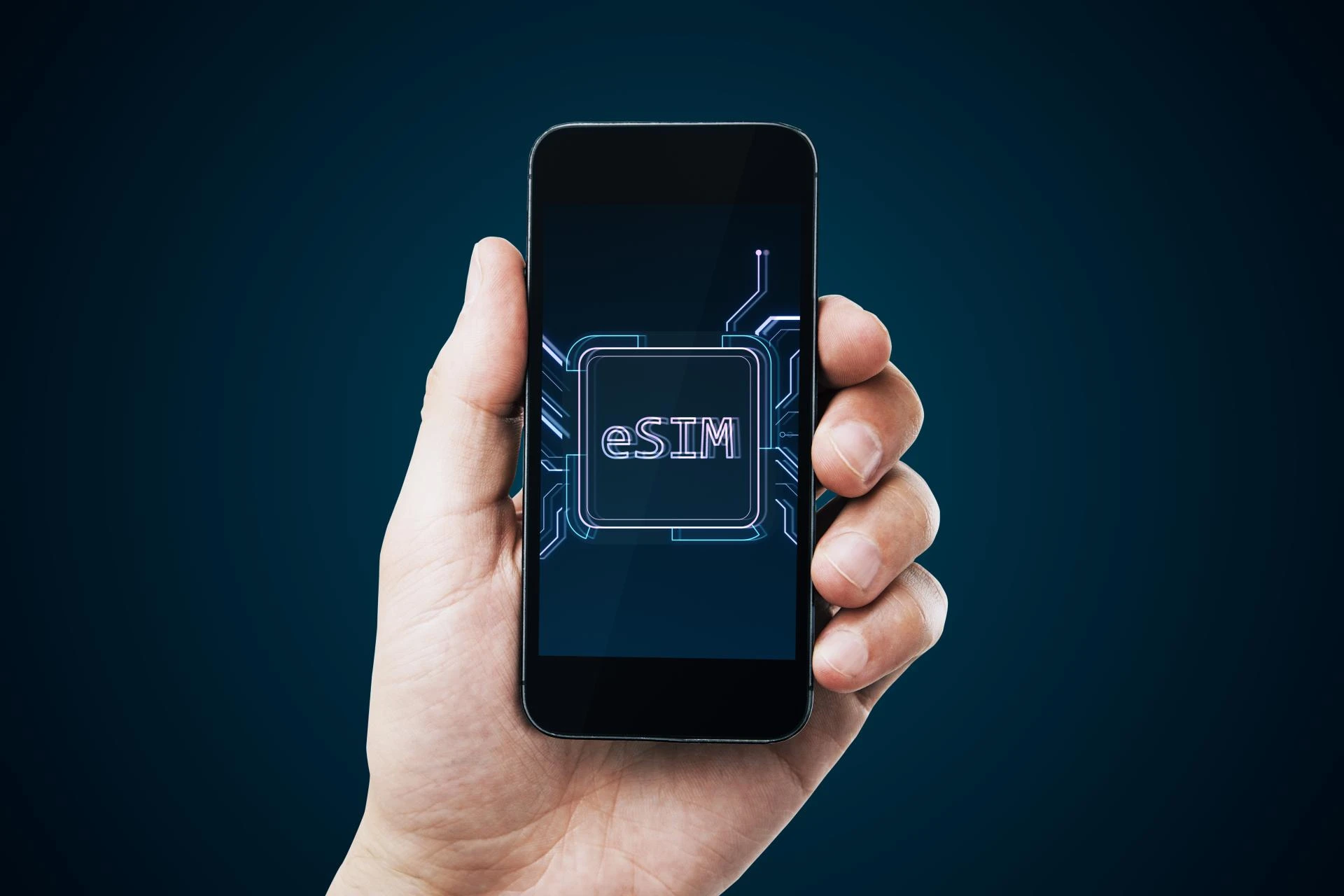
An eSIM (embedded SIM) is a digital SIM technology that lets you turn on a cellular plan without needing a physical SIM card. Many new smartphones, tablets, and smartwatches support this technology.
Global eSIM Plans give you connectivity in many countries often covering dozens or even hundreds of places. Travelers can enjoy smooth mobile service with just one activation, without having to swap physical SIM cards every time they enter a new country.
Advantages of Global eSIM Plans
1. Convenience and Simplicity
One of the main benefits of Global eSIM Plans is the elimination of physical SIM cards. Travelers no longer need to visit local stores or deal with SIM card compatibility issues. Activation is quick and typically done through an app or QR code.
2. Multi-Country Coverage
Global eSIM Plans are ideal for multi-country trips. A single eSIM plan can cover various regions, saving time and effort during border crossings.
3. Instant Activation
With eSIMS, you can activate a plan on arrival or even before departing for your destination. As soon as you get down, it makes sure that you are connected.
4. No Physical Storage Needed
Because an eSIM is just data, you do not need to worry about losing or scratching a physical one. Such a feature is beneficial for people who travel often and change smartphones often as well.
5. Flexibility in Plan Selection
Many eSIM providers allow you to choose from plans that include just data, or plans that include calls and texts.
Disadvantages of Global eSIM Plans
1. Device Compatibility
Not all devices support eSIM technology. While many flagship smartphones do, some older models and budget phones may not.
2. Cost
Global eSIM Plans can sometimes be more expensive than local SIM cards, especially for data-heavy users.
3. Limited Local Features
In some cases, Global eSIM Plans won’t give you a local phone number, so it’s harder to do things like make or get local phone calls.
4. Data Speeds
Depending on the provider, data speeds may not always be as fast as those offered by local SIM cards, particularly in rural or less developed areas.
Understanding Local SIM Cards
What is a Local SIM Card?
A local SIM card is a physical card purchased in a specific country to reach the mobile network within that area. Local SIM cards have been a popular choice for international passengers who are looking to save roaming fees.
Advantages of Local SIM Cards
1. Cost-Effective
Local SIM cards often provide the cheapest rates for calls, texts and data in a specific country. They are particularly cost effective for staying longer.
2. High-Speed Connectivity
Since local SIM cards are optimized for domestic networks, they often provide the best connectivity and fastest data speeds in the region.
3. Local Numbers
Many local SIM cards come with a local phone number, making it easier to call and get from local contacts.
4. Wide Availability
Local SIM cards in most countries are easily available at airports, convenience stores and mobile shops.
Disadvantages of Local SIM Cards
1. Inconvenience
A local SIM card requires finding a seller, navigating language obstacles, and sometimes providing identity.
2. Limited Use
A local SIM card works only in the country where it was purchased. For multi-country trips, travelers need to buy a new SIM card in each destination.
3. Physical Card Management
Travelers must manage physical SIM cards, including storing, swapping, and keeping track of them during trips.
4. Activation Delays
Activation processes vary by country and provider. Some cards require additional setup steps that may take time.
Key Factors to Consider
When deciding between Global eSIM Plans and local SIM cards, the best choice often depends on the specifics of your trip and personal preferences. Here are some factors to keep in mind:
1. Duration of Stay
For short trips or layovers, Global eSIM Plans are often more convenient. For extended stays in a single country, local SIM cards may offer better value.
2. Number of Destinations
If your trip includes multiple countries, a Global eSIM Plan is the clear winner in terms of convenience. Local SIM cards would require frequent replacements.
3. Budget
Travelers on a tight budget might find local SIM cards more economical, especially in countries with affordable mobile plans.
4. Device Compatibility
Ensure your device supports eSIM technology before considering a Global eSIM Plan. If not, local SIM cards may be your only option.
5. Data Needs
Consider how much data you’ll need. Heavy users should compare the data caps and costs of both options.
6. Local Integration
If having a local phone number is important, such as for booking services or staying in touch with locals, a local SIM card might be more suitable.
The Future of Connectivity
As the eSIM technology becomes more widespread, global eSIM plans are likely to become rapidly competitive. They provide a glimpse into a future where connectivity is easy and troublesome, allowing the physical SIM card requirement to be completely eliminated. However, local SIM cards are a reliable and cost-effective option, especially in areas where eSIM coverage is limited or data costs are high.
Conclusion
Choosing between Global eSIM Plans and local SIM cards depends on your travel style, device compatibility, and communication needs. For convenience, flexibility, and multi-country coverage, Global eSIM Plans are an excellent choice. However, if you prioritize cost savings and local network benefits, local SIM cards may better suit your needs.
Evaluate your priorities and the specifics of your trip to make an informed decision. With the right choice, you can stay connected and enjoy a hassle-free travel experience.