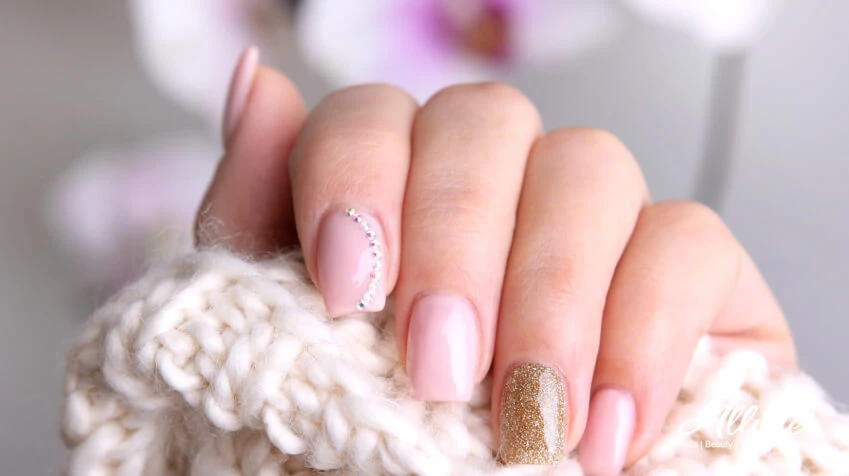
Whether you're preparing for a special occasion, maintaining your professional appearance, or simply treating yourself to some self-care, deciding to get your nails done can feel both exciting and overwhelming. With countless options available – from quick polish changes to elaborate nail art – understanding your choices, what to expect, and how to maintain your results will help you make the best decisions for your lifestyle, budget, and nail health.
Understanding Your Nail Service Options
When you decide to get your nails done, you're choosing from a variety of services that cater to different needs, preferences, and budgets. A basic manicure typically includes nail shaping, cuticle care, hand massage, and polish application. This classic service is perfect for maintaining healthy nails and achieving a polished look that lasts about a week.
Gel manicures have revolutionized the nail industry by offering chip-resistant color that can last 2-3 weeks. The gel polish is cured under UV or LED lights, creating a durable, glossy finish that maintains its appearance much longer than traditional polish. This option is ideal for people with active lifestyles or those who want long-lasting results without frequent touch-ups.
Acrylic nails involve applying a liquid and powder mixture over your natural nails or nail tips to create length and strength. These extensions can last 2-3 weeks before needing fills and offer unlimited possibilities for shape and length. Dip powder manicures combine some benefits of both gel and acrylic, providing durability without UV light exposure and often lasting 3-4 weeks.
For those seeking the ultimate in nail artistry, specialty services include hand-painted designs, 3D nail art, ombre effects, and seasonal themes. These services require more time and skill, making them pricier but perfect for special occasions or expressing your personal style.
Choosing the Right Nail Salon
Selecting a reputable salon is crucial for both the quality of your service and your health. Look for salons that prioritize cleanliness and sanitation – all tools should be properly sterilized between clients, and disposable items should be used when possible. The salon should have proper ventilation, clean workstations, and licensed technicians who can show their credentials upon request.
Read online reviews and ask friends for recommendations. Pay attention to comments about cleanliness, service quality, and how the salon handles any issues that arise. A good salon will be transparent about their processes and happy to answer questions about their sanitation procedures.
Consider the salon's atmosphere and whether it aligns with your preferences. Some people prefer quiet, spa-like environments, while others enjoy socializing in busier salons. The get your nails done experience should be relaxing and enjoyable, so choose a place where you feel comfortable.
Preparing for Your Nail Appointment
Proper preparation can significantly improve your nail service experience and results. Remove any existing polish at home using a gentle, acetone-free remover to save time and avoid the harsh chemicals often used in salons. If you're getting gel or acrylic removed, it's best to let professionals handle this process to minimize damage to your natural nails.
Moisturize your hands and cuticles daily in the week leading up to your appointment, but avoid applying lotion on the day of service as it can prevent polish from adhering properly. If you have any cuts, infections, or concerns about your nail health, address these before your appointment or discuss them with your technician.
Think about your lifestyle and choose colors and lengths that will work with your daily activities. While that dramatic stiletto shape might look amazing, consider whether it's practical for your work and personal life. Bring inspiration photos if you have specific designs in mind, but be realistic about what can be achieved in a single session.
What to Expect During Professional Nail Services
A professional manicure typically begins with nail shaping using files and clippers to achieve your desired length and shape. Your technician will then address your cuticles, either by pushing them back or carefully trimming excess skin. This step is crucial for nail health and achieving a clean, professional appearance.
The hand massage portion of your service isn't just luxurious – it improves circulation and helps relax the muscles in your hands and forearms. This is followed by nail preparation, which might include buffing, dehydrating, or applying base coats depending on your chosen service.
Color application varies by service type. Traditional polish involves base coat, 2-3 thin color coats, and topcoat. Gel services follow a similar process but with curing under lights between coats. The entire process typically takes 45-90 minutes depending on the complexity of your chosen service.
Maintaining Your Professional Manicure
Proper aftercare is essential for extending the life of your manicure and maintaining nail health. For the first 12-24 hours after gel or regular polish application, avoid activities that might dent or damage the finish. This includes hot showers, swimming, or heavy cleaning tasks.
Daily cuticle oil application keeps your nail beds healthy and can actually make your manicure last longer by preventing lifting at the cuticle area. Use gloves when cleaning, gardening, or doing dishes to protect your nails from harsh chemicals and excessive moisture.
If you notice minor chips or lifting, address them immediately to prevent the damage from spreading. Many salons offer quick touch-up services, or you can carefully apply a thin layer of topcoat over minor imperfections.
DIY Nail Care Between Professional Services
You don't have to get your nails done professionally every time to maintain beautiful nails. Investing in quality tools and learning basic techniques can help you extend the time between salon visits and keep your nails looking great.
Essential tools for at-home maintenance include glass or crystal nail files (which are gentler than metal files), cuticle oil, a good base coat and topcoat, and quality nail clippers. Learn proper filing techniques – always file in one direction rather than sawing back and forth to prevent splitting and weakening.
Weekly at-home maintenance might include applying cuticle oil, gently pushing back cuticles, and touching up your topcoat to restore shine and protection. This routine takes just a few minutes but can significantly extend the life of your professional manicure.
Budget-Friendly Ways to Get Your Nails Done
Professional nail services don't have to break the budget. Look for new client discounts, off-peak pricing (weekday mornings often cost less), or package deals that bundle multiple services. Some salons offer loyalty programs that provide discounts after a certain number of visits.
Beauty schools often offer discounted services performed by students under professional supervision. While appointments may take longer, the quality is typically quite good and the savings significant. Consider simpler services like basic manicures or single-color applications rather than elaborate nail art for regular maintenance.
At-home gel systems have become increasingly sophisticated and cost-effective for regular maintenance. While the initial investment in equipment might seem high, the per-application cost becomes very reasonable after several uses.
Nail Health Considerations
While getting your nails done regularly can be part of good self-care, it's important to give your natural nails breaks between services. Consider taking a week off between gel or acrylic applications to let your nails breathe and recover. During these breaks, focus on moisturizing and strengthening treatments.
Be aware of signs that indicate you should take a break from nail services, including thinning nails, persistent soreness, or changes in nail color or texture. If you experience any of these issues, consult with a nail professional or dermatologist before continuing with regular services.
Some people have allergies or sensitivities to nail products. If you experience redness, swelling, or persistent irritation after getting your nails done, you may need to switch to different products or techniques.
Seasonal and Occasion-Based Nail Choices
Consider timing your nail appointments strategically around seasons and special events. Darker, richer colors often work well for fall and winter, while brighter, lighter shades are popular for spring and summer. Holiday-themed designs should be planned in advance, as popular designs book up quickly during peak seasons.
For special occasions like weddings, graduations, or important business events, schedule your appointment 1-2 days in advance rather than the day of the event. This allows time for any necessary touch-ups and ensures your nails look perfect for your big day.
FAQs
Q: How often should I get my nails done professionally? A: This depends on the service type and your lifestyle. Regular polish manicures typically need refreshing weekly, gel manicures every 2-3 weeks, and acrylic or dip services every 2-4 weeks. However, some people prefer more frequent maintenance for consistently perfect-looking nails.
Q: Is it safe to get your nails done during pregnancy? A: Generally yes, but choose well-ventilated salons and inform your technician about your pregnancy. Some pregnant women prefer to avoid gel services due to UV light exposure, though research suggests the risk is minimal. Always consult your healthcare provider if you have concerns.
Q: What should I do if I'm not happy with my nail service? A: Speak up immediately if you notice issues during your appointment. Most reputable salons will fix problems at no charge if addressed within 24-48 hours. Take photos of any issues and communicate calmly with the salon management to resolve concerns.
Q: Can I get my nails done if I bite them or have very short nails? A: Absolutely! Professional manicures can actually help break the nail-biting habit by making your nails look too pretty to destroy. Nail technicians are experienced with all nail lengths and conditions, and can recommend appropriate services for your situation.
Q: How much should I tip when I get my nails done? A: Standard tipping for nail services is 15-20% of the service cost, similar to other personal care services. If you're extremely pleased with the service or have a regular technician who knows your preferences, you might tip on the higher end of this range.