Start by thinking about who is travelling and what each person needs. A family with young children may prefer fewer activities in one day, while adults travelling with older relatives may want to allow extra time for rest and movement. If family members have different interests, build a flexible plan rather than expecting everyone to enjoy the same activity for the same amount of time.
Ask each person to name one thing they would like to do during the trip. Children might want to explore somewhere new, while an older family member may be interested in local history or simply sharing a relaxed meal together. Once everyone has contributed an idea, select the activities that fit the length of the stay.
This small planning step helps a family holiday in Bharatpur feel shared from the beginning. It also reduces the chance that the itinerary becomes centred on only one person’s preferences. For accommodation details and current information, families can visit Mahal Khas Palace and contact the property with questions about their dates and group.
Choose a comfortable pace for different ages
Families often enjoy a trip more when the schedule includes both activity and downtime. Instead of filling every morning and afternoon, choose one main outing and leave space around it. That gives children a chance to recharge and allows adults to adjust if the group needs more time.
When planning an outing, consider how long it takes to reach the location, how much walking may be involved and whether everyone will have a chance to rest. Ask about visitor information before setting off, especially if someone in the group needs to plan around mobility, heat or a regular meal schedule.
A relaxed pace can prevent small challenges from becoming stressful. If a child becomes tired or an older relative wants a break, the family can adapt without feeling that the whole day has been lost. Keep a few simple alternatives in mind, such as returning to the hotel earlier or changing the order of activities.
Turn local history into a family conversation
Historic places can be interesting to children when adults make space for questions. Rather than giving a long explanation, invite everyone to notice details: the shape of a doorway, how a building may have been used, or how the city might have looked in another period. This makes history an active part of the visit.
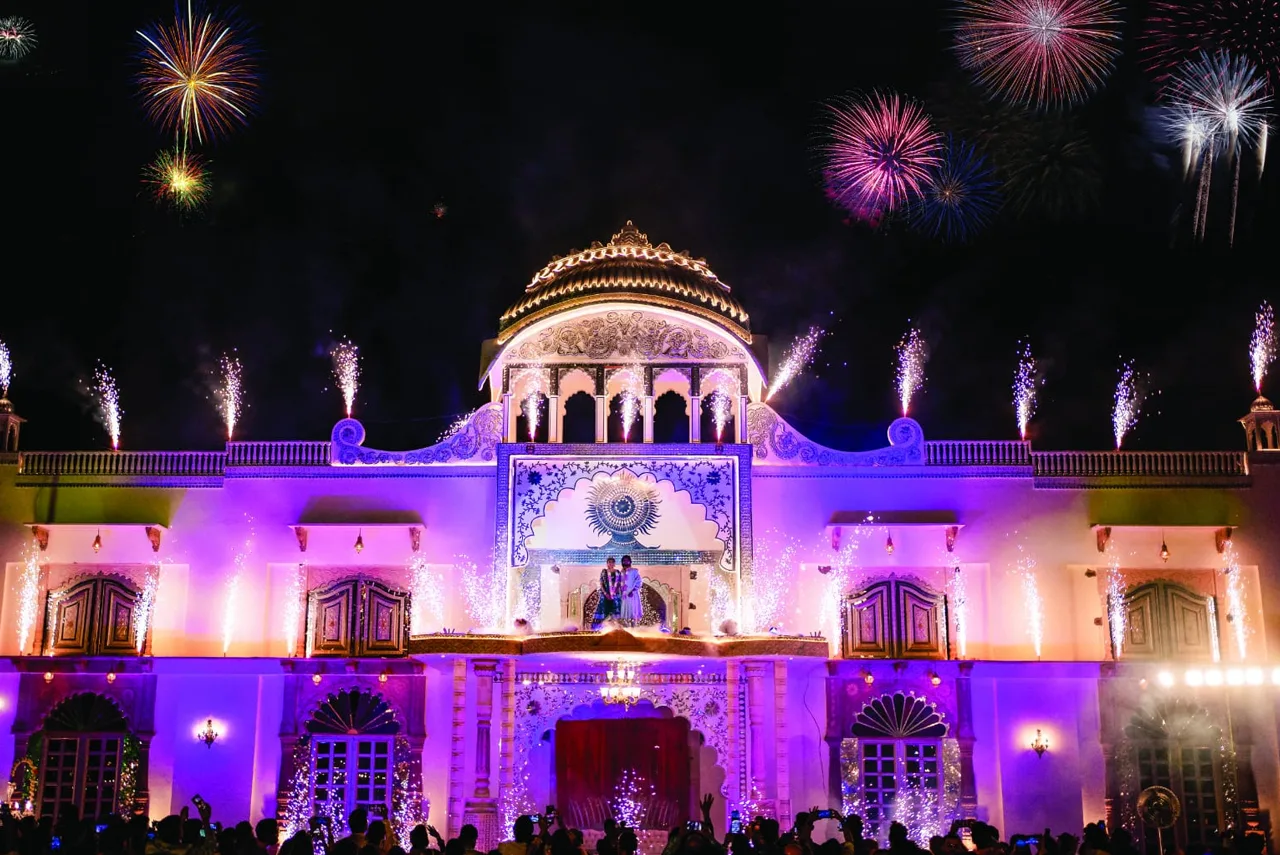
Mahal Khas Palace is located within Lohagarh Fort and dates to 1826. Families can use that as a starting point to talk about the past and how places change over time. If you want more detail about the palace, ask the property team for information they can share. Use reliable sources and avoid presenting unverified stories as facts.
Children can also make a simple travel journal. They might draw something they noticed, write down a question or choose a favourite moment from the day. Older family members can contribute memories or stories from their own travels. These small exchanges can help different generations connect.
Make room for different interests
Not every family member needs to do every activity. If the group has varied interests, plan a shared outing followed by time for people to choose their own pace. Some may want to explore more, while others may prefer a rest at the hotel.
Agree on practical details before splitting up. Decide when and where everyone will meet, ensure family members can contact one another and confirm the transport plan. If children are involved, keep the arrangements simple and make sure they know which adults are responsible for them.
A multi-generational trip can benefit from a shared meal or short gathering at the end of the day. Each person can talk about what they enjoyed or what surprised them. This lets family members share the experience even when they spent part of the day doing different things.
Keep meals and breaks easy to manage
Meal planning can make a noticeable difference to a family trip. Children and older adults may be more comfortable when meals and refreshments are not left until everyone is tired. Plan sensible breaks around outings and confirm dining arrangements that suit your group.
If anyone has dietary requirements, share them in advance with the relevant service provider and confirm what can be accommodated. Do not assume that a request has been noted unless you receive confirmation. For younger children, carrying a familiar snack can be helpful during travel, subject to venue and transport rules.
Meals can also become a relaxed part of the holiday. Instead of hurrying through every meal to reach the next activity, give the family time to talk. Shared meals often become a natural moment for children to ask questions and relatives to exchange stories.
Pack with the destination and season in mind
Before leaving, check the expected weather and pack accordingly. Comfortable footwear is useful for walking and exploring. Families travelling with children may also want to bring a small bag with essentials for the day, such as water, sun protection or any personal items a family member needs.
Keep travel documents and booking information organised. Make sure each adult knows the accommodation address and has the contact details for the property. If relatives are arriving separately, share the same confirmed instructions with everyone so no one is relying on an outdated message.
Pack a few items that help children stay occupied during travel or quieter parts of the day. A notebook, cards or a favourite book may be enough. Keeping the bag light makes it easier for the family to move around comfortably.
Give the stay its own family moments
A holiday does not have to be spent entirely outside the property. Families can make time for conversations, games, photographs or simply relaxing together. These quieter moments give everyone space to process what they have seen and enjoy being away from their everyday routines.
Consider creating one small family ritual for the trip. It could be sharing a favourite part of the day over dinner, taking a group photograph at the start of the holiday or letting each person choose one activity. Familiar rituals can help children feel settled and give adults something to look forward to.
Families comparing a heritage hotel in Bharatpur can check the property’s current information and ask about room arrangements for their group. It is helpful to share the number of adults and children, the dates of stay and any specific requirements when making an enquiry.
Prepare for changes without letting them derail the day
Travel plans can shift because of traffic, weather or changing energy levels. Leave a little flexibility in your itinerary and decide which activity is most important to the family. If plans need to change, it will be easier to choose what to keep and what to postpone.
Keep children informed in simple terms. If an outing is cancelled, offer a clear alternative rather than leaving them uncertain. Adults can also agree in advance on how to handle last-minute decisions so there is less discussion when everyone is tired.
A flexible plan does not mean being unprepared. Confirm key details before you travel, keep contact information available and know how to adjust the schedule. Preparation gives the family more freedom to respond calmly when something changes.
Help children remember the trip
Children often remember small details: a story, a favourite meal, a funny moment or a place they explored with someone they love. Give them opportunities to notice and talk about these experiences. Ask what they would tell a friend about the trip or which part they would like to repeat.
A family photo collection can also tell the story of the holiday. Include candid pictures alongside posed photographs, and invite children to choose a few favourites. When you return home, looking through the pictures together can help extend the memories of the trip.
Encourage children to be respectful visitors. Remind them to follow site rules, stay with the family and treat historic places carefully. This helps them understand that heritage sites are shared spaces that deserve care.
Create a visit that feels like your family
A family holiday in Bharatpur can be active, relaxed or a combination of both. The right approach depends on the people travelling, the time available and the experiences your family values. A historic setting, a manageable schedule and shared time can help turn a short break into a meaningful visit.
Mahal Khas Palace offers families the opportunity to stay within Lohagarh Fort in a property with a history dating to 1826. To explore the Mahal Khas Palace family stay, check the official website and confirm current details directly with the hotel.
Most of all, leave room for the moments you did not schedule. A conversation after an outing, a child’s unexpected question or a meal shared without rushing can become the part of the holiday that everyone remembers.