We are living in the "Attention Economy," and let’s be honest: our eyes are tired. Between remote work, social scrolling, and streaming TV, screen fatigue has hit an all-time high as we approach 2026. This creates a massive opportunity for a medium that doesn’t demand your eyes, only your ears.
Audio is experiencing a renaissance. From niche digital radio stations to live sports commentary and religious broadcasts, the demand for "listen-while-you-do" content is skyrocketing. However, the listener of tomorrow has high standards. They won’t tolerate static, buffering, or poor compression.
Building a Professional Sound Experience
If you want to build a loyal audience, the infrastructure you build upon matters just as much as the content you produce. You might have the best playlist or the most engaging talk show host, but if the stream drops when a listener drives through a tunnel, you’ve lost them.
This is why serious broadcasters are moving away from generic, free tools and investing in a dedicated live audio streaming service. A professional solution does the heavy lifting for you. It utilizes global Content Delivery Networks (CDNs) to ensure that a listener in London hears the broadcast with the same clarity and low latency as a listener in New York.
Furthermore, these platforms offer the crucial ability to monetize. Whether through dynamic ad insertion or subscription-gated content, owning the platform allows you to own the revenue, rather than splitting it with a tech giant.
The Hybrid Approach: When Audio Meets Video
While audio is powerful, the most successful media strategies in 2026 are often hybrid. We are seeing the rise of "Visual Radio," where studios broadcast the audio feed to commuters while simultaneously streaming a video feed of the DJ or host to smart TVs and desktops.
It is about meeting the audience where they are. A robust media infrastructure allows you to scale. You might start with audio, but having a backend that also supports enterprise-grade video streaming hosting ensures you don't have to migrate your entire library when you decide to expand your format.
Final Thoughts
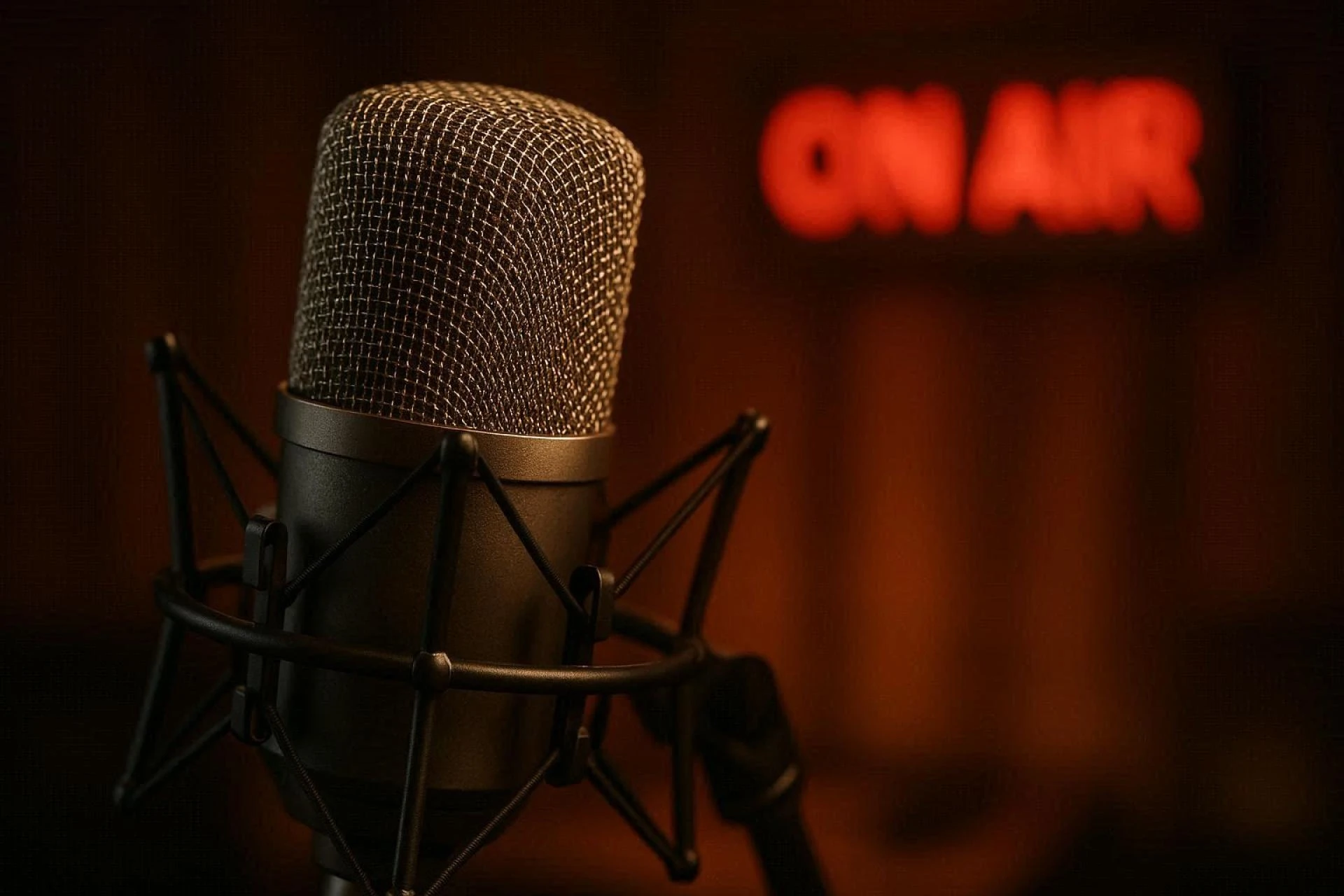
The intimacy of voice is unmatched. It feels personal, immediate, and authentic. As we move forward, the technology that delivers that voice needs to be invisible. It should just work. By choosing the right streaming partners, you ensure that your message cuts through the noise, delivering a crystal-clear experience every time the "On Air" light turns on.