
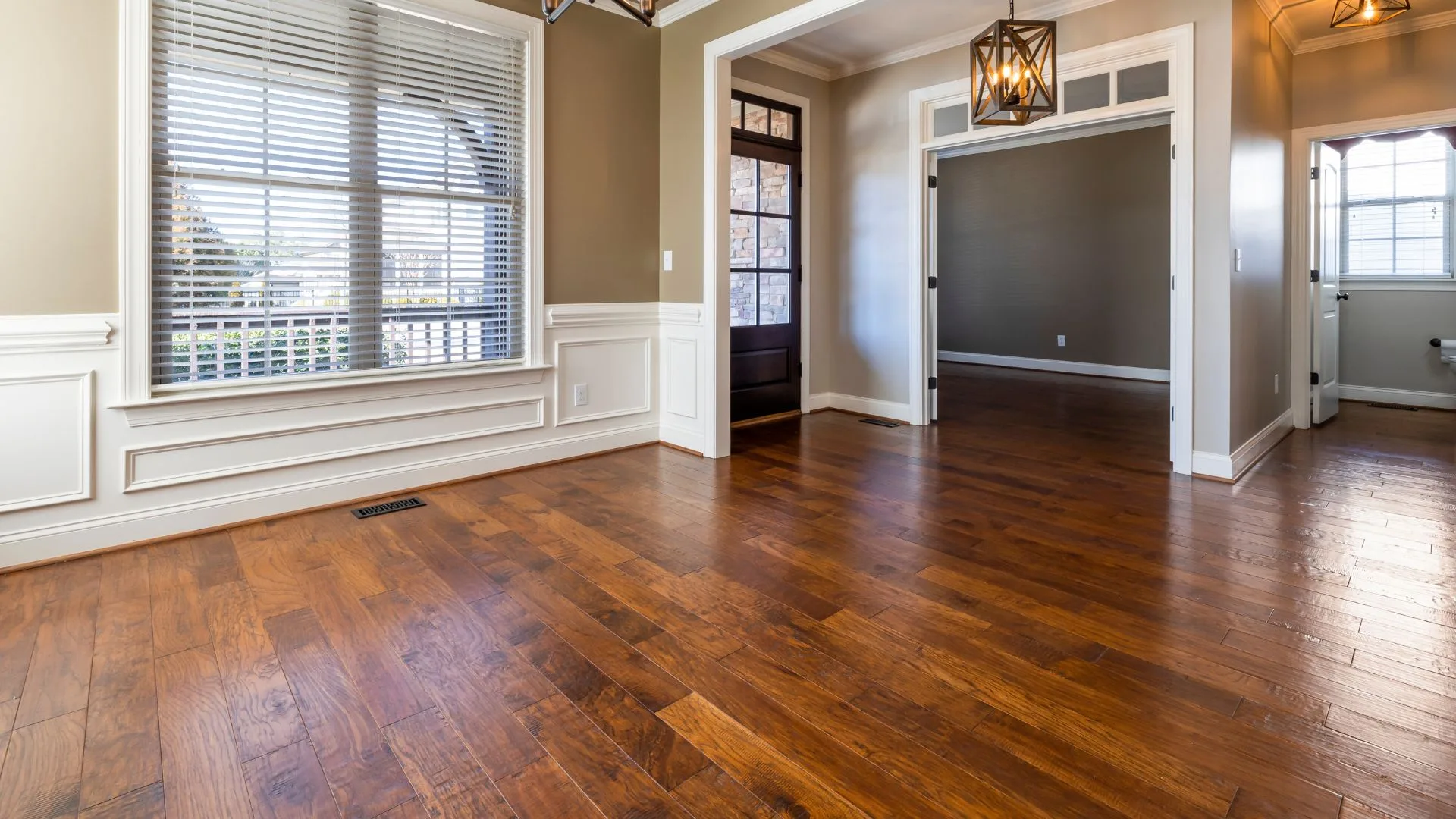
Floor Repair vs. Replacement depends on the extent of damage, flooring material, age of the floor, moisture exposure, and condition of the subfloor. Minor scratches, isolated stains, loose tiles, or a few damaged planks can often be repaired. Replacement may be more suitable when damage is widespread, flooring is severely worn, or moisture and structural problems have affected a large area.
When Is Floor Repair the Better Choice?
Floor Repair services are often appropriate when damage is limited to a small or specific section. For example, hardwood floors with a few damaged boards, laminate with broken planks, cracked tiles, or small areas of damaged vinyl may not require complete replacement.
Repair can also preserve flooring that is still in good condition throughout most of the room. However, the cause of the damage should be identified first. Fixing a damaged surface without addressing the underlying issue can lead to recurring problems.
Common reasons for localized floor damage include:
- Scratches and dents
- Pet damage
- Stains
- Cracked or loose tiles
- Damaged planks
- Small areas of water damage
- Squeaky or uneven sections
When Is Floor Replacement Necessary?
Replacement becomes more practical when the damage is extensive or the existing flooring has deteriorated significantly. Widespread water damage, severe warping, repeated cracking, extensive wear, or major subfloor problems can make repairing individual sections less effective.
Older flooring can also be difficult to repair when matching materials are no longer available. Even when replacement is not required for structural reasons, homeowners may choose it when they want to change the flooring style, material, or layout during a larger renovation.
Consider the Subfloor Before Deciding
The subfloor is an important part of the decision. Flooring installed over an uneven, weakened, or moisture-damaged subfloor may continue to develop problems even after the visible flooring is repaired.
Signs of possible subfloor problems include:
- Soft or spongy areas
- Uneven surfaces
- Persistent squeaking
- Movement when walking
- Sagging sections
- Repeated flooring damage
A professional inspection can determine whether the problem is limited to the finished flooring or extends underneath it.
Repair vs. Replacement: Key Factors
Before making a decision, consider these factors:
Extent of damage: A small damaged area may be repairable, while widespread damage may require replacement.
Flooring material: Hardwood, laminate, vinyl, tile, and carpet each have different repair methods and limitations.
Age of flooring: Older flooring may have reduced durability or may be difficult to match.
Moisture: Water damage requires attention to both the flooring and the source of moisture.
Future plans: If a room is already scheduled for remodeling, replacement may be considered as part of the larger project.
Cost and longevity: A repair may require less material, but repeated repairs can become less practical if the floor continues to deteriorate.
Final Takeaway
The decision between Floor Repair vs. Replacement should be based on the type and extent of damage, flooring material, moisture conditions, subfloor stability, age, and long-term goals. Floor Repair services can work well for localized damage, while replacement may be appropriate when problems are widespread or the existing flooring has reached the end of its useful life. A professional assessment can help determine which approach is suitable for a Parkersburg home.
FAQs
Is floor repair always cheaper than replacement?Not necessarily. Repair costs depend on the flooring material, damage, labor, and availability of matching materials. Extensive repairs may approach the cost of replacement.
Can water-damaged floors be repaired?
Sometimes. The moisture source must be corrected first. The flooring and subfloor should then be evaluated to determine whether affected sections can be restored.
How do I know if hardwood needs repair or replacement?
Localized scratches or damaged boards may be repairable. Widespread warping, severe deterioration, or extensive moisture damage may require replacement.
Should the subfloor be checked before replacing flooring?
Yes. Installing new flooring over a damaged or uneven subfloor can cause problems with the new surface. Checking the subfloor can help identify issues before installation.