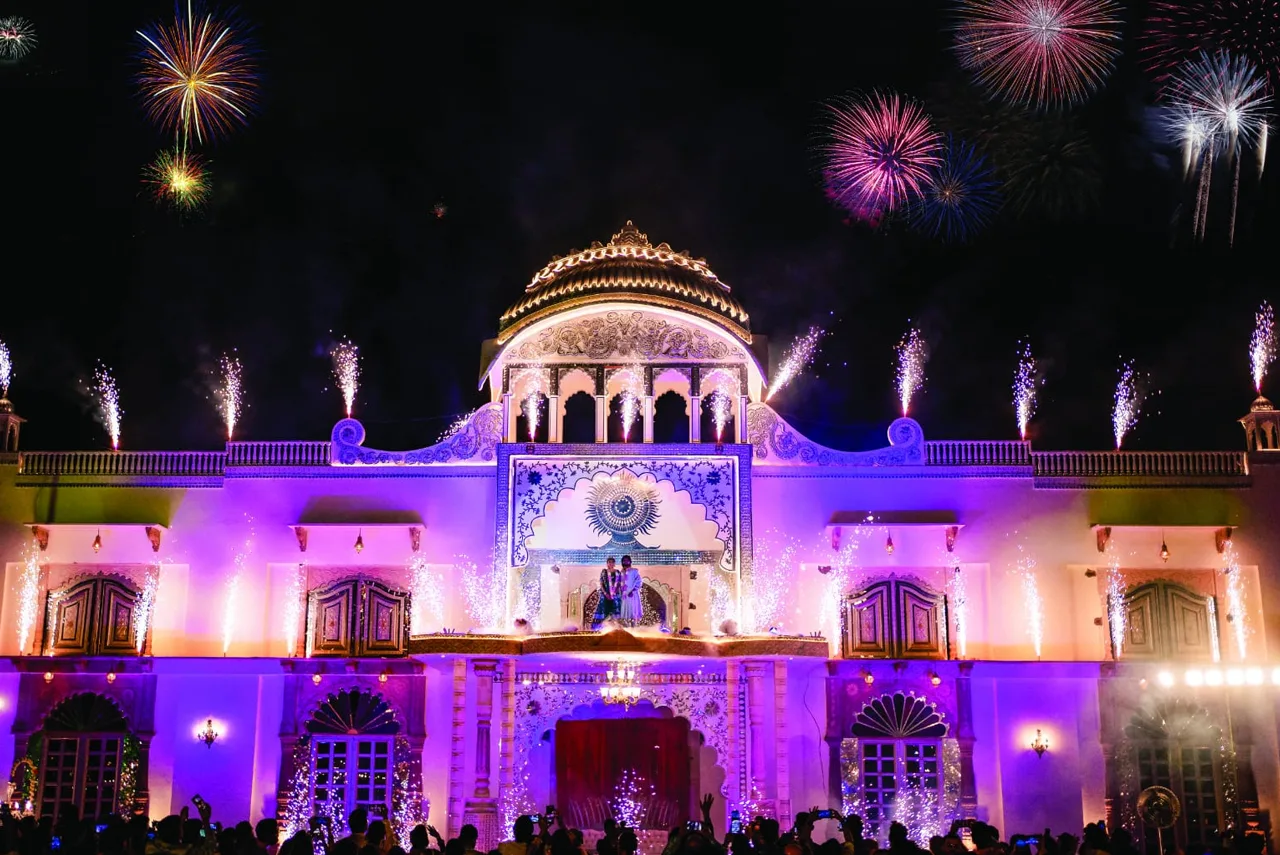
A Heritage Wedding in Jaipur Can Be Remembered Through More Than Photographs
A heritage wedding in Jaipur can be remembered through the details guests experience in the moment: the sound of a welcome, the warmth of evening light, the feel of a patterned textile and the taste of a familiar dish served in a new setting. Photography preserves what the celebration looked like. Sensory details help people recall how it felt.
This does not mean every part of the wedding needs a dramatic design treatment. A more considered approach is to choose a few details that work together and let the setting contribute its own character. When sound, light, texture, food and timing support the same mood, the celebration can feel coherent without becoming overproduced.
Start with the Sound of the Celebration
Sound is often one of the first things guests notice. It may be a musician welcoming people, a familiar family song or the quieter atmosphere of a small gathering before the main event. The choice depends on the function and the people attending it.
Think about volume as well as music selection. During a welcome gathering, guests may want to talk and catch up. A live performance or playlist can add warmth without taking over the room. At a ceremony, music can mark the transition from conversation to a more focused moment. For a larger evening event, the sound plan may need to consider the venue, the programme and the comfort of guests who prefer a quieter space.
Discuss the timing and transitions with the people managing the music. A song that begins too early can interrupt an important conversation; a pause at the right moment can give a ritual greater meaning. The aim is not to fill every silence. Some quiet moments help guests pay attention to what is happening.
Use Light to Mark the Change from Day to Evening
Light can shift the mood of a wedding across the day. Daytime ceremonies may benefit from a clear, uncluttered arrangement, while an evening gathering can use softer lighting to create a more intimate atmosphere. The natural changes in light in Jaipur can also influence when and where different moments work best.
Plan the ceremony timing with the venue team and photographer. Consider whether the important rituals will take place in bright sunlight, shade or after sunset. Make sure the couple, officiant and guests can see the proceedings comfortably. Decorative lighting should support that practical need as well as the visual mood.
A Jaipur wedding celebration may include several distinct functions, so use light to help guests understand when the atmosphere is changing. A bright, open arrangement can suit a daytime family gathering. A warmer glow can signal a more relaxed evening. The transitions do not need to be dramatic; they only need to feel intentional.
Choose Textures That Have a Reason to Be There
Textiles, flowers, table settings and printed materials all add texture. Instead of layering many unrelated materials, select a small palette that connects with the couple’s story or the setting. A textile used in the welcome area might appear again in the ceremony details. A colour from a family heirloom could guide the invitations or table accents.
Textures can also help define different areas. A seating arrangement with comfortable cushions may encourage guests to stay and talk. A simple runner or floral detail can make a welcome table feel distinct from the rest of the room. These decisions work best when they serve a purpose as well as a design.
Ask how each element will be used, where it will be placed and whether it will still work once guests arrive. A beautiful display can become an obstacle if it blocks a route or makes it difficult to see the ceremony. Good design supports the movement of the event.
Let Food Carry a Sense of Place
Food can connect guests with a destination and with family traditions. A wedding menu might include dishes that guests know well, regional flavours they have not tried before or a particular item that has a personal story behind it. The menu does not need to be a catalogue of local cuisine; a few thoughtful choices can be more memorable than too many unfamiliar ones.
Consider the full experience of the meal. Guests may be standing, moving between events or arriving at different times. Match the food service to the function: a lighter option at a welcome gathering, a more substantial meal when the schedule allows people to sit, and refreshments available when there is a long interval.
Remember dietary needs. Collect this information before the wedding and pass it to the relevant team. Label options clearly so guests do not need to ask publicly about ingredients. A considerate menu accounts for both celebration and comfort.
Make Space for the Pace of Each Function
The atmosphere of a wedding depends partly on how quickly it moves. A packed schedule can leave guests with little time to talk, eat or rest. A slower pace can create space for meaningful interactions, but only if the programme is clear enough that guests know where they need to be.
Look at the weekend as a sequence rather than a list of events. Ask whether guests have enough time to move between functions, change clothes and take a break. If one function is designed to be lively, the following event may benefit from a calmer opening. If a ceremony is emotionally important, avoid rushing guests away immediately afterward.
A 5-Star resort in Jaipur can bring accommodation and wedding events together in one setting. Even then, share the schedule and directions clearly. Guests should be able to enjoy the surroundings without worrying that they have missed the next moment.
Create a Sensory Thread, Not a Theme for Everything
A wedding does not need one motif repeated on every surface. It may be enough to carry a visual colour through the invitations and flowers, use a particular musical cue before the ceremony and serve one meaningful family dish. These small connections can make the celebration feel personal without making every choice look coordinated.
The couple can begin by choosing three words for the experience they want guests to have—perhaps welcoming, vibrant and unhurried. Use those words to guide decisions. If a design element does not support the chosen mood or solve a practical problem, it may not need to be included.
Give Guests Moments They Can Take In
Not every memorable moment has to be a performance. Guests may remember the first time they see the ceremony space, a toast that brings both families together or a quiet pause after a ritual. Give these moments room to happen. Avoid placing instructions, photographs and announcements on top of each other.
A wedding’s sensory character comes from many connected decisions. When sound allows conversation, light supports the ceremony, textures have meaning, food suits the occasion and the timing leaves room to breathe, the setting becomes part of the story.
The goal is not to make guests notice every detail. It is to create an atmosphere they can settle into. Long after the flowers have been cleared and the music has stopped, that feeling may be what stays with them.