An unexplained rash has a way of taking over your attention completely. You find yourself checking it every hour, wondering whether it looks better or worse than it did that morning, and quietly running through a mental list of everything you touched, ate, or wore in the past week trying to figure out what caused it. When the guessing game drags on without answers, it is usually a sign that professional help is overdue.
This article walks through why rashes can be so tricky to identify on your own, what a thorough evaluation actually involves, and how to know when a more comprehensive approach might serve you better than a single quick appointment. We will also look at how internal health factors sometimes play a bigger role in stubborn rashes than most people expect.
A Rash Is a Symptom, Not a Diagnosis
It helps to think of a rash the same way you would think of a cough. A cough on its own does not tell you whether someone has a cold, allergies, asthma, or something more serious, since the same symptom can stem from a wide range of very different underlying causes. A rash works exactly the same way, showing up as redness, bumps, or irritation regardless of whether the actual cause is an allergy, an infection, a reaction to a product, or an internal health issue expressing itself on the skin.
This is precisely why identifying the specific type of rash matters so much before jumping into treatment. Applying a generic cream to calm the surface without understanding the underlying cause is a bit like taking cough drops for a cough caused by a lung infection, offering temporary comfort while doing nothing to resolve what is actually happening underneath.
The Many Possible Categories Behind a Rash
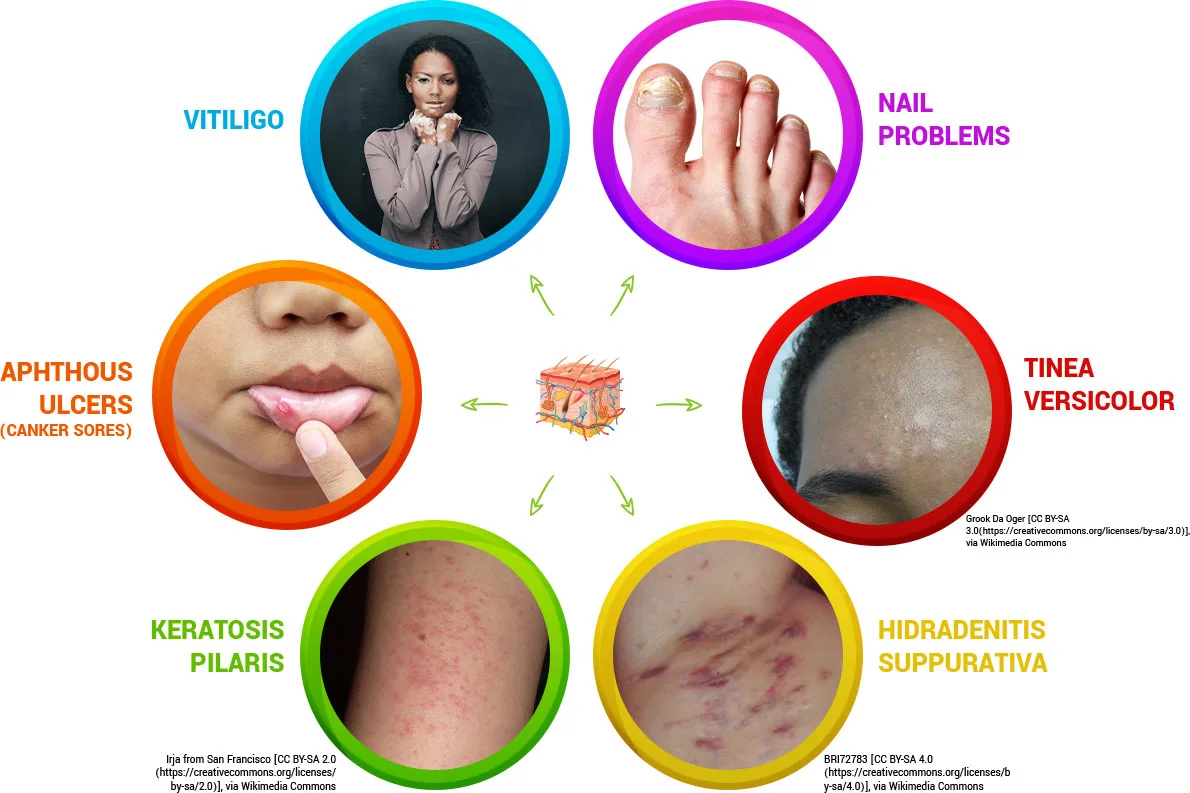
Rashes generally fall into a handful of broad categories, each requiring a different treatment approach. Contact rashes develop when skin reacts to something it touched directly, such as a new detergent, lotion, or plant. Allergic rashes occur when the immune system reacts to something ingested or inhaled rather than touched. Autoimmune related rashes stem from the immune system mistakenly targeting the body's own skin cells, while infectious rashes result from bacteria, viruses, or fungi actively present on or beneath the skin.
Distinguishing between these categories at home is genuinely difficult, since many rashes look remarkably similar despite having completely different root causes. This overlap is exactly why self diagnosis so often leads people in circles, trying product after product without ever addressing the actual source of the problem.
Why the Immune System Sometimes Gets It Wrong
A useful way to picture certain rashes is imagining an email spam filter that has become miscalibrated, either blocking messages that should have gone through or letting genuinely harmful ones slip directly into your inbox unchecked. In much the same way, your immune system is meant to filter out real threats while ignoring harmless substances, but sometimes that filtering process misfires, treating something completely harmless as dangerous and triggering an inflammatory reaction on the skin as a result.
This miscalibration explains why some people develop rashes from substances that never bother most other people at all. The issue is not necessarily the substance itself but how a particular immune system has been trained, or mistrained, to respond to it.
What a Thorough Evaluation Actually Involves
Working with a skilled rash dermatologist in Los Angeles typically starts with a detailed conversation about when the rash appeared, what it looked like initially, and anything that changed around that same time, including new products, medications, foods, or environmental exposures. A close physical examination often follows, sometimes supported by patch testing to identify specific allergens triggering a contact reaction.
In cases where an infection or autoimmune process is suspected, additional testing such as skin scrapings, bloodwork, or occasionally a small biopsy may be recommended to confirm exactly what is driving the reaction. This thorough process matters enormously, since treating the wrong underlying cause can prolong discomfort for weeks or months without any real improvement.
When Something Deeper Is Feeding the Reaction
Certain persistent rashes behave a bit like a sauce that curdles no matter how carefully you follow the recipe, hinting that something beneath the surface, perhaps an ingredient reacting unexpectedly with the heat, is throwing off the entire process even though everything looks fine at first glance. Chronic inflammation, gut related imbalances, and even ongoing stress can all act as that hidden ingredient, quietly influencing how reactive your skin becomes to everyday triggers.
Recognizing this connection matters most for rashes that keep returning despite consistent avoidance of any obvious trigger, since it suggests the issue may be originating from somewhere other than direct skin contact alone.
Considering a More Complete Approach
For rashes that resist standard treatment or keep recurring without a clear external cause, working with an integrative dermatologist in Los Angeles can open up a broader investigation. Rather than focusing solely on the skin, this kind of provider tends to examine diet, gut health, and overall inflammation as potential contributors to a stubborn or recurring pattern.
Dr. Greenberg often points out that chronic, treatment resistant rashes frequently have an internal component that topical treatment alone cannot fully resolve, since calming the surface reaction does little if whatever is driving increased skin reactivity remains unaddressed. Combining direct skin treatment with attention to these broader factors tends to produce more lasting improvement than repeatedly treating flare after flare in isolation.
Everyday Habits That Support Healthier Skin
While professional evaluation matters most for identifying the actual cause, certain daily habits can support your skin regardless of what is triggering your rash. Choosing fragrance free, gentle products reduces unnecessary exposure to common irritants, while keeping a simple journal of new products, foods, or environmental changes can help you and your provider spot patterns more easily.
Managing stress also plays a supporting role, since elevated stress hormones can heighten skin sensitivity and make existing rashes feel more irritated and slower to heal. Simple habits like consistent sleep and regular movement can meaningfully support whatever treatment plan you and your provider decide on together.
Common Misunderstandings Worth Addressing
Many people assume that any rash showing up after using a new product must be caused by that product, when timing alone does not always confirm cause, since some rashes coincide with product changes purely by chance. Others believe that a rash which responds to hydrocortisone cream must be minor and not worth further investigation, even though temporary improvement does not rule out a more significant underlying issue that could return or worsen later.
There is also a common assumption that recurring rashes simply reflect sensitive skin and nothing more. While some people genuinely do have more reactive skin than others, recurring rashes deserve proper evaluation rather than automatic dismissal, since an identifiable and treatable cause is often hiding behind what initially seems like unexplained sensitivity.
Deciding When to Seek Professional Help
If a rash clears up within a few days and does not return, there may be little reason for concern. If it persists beyond a couple of weeks, keeps coming back, or is accompanied by symptoms like fever, swelling, or significant discomfort, seeking a professional evaluation becomes far more important than continuing to guess.
There is no need to keep cycling through creams indefinitely when a proper diagnosis can often provide clarity and a genuine path toward resolution.
Bringing It All Together
A stubborn or unexplained rash can feel disproportionately frustrating for something that seems, on the surface, like a relatively minor issue. Whether your case turns out to be a simple contact reaction or something requiring a deeper investigation into internal health factors, real answers and effective treatment genuinely exist beyond another round of guesswork.
With the right diagnostic process and a provider willing to look beyond the surface when needed, even the most persistent rashes usually have a clear, addressable explanation waiting to be found.