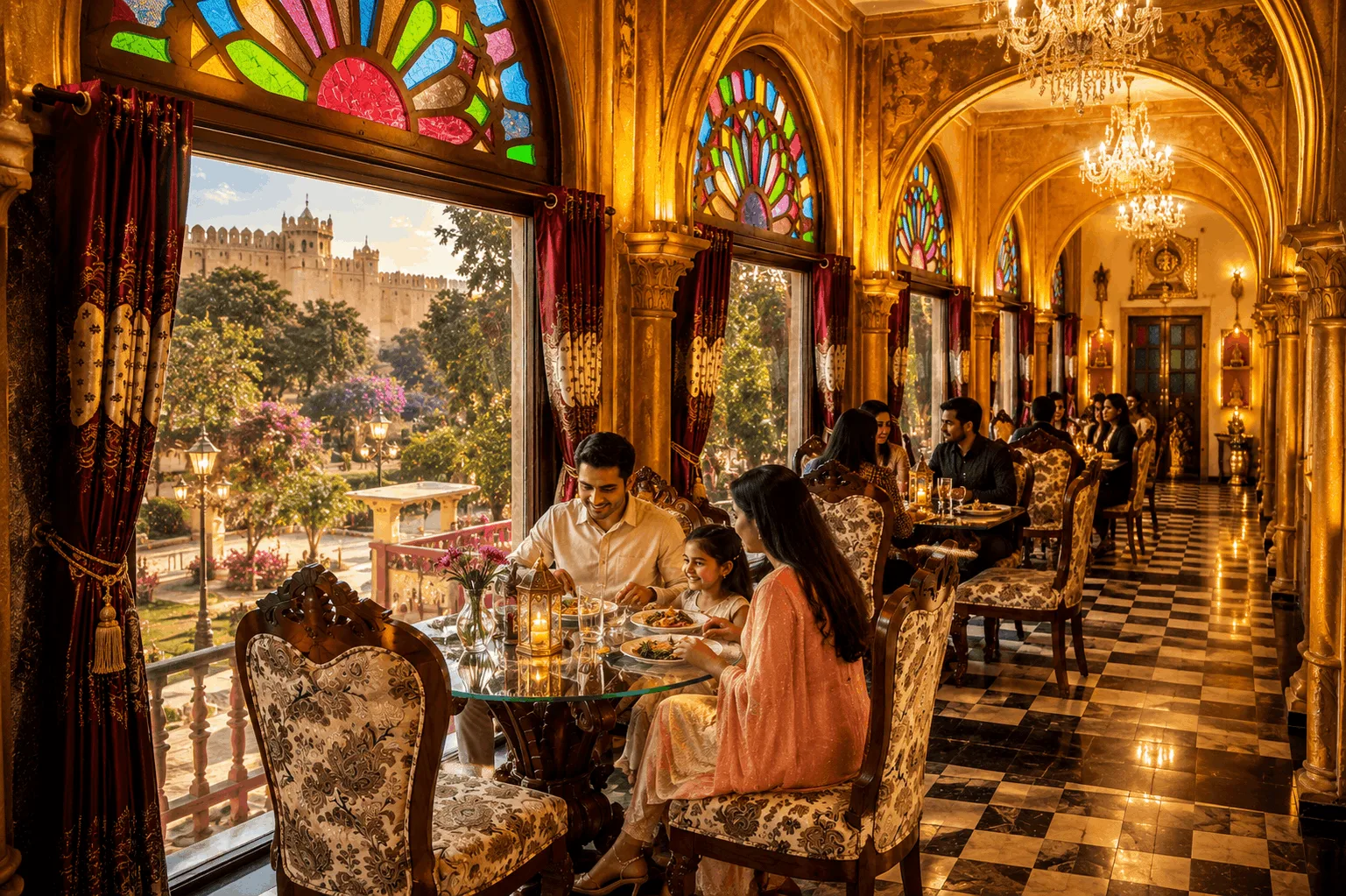
Family festive dining in Bharatpur can be more than a meal at the end of a busy day. It can become a map of the relationships and memories that bring people to the same table. One relative remembers a favourite family occasion; another has just moved to the city; the children are discovering stories they have never heard. A thoughtful dinner gives those different generations a place to connect.
Instead of planning a formal programme, build the gathering around a few shared moments. Let the food, conversation and familiar faces do most of the work. Townhall Restaurant in Bharatpur offers indoor, outdoor and rooftop settings, as well as group dining. Confirm which arrangements are available for your date and group before inviting everyone.
Family festive dining in Bharatpur begins with a memory
Start the map with one question: What is a family story people enjoy telling? It might be a memory from a past festival, a recipe associated with a relative or a small tradition that has continued over the years. Choose one story to introduce the gathering, then let other people add their own memories if they wish.
The aim is not to put anyone on the spot. Some relatives enjoy speaking to a group; others prefer to listen. A host can share a brief memory or invite a family member who has already agreed to tell a story. Keep the opening short, then return the focus to the meal and conversation.
A family festive meal in Bharatpur can bring together relatives who live nearby and those visiting during the season. If some guests do not know one another well, the shared story gives them an easy starting point. It can also help younger family members understand why particular traditions matter to the people around them.
Seat the table like a map of connections
Think of each seat as a meeting point. Families often default to familiar seating: the same people sit together every time. For a special gathering, the host can make a few thoughtful changes so different branches of the family have a chance to talk. Mix relatives who may enjoy one another’s company, but avoid separating guests from someone who helps them feel comfortable.
Consider age, mobility and the shape of the group. Older relatives may appreciate a convenient seat with an easy route to the dining area. Parents may prefer to sit where they can keep an eye on children. Guests who have travelled may want a little room to settle in. Ask the restaurant about the group layout and share any specific seating needs in advance.
Do not try to control every conversation through a seating chart. A seating plan is a tool for comfort, not a guarantee that everyone will talk. Leave room for guests to move, greet relatives and catch up after dinner begins. If the group is small, a single table can encourage a shared conversation. If it is larger, the host can introduce people across the different seating areas.
Invite children to add a page to the map
Children can help make the gathering feel like a family event, not just an adult dinner. Give them a simple role that fits their age: they can choose a family photograph, draw a favourite celebration memory or ask an older relative a question they have prepared. Keep it optional and short. Children should not have to perform for the group.
A quiet activity can help younger guests stay engaged while adults talk. If you are planning one, check with the restaurant about what is suitable for the space. Avoid bringing materials that could disrupt other guests or the restaurant’s arrangements. Parents know what works best for their children, so share the plan with them ahead of time.
The activity can also create a bridge between generations. A child might ask, “What did you eat at festivals when you were young?” or “Which family celebration do you remember most?” The answer may lead to stories that adults have not heard in years. Give the conversation room to wander naturally.
Let the menu conversation stay practical
Food can be an important part of festive gatherings, but avoid making promises about dishes before confirming what is available. Contact Townhall to ask about the current menu, group options and how dietary requirements can be handled. Share allergies or specific needs clearly and early. Do not assume that a dish is suitable based on its name alone.
If the family has a favourite festive dish or regional preference, mention it when enquiring, then ask what the restaurant can accommodate. The idea is to make the meal feel considered while respecting what the kitchen can provide. If a request cannot be met, communicate that to guests in advance and discuss alternatives.
Make the timing work for the family. Children may become restless if dinner begins too late, while older relatives may prefer an earlier gathering. Guests travelling from different areas may need a realistic arrival window. Ask the restaurant what timings are feasible for your group and plan around the answer.
Choose a setting that supports conversation
A family memory is easier to share when people can hear one another. Townhall has indoor, outdoor and rooftop dining options; the best fit depends on the date, weather and group size. Ask which options are open for your event and how the seating will be arranged. A space that looks appealing in a photograph may not be the most comfortable for a long family meal.
For an indoor arrangement, ask whether the group can be seated together and how the space feels for conversation. For outdoor or rooftop dining, confirm weather considerations and what alternative arrangements might be available if conditions change. If anyone in the family needs easier access, mention that when booking and verify the route to the selected area.
A festive family gathering at Townhall does not need elaborate décor to feel personal. A few photographs, a table card with a family memory or a simple welcome can be enough. Ask before bringing decorations and confirm what the venue permits.
Add one “memory prompt,” not a full programme
A prompt can help the evening begin without turning it into a scheduled show. Place one question at the centre of the table or ask the host to introduce it after guests arrive. Examples include: “Which festival moment from childhood do you still remember?” or “What is one small thing that makes a celebration feel like home?”
Keep the prompt open-ended and inclusive. Avoid questions that depend on a particular family history or could make someone uncomfortable. Guests should be free to pass. If the conversation is already flowing, skip the prompt and let the gathering continue naturally.
Photos can also become prompts. Choose a few images from earlier family events and ask who remembers the moment. Make sure the photographs are appropriate to share with everyone at the table. If relatives want to tell the story behind a picture, let them do so without rushing to the next activity.
Help visiting relatives feel included
Festive gatherings often bring together people who do not see one another frequently. A visiting relative may not know the latest family updates, while a new partner or friend may be meeting everyone for the first time. The host can help by greeting guests personally, introducing them to a few relatives and explaining any family tradition they may not know.
Avoid private jokes that leave newcomers out for long stretches. Familiar stories are welcome, but invite the new guest into the conversation by explaining the context. A small gesture—asking about their journey or seating them with someone who shares an interest—can make them feel part of the group.
If the gathering includes several households, decide who will welcome guests and who will help with practical questions. The organiser should not have to manage every detail alone. Share the final timing, location and contact information in one message so everyone knows what to expect.
Close the evening with a memory to carry home
A family dinner can end with a simple shared moment: one photograph, a brief thank-you or a sentence from each person about what they enjoyed. Do not force everyone to speak. The host can simply thank the group and mention how much it means to gather.
After the event, share photographs privately and check before posting images publicly. Send a short message to relatives who travelled, especially those who helped organise the gathering. If someone told a story that stayed with you, mention it. Specific thanks make the farewell feel sincere.
The memory map does not need to be elaborate. It is made from small connections: an older relative’s story, a child’s question, a seat beside someone new and enough time to talk. Plan the group size, timing, seating and dietary needs with Townhall in advance. A thoughtful family festive dinner in Bharatpur can give relatives a shared place to reconnect and create the next story together.