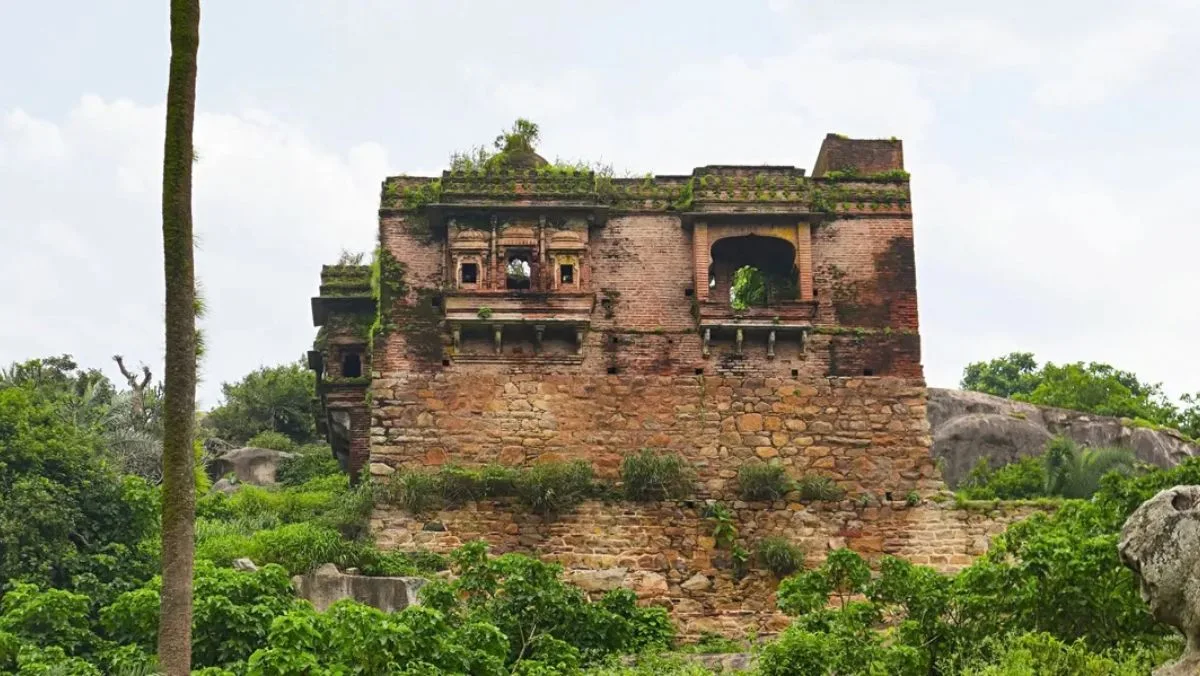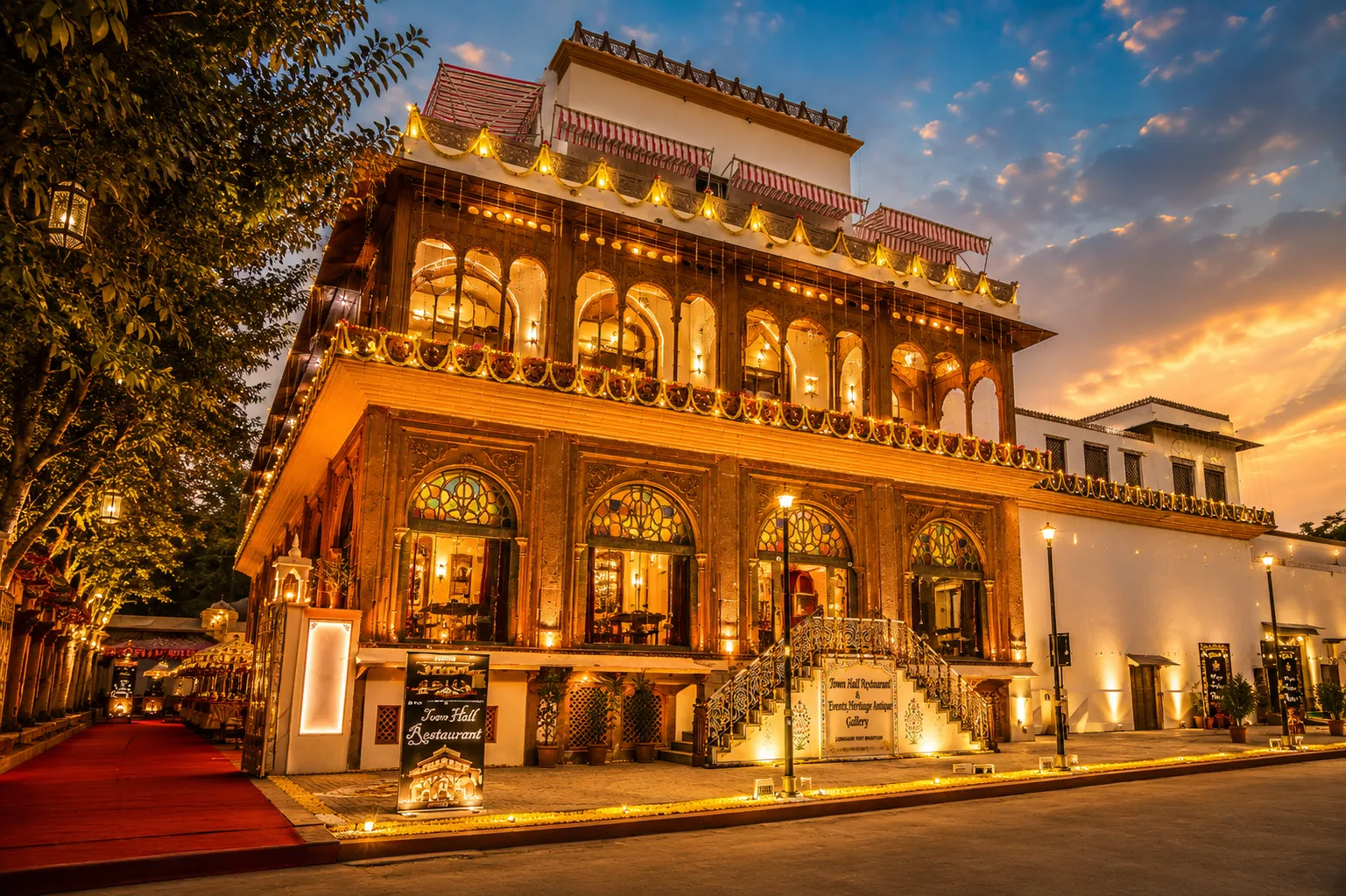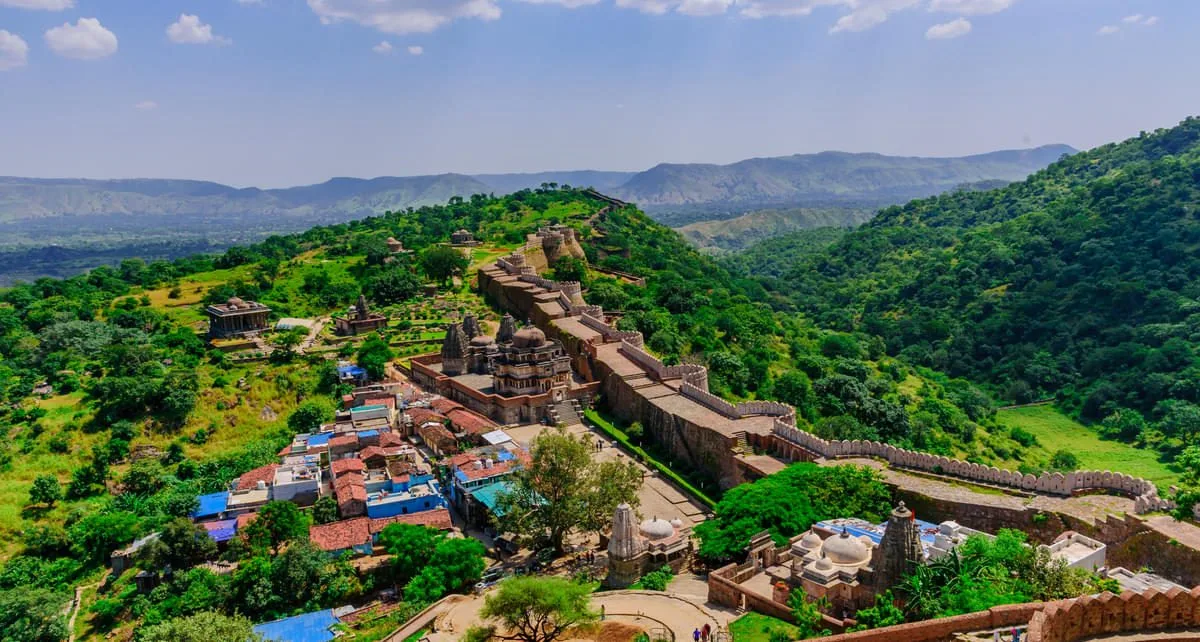
Rajasthan packs centuries of living heritage, desert legends, and architecture into western India. Five days might feel short for an entire state, but this concentrated overland route connects the regal forts of Jaipur, the sacred waters of Pushkar, and the cliffside citadel of Jodhpur without spending entire days trapped behind the windshield.
Planning a compact journey across state corridors requires ground-level logistical precision. Aligning your schedule with a seasoned tour operator in Rajasthan helps streamline vehicle logistics, verify monument entry windows, and manage road transits so you spend more time on foot exploring rather than stuck in traffic.
Day 1: Regal Architecture and Bazaars of the Pink City
Land early at Jaipur International Airport or arrive at Jaipur Junction railway station. Check into your hotel in the central district to keep transit times under twenty minutes for the rest of the day.
Head first to the City Palace complex in the heart of the walled city. The courtyards exhibit Mewar and Rajput attire, royal armories, and delicate stone carvings. Directly opposite stands Jantar Mantar, the UNESCO-recognized stone astronomical observatory erected by Sawai Jai Singh II. Stand beneath the giant Vrihat Samrat Yantra sundial to see solar time calculated to two seconds of precision.
Spend the afternoon wandering the pink-terracotta arcades of Bapu Bazaar and Johari Bazaar. Watch block-printing artisans and lacquer bangle makers working inside street-level alcoves. Conclude the evening by photographing the illuminated honeycombed windows of Hawa Mahal as street stalls begin serving crisp kachoris and saffron lassi nearby.
Day 2: Amber Citadel and Sunset Over Nahargarh
Start early at 8:00 AM to beat tour buses heading up the winding Maota Lake approach toward Amber Fort. Step inside the Sheesh Mahal to study the hand-cut convex glass mosaics, engineered so a solitary candle flame could illuminate the entire royal bedchamber. Walk the ancient subterranean tunnel leading upward toward Jaigarh Fort if you appreciate rugged defensive engineering.
In the afternoon, pause at the water-locked Jal Mahal promenade before taking an auto-rickshaw to the quieter Panna Meena Ka Kund stepwell. Its crisscrossing ochre staircases provided community water and cooling during medieval summers.
As dusk approaches, follow the ridgeline road up into the Aravalli hills to Nahargarh Fort. The battlements overlook Jaipur’s entire grid layout, providing panoramic views as twilight lights up the city basin below.
Day 3: Holy Ghats of Pushkar to the Sun City
Depart Jaipur after an early breakfast for a two-and-a-half-hour westbound drive on NH48 toward Pushkar. Pushkar nestles quietly beside the desert rim, centered around its holy lake and one of the world's few active Brahma temples.
Leave footwear at the entrance gates and walk down the stone steps of Varaha Ghat. The scent of rose petal oil and burning camphor drifts over the holy lake, surrounded by five hundred pastel-hued shrines. Grab freshly fried malpuas from halwais near the main bazaar chowk before boarding your vehicle for the four-hour highway transit to Jodhpur.
Reach Jodhpur by evening. Check into a traditional haveli inside the old walled quarter of Navchokiya, where narrow alleys reveal vivid indigo-washed walls tucked away from traffic.
Day 4: Mehrangarh Heights and the Blue Alleys of Jodhpur
Begin your morning atop the sheer 400-foot volcanic cliff holding Mehrangarh Fort. One of India’s most intact defensive complexes, Mehrangarh retains visible cannonball scars on its seventh gate alongside palanquins, ivory cribs, and miniature paintings housed in the museum galleries. Take time on the fort's western ramparts to see the blue roofs stretching out like an ocean beneath you.
Descend along the paved path to Jaswant Thada, the royal white marble memorial built in memory of Maharaja Jaswant Singh II. The carved marble lattice panels here are thin enough to filter natural sunlight into translucent honey tones.
Dedicate the late afternoon to a quiet walk through the clock tower markets of Sardar Bazaar. Sample mirchi vada from street vendors, shop for hand-woven durries, and head up to a rooftop eatery for a dinner of dal baati churma with views of the illuminated Mehrangarh battlements directly overhead.
Day 5: Royal Memorials, Palaces, and Onward Travel
Spend your final morning visiting Mandore Gardens, the ancestral capital of the Marwar kingdom prior to Jodhpur's founding. Unlike standard umbrella-shaped cenotaphs elsewhere in the state, the rock-carved devals here resemble multi-tiered Hindu temples tucked beneath ancient trees frequented by langurs.
Conclude with a tour of Umaid Bhawan Palace Museum. Built of golden-yellow Chittar sandstone, this twentieth-century art deco marvel provides a window into the transition of royal Rajasthan into modern India. From here, transfer directly to Jodhpur Airport or the railway station for your onward return journey.
Essential Ground Travel and Route Planning Tips
Navigating Rajasthan smoothly requires managing climate, distances, and packing choices with foresight.
- Timing Your Trip: November through February provides cool daytime weather ideal for climbing extensive fort steps and navigating bazaars on foot. If traveling during shoulder months like March or October, prioritize morning sightseeing and rest indoors between 1:00 PM and 3:30 PM.
- Smart Budget Management: Opting for an organized Rajasthan budget tour enables access to pre-negotiated vehicle tariffs and clean heritage homestays, cutting individual transport costs without compromising security.
- Footwear and Modesty: Temples, memorial cenotaphs, and royal courtyards require regular shoe removal and modest shoulder-to-knee coverage. Slip-on shoes and lightweight, breathable cotton fabrics make daily transitions easier.
- Hydration and Local Food: Choose freshly cooked, piping-hot dishes at busy stalls rather than pre-cut cold foods, and rely on sealed bottled water to maintain stamina across long day routes.