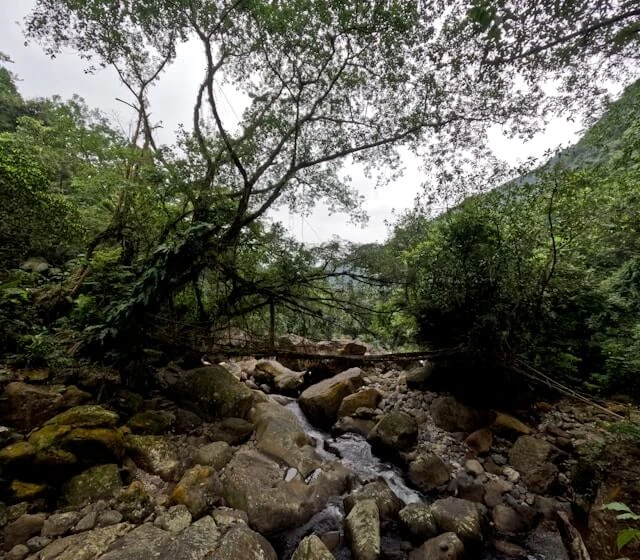
Meghalaya, a state in Northeast India, is widely known as the “Abode of Clouds.” Nestled among rolling hills and dense forests, it is a region that combines natural beauty, cultural richness, and unique experiences that are hard to find anywhere else in India. From cascading waterfalls to living root bridges and vibrant tribal traditions, Meghalaya offers a diverse range of attractions for nature lovers, adventure seekers, and cultural explorers alike.
Traveling in Meghalaya requires careful planning due to its hilly terrain, winding roads, and remote villages. Many tour operators and travel planners rely on organized support for creating smooth itineraries.
Natural Wonders of Meghalaya
One of the main reasons Meghalaya attracts visitors is its stunning natural landscapes.
Waterfalls
Cherrapunji and Mawsynram, two of the wettest places on Earth, are home to some of India’s tallest and most picturesque waterfalls. Nohkalikai Falls, with a drop of over 340 meters, is the tallest plunge waterfall in the country and a popular tourist attraction. Similarly, Seven Sisters Falls near Cherrapunji is a multi-tiered cascade that captivates visitors with its sheer beauty, particularly during the monsoon season when the water flow is at its peak.
Living Root Bridges
A unique attraction in Meghalaya is the living root bridges, primarily found in the Cherrapunji and Nongriat regions. These bridges are grown by the Khasi and Jaintia tribes using the aerial roots of the rubber tree (Ficus elastica). Over decades, these roots intertwine naturally to form sturdy, self-sustaining bridges that can support the weight of people crossing. The living root bridges are not only functional but also reflect the indigenous knowledge and harmony with nature that has been preserved for generations.
Caves and Rivers
The state is dotted with limestone caves such as Mawsmai Cave and Siju Cave, which attract spelunkers and adventure enthusiasts. Meghalaya is also home to clear rivers like the Umngot River in Dawki, famous for its transparent waters and scenic surroundings. These natural features make Meghalaya an attractive destination for travelers seeking adventure, photography, and eco-tourism experiences.
Hill Stations and Scenic Views
Shillong, the state capital, is known as the “Scotland of the East” because of its rolling hills and cool climate. Attractions like Ward’s Lake, Elephant Falls, and Shillong Peak provide visitors with beautiful landscapes and serene environments. Mawphlang Sacred Forest, located a short drive from Shillong, is a protected forest area that is rich in biodiversity and offers a glimpse into the sacred traditions of local tribes.
Cultural Heritage of Meghalaya
Meghalaya is home to three main indigenous communities: the Khasi, Garo, and Jaintia tribes. Each group has its own distinct customs, traditions, and festivals, which add a rich cultural dimension to the region.
Festivals
Seasonal festivals are a central part of tribal life. For instance, Shad Suk Mynsiem, celebrated by the Khasi community, is a festival of thanksgiving and dance. During such events, locals perform traditional dances in colorful attire, and the celebrations provide visitors with an opportunity to observe and participate in the local culture. Other festivals include Wangala (harvest festival of the Garo tribe) and Behdeinkhlam (festival of purification celebrated by the Jaintia community).
Handicrafts and Local Art
Meghalaya’s villages are known for bamboo and cane crafts, handwoven textiles, pottery, and traditional jewelry. These crafts are not only part of the local economy but also a way for visitors to connect with the state’s cultural heritage. Traditional markets in Shillong and smaller towns allow travelers to experience authentic local life and purchase handmade souvenirs.
Travel Logistics in Meghalaya
Traveling across Meghalaya can be challenging due to hilly terrain, monsoon rains, and narrow roads. Many popular tourist sites are located in remote areas, making advance planning essential.
- Best Time to Visit: The ideal period is post-monsoon, from October to May, when the weather is pleasant and roads are more accessible. Monsoon season, from June to September, sees heavy rainfall, which makes travel to some areas difficult.
- Transport: Local buses, shared taxis, and private vehicles are commonly used to reach tourist sites. For trekking and remote village visits, guided arrangements are recommended.
- Accommodation: Shillong, Cherrapunji, and Mawlynnong offer a range of accommodation options, from guesthouses to eco-lodges. Rural homestays are also popular among travelers who wish to experience local life firsthand.
For travel operators, organizing itineraries, transportation, and accommodations can be simplified by collaborating once with a B2B Meghalaya DMC, which offers logistical support, local knowledge, and assistance with permits and guides.
Popular Tourism Experiences
Meghalaya offers a variety of experiences that appeal to different types of travelers:
- Nature and Adventure: Trekking to living root bridges, exploring waterfalls, river activities, and cave explorations.
- Cultural Tours: Visiting tribal villages, participating in local festivals, and observing traditional crafts.
- Photography and Scenic Trips: Capturing the state’s unique landscapes, mist-covered hills, and rural life.
- Eco-Tourism and Sustainable Travel: Visiting community-managed villages like Mawlynnong, learning about sustainable practices, and supporting local initiatives.
Conclusion
Meghalaya is a state where nature and culture blend seamlessly. Its waterfalls, rivers, forests, living root bridges, and tribal heritage make it one of India’s most unique and compelling destinations. While the region’s terrain and scattered locations present challenges, careful planning can ensure a safe and rewarding experience. Travel operators and planners can streamline the process by collaborating once with a B2B Meghalaya DMC, gaining access to local knowledge and support for creating well-organized trips.
Exploring Meghalaya provides travelers with a combination of adventure, cultural immersion, and natural beauty. With its serene landscapes, rich traditions, and unique attractions, the state continues to be a captivating destination for anyone looking to experience the magic of Northeast India.