
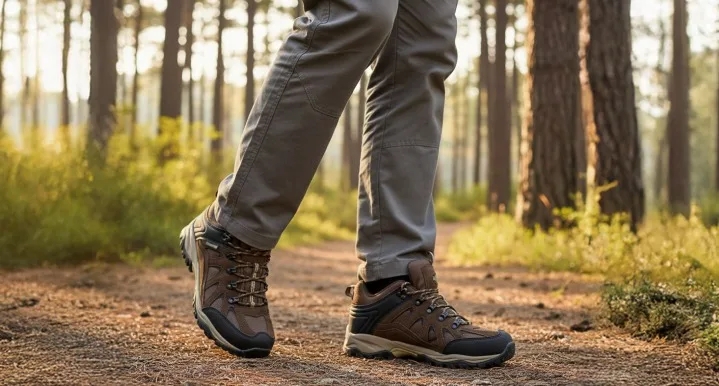
Whether you’re planning a peaceful countryside stroll, tackling rugged mountain trails or preparing for your first walking holiday, choosing the right pair of men’s walking boots can make all the difference.
Comfortable, supportive footwear doesn’t just improve your walking experience—it helps reduce fatigue, provides stability on uneven terrain and keeps your feet protected in changing weather conditions. While many people focus on clothing or backpacks, experienced walkers know that the right boots are the foundation of every successful outdoor adventure.
With so many styles available, from lightweight hiking footwear to fully waterproof leather boots, it’s easy to feel overwhelmed when deciding which pair is right for you.
This guide explains everything you need to know about choosing the best walking boots for your needs. We’ll compare different types of boots, highlight the key features to look for, and help you understand when waterproof walking boots for men or hiking boots for men are the better choice.
Whether you’re new to walking or looking to upgrade your current footwear, this guide will help you make an informed decision with confidence.

What Should You Look for in Men’s Walking Boots?
If you’re short on time, these are the most important features to consider:
- Waterproof protection for year-round walking.
- Reliable grip for muddy and uneven terrain.
- Comfortable cushioning for long-distance walks.
- Good ankle support on rough trails.
- Breathable materials to regulate temperature.
- Durable construction suitable for regular use.
- A secure, comfortable fit with enough room around your toes.
Choosing boots that match the type of walking you enjoy is more important than buying the most technical model available.
Why Choosing the Right Walking Boots Matters
Every walk places different demands on your feet.
A gentle woodland trail, a coastal path and a rocky hill walk all require different levels of grip, support and protection.
Many people begin walking in everyday trainers because they already own them. While trainers may be suitable for short walks on dry pavements, they quickly reveal their limitations when conditions become wet, muddy or uneven.
Purpose-built walking boots are designed to handle the challenges of outdoor terrain while keeping your feet comfortable throughout the day.
The benefits include:
- Improved grip on slippery paths.
- Better stability on uneven ground.
- Greater comfort during longer walks.
- Enhanced ankle support.
- Protection from mud, rain and loose stones.
Investing in quality walking footwear allows you to focus on enjoying your surroundings rather than worrying about every step.
Walking Boots vs Hiking Boots: Is There a Difference?
The terms walking boots and hiking boots are often used interchangeably, but there are subtle differences depending on the type of outdoor activity you enjoy.
Walking BootsHiking BootsIdeal for countryside walks and woodland trailsDesigned for rougher terrain and longer hikesLightweight and comfortableUsually offer greater ankle supportPerfect for everyday outdoor adventuresBetter suited to mountain routes and challenging trailsAvailable in waterproof and leather optionsOften built for carrying heavier backpacks
For many walkers across the UK, a versatile pair of waterproof walking boots offers the perfect balance between comfort and performance.
If you’re planning longer hill walks or more demanding adventures, hiking boots with additional support may be worth considering.
Key Features to Look for in Men’s Walking Boots
Not all walking boots are built the same.
The best pair for you depends on where you walk, how often you head outdoors and the conditions you regularly encounter.
Here are the features worth prioritising.
Waterproof Protection
British weather is famously unpredictable.
A dry forecast can quickly turn into a passing shower, while muddy footpaths and wet grass are common throughout the year.
That’s why waterproof walking boots for men remain one of the most popular choices for UK walkers.
Waterproof footwear helps keep your feet dry, allowing you to stay comfortable on longer walks without worrying about changing conditions.
Grip and Traction
Your boots should provide confidence on every surface.
Look for deep-lug rubber outsoles that offer dependable traction on:
- Muddy paths
- Woodland trails
- Loose gravel
- Rocky ground
- Wet grass
- Uneven countryside terrain
Good grip improves both safety and comfort, particularly during autumn and winter walks.
Comfortable Cushioning
Walking places repeated pressure on your feet, ankles and knees.
Quality cushioning absorbs impact, helping reduce fatigue during longer adventures.
Supportive midsoles also improve comfort when carrying a backpack or walking across harder surfaces.
Ankle Support
Not every walk requires maximum ankle support, but it’s an important feature if you regularly explore uneven ground or hill paths.
Higher-cut boots help improve stability while reducing the likelihood of ankle twists on rocky terrain.
For flatter countryside walks, many walkers prefer slightly lighter boots that still offer excellent support without feeling restrictive.
Breathability
Keeping your feet cool is just as important as keeping them dry.
Breathable linings allow moisture to escape, helping prevent overheating during warmer weather or longer hikes.
The combination of waterproof protection and breathable construction creates a comfortable environment for year-round walking.
Leather or Synthetic?
One of the biggest decisions when choosing outdoor footwear is whether to buy leather or synthetic boots.
Leather Walking Boots
Leather boots are well known for their durability, premium appearance and excellent weather resistance.
Benefits include:
- Long-lasting performance.
- Excellent waterproofing when properly maintained.
- Mould naturally to your feet over time.
- Traditional outdoor styling.
Synthetic Walking Boots
Synthetic boots are typically:
- Lighter in weight.
- Faster drying.
- More breathable.
- Easier to maintain.
They’re an excellent option for walkers who prioritise flexibility and lightweight comfort.
Both materials perform exceptionally well, so the right choice depends on your personal preferences and the type of walking you enjoy most.

How Should Walking Boots Fit?
Even the highest-quality walking boots won’t perform well if they don’t fit properly.
When trying on a new pair, keep these tips in mind:
- Wear the hiking socks you normally walk in.
- Leave enough room for your toes to move naturally.
- Your heel should stay secure without excessive movement.
- The boots should feel supportive without creating pressure points.
- Walk around indoors before taking them on a long hike.
A properly fitted pair of boots will become more comfortable with use, while poor-fitting footwear is unlikely to improve over time.
Choosing the Right Men’s Walking Boots for Different Adventures
Not every walk is the same, so it makes sense to choose walking boots that match the type of terrain you’ll explore most often.
Rather than buying the most technical boots available, think about where you spend your weekends. The right footwear should suit your walking style, the weather conditions and the routes you enjoy.
Woodland Walks and Country Parks
If you enjoy local woodland trails, National Trust properties or gentle countryside walks, lightweight men’s walking boots offer an excellent balance of comfort, grip and flexibility.
Look for boots with:
- Waterproof protection for muddy paths.
- Cushioned midsoles for all-day comfort.
- Flexible soles for natural movement.
- Breathable linings for year-round use.
These boots are ideal for regular weekend walks and everyday outdoor adventures.
Hill Walking and National Trails
Longer routes across hills and uneven terrain place greater demands on your footwear.
For these adventures, hiking boots for men provide additional ankle support, improved stability and durable outsoles designed to tackle loose rocks, steep paths and varied terrain.
Whether you’re exploring the Peak District, the Lake District or Snowdonia, supportive hiking boots help you stay comfortable throughout the journey.
Winter Walking
Cold weather often means wet ground, muddy trails and slippery conditions.
This is where waterproof walking boots for men really come into their own.
Keeping your feet dry not only improves comfort but also helps maintain warmth during longer walks.
Pair waterproof boots with quality walking socks to create a comfortable walking system that performs well in changing conditions.
Common Mistakes to Avoid When Buying Walking Boots
Choosing the wrong footwear can affect both comfort and confidence on the trail.
Avoid these common mistakes when buying your next pair of boots.
Buying Boots Based Only on Appearance
Outdoor footwear should be chosen for comfort, fit and performance rather than style alone.
A boot that looks great but doesn’t fit properly is unlikely to become your favourite walking companion.
Choosing the Wrong SizeYour feet naturally expand during long walks.
Always leave a little space around your toes while ensuring your heel remains secure.
Trying boots on with hiking socks gives a much more accurate idea of how they’ll feel outdoors.
Not Breaking Boots InEven comfortable boots benefit from a short break-in period.
Wear them around the house or on shorter local walks before heading off on a full-day hike.
This allows the materials to adapt naturally to your feet while reducing the chance of blisters.
Ignoring the WeatherMany first-time buyers underestimate how often they’ll encounter wet grass, muddy paths and unexpected showers.
For UK walking, waterproof footwear is often one of the most valuable features you can choose.
How to Care for Leather Walking Boots
Looking after your boots helps maintain their comfort, appearance and waterproof performance for years to come.
A few minutes of maintenance after each walk can make a significant difference.
Simple Boot Care Tips
- Brush away mud once the boots have dried.
- Clean with lukewarm water when needed.
- Avoid drying boots directly beside radiators or fires.
- Apply a suitable leather conditioner or waterproof treatment regularly.
- Store boots somewhere cool and dry with good ventilation.
Proper care protects the leather while helping your boots remain comfortable and weather-resistant.
Complete Your Walking Kit
Choosing the right boots is only one part of preparing for a comfortable day outdoors.
The right clothing and accessories can make every walk more enjoyable, especially as distances increase or weather conditions change.
Hiking Trousers for Men
Comfortable trousers allow greater freedom of movement while drying much faster than denim.
Hiking Trousers for Men are designed to provide flexibility, breathability and comfort across changing terrain, making them an excellent choice for regular walkers.
Walking Socks
Quality socks work alongside your boots to improve comfort throughout the day.
Moisture-wicking fabrics help reduce friction while providing additional cushioning where it’s needed most.
If you’re shopping for the whole family, our Walking Socks for Women offer the same comfort and support for outdoor adventures.
Women’s Walking Collection
Planning walks together?
Our collections of Women’s Walking Boots and Women’s Walking Shoes offer dependable comfort, waterproof protection and reliable grip for countryside walks, woodland trails and walking holidays.
Matching the right footwear to each person’s needs helps everyone enjoy the journey.
Comfortable Footwear Beyond the Trail
After a long day outdoors, many walkers like to change into something more relaxed.
Our collection of Leather Slippers for Men provides everyday comfort around the home while maintaining the same focus on quality and durability.
Key Takeaways
If you’re choosing a new pair of men’s walking boots, remember these essentials:
- Choose boots that match the type of walking you enjoy most.
- Waterproof protection is valuable for year-round UK conditions.
- Prioritise comfort and fit over unnecessary technical features.
- Good grip and cushioning improve confidence on uneven terrain.
- Break your boots in before attempting longer walks.
- Look after leather boots regularly to extend their lifespan.
- Complete your walking kit with quality clothing and accessories.
Investing in reliable outdoor footwear isn’t just about performance—it’s about making every walk more enjoyable.
Ready for Your Next Adventure?
Whether you’re exploring local woodland trails, planning a walking holiday or preparing for more challenging hikes, the right footwear helps you walk with confidence.
A well-fitting pair of men’s walking boots provides the grip, comfort and support needed to enjoy every mile, whatever the season.
At Northwest Territory, we understand that every walker is different. That’s why our collection includes everything from lightweight waterproof walking boots to supportive hiking boots designed for more demanding terrain.
Complete your outdoor kit with comfortable hiking trousers, quality walking socks and weather-ready accessories, and you’ll be prepared for every adventure the British countryside has to offer.
The best walk isn’t always the longest one.
It’s the one where you finish feeling comfortable, confident and ready for the next adventure.
Frequently Asked Questions
1. What are the best men’s walking boots for everyday walking?
The best boots are those that suit the terrain you walk most often. For countryside paths and woodland trails, choose lightweight waterproof walking boots with reliable grip and comfortable cushioning.
2. Are waterproof walking boots worth buying?
Yes. Waterproof walking boots help keep your feet dry on muddy paths, wet grass and during unexpected rain, making them an excellent choice for year-round walking in the UK.
3. What’s the difference between walking boots and hiking boots?
Walking boots are ideal for everyday countryside walks and moderate trails, while hiking boots generally provide extra ankle support and durability for steeper, rougher terrain and longer adventures.
4. Should walking boots be tight or loose?
Walking boots should feel secure around the heel while leaving enough room for your toes to move naturally. A comfortable fit helps prevent rubbing and improves comfort on longer walks.
5. How do I choose the right size walking boots?
Try boots on while wearing hiking socks and walk around before buying. Your heel should stay secure, and your toes should have enough space to move comfortably without sliding forward.