Droopy eyelids affect more than the way you look. The sagging or low-hanging upper eyelid makes the eyes look heavy in some people. More prominently, the drooping eyelid can hang low, interfering with vision. Before deciding to have the eyelids lifted or adjusted, knowing more about what droopy eyelids are, why they occur, and how they can be treated is a key first step.
At Your Eyelids, patients can explore personalised options for Droopy Eyelid Treatment Cape Town providing experienced help for patients to identify the ideal solution for their specific circumstances. It is necessary to establish the present position of the eyelids, the natural physical structure and current age of the patient, whether their sight is being affected by the dropping, or whether it is more of a cosmetic issue, when determining the treatment solution.
What Are Droopy Eyelids?
Droopy upper eyelid is a term that commonly referred to as blepharoptosis.
In this condition, a part or whole upper eyelid is lower than the normal level.
It may affect both eyes (bilateral ptosis) or one eye (unilateral ptosis). Droopy eyelids can be present from birth or may develop later in the life span. Droopy can occur as a minimal reduction in the upper field of the vision or severe where the eyelid obscures the pupil considerably.
Signs of Droopy Eyelids
Signs of droopy eyelids in people include:
- Lower than usual upper eyelid
- Differences between each eye
- Appear to have tired-looking or heavy eyes
- Find it hard to keep the eyelids open
- Raised eyebrows to look more closely with the eyelids
- Lifting their chin or tilting their head to improve vision
- Reduced or blocked upper field of vision (more noticeable)
Why is Droopy Eyelid Caused?
The underlying causes behind droopy eyes are varied. Identifying them will help determine the best way to correct it.
Some common causes include:
- Natural ageing and changes in eyelid tissues
- Weakness or stretching of the eyelid-lifting muscle
- Changes following previous eye or eyelid surgery
- Nerve-related conditions
- Trauma or injury around the eye
- Congenital ptosis, which is present from birth
Because different conditions can produce similar symptoms, an assessment is important before deciding on treatment.
What Should I Do About Eyelid Droopiness?
There should be an assessment by the Doctor to determine if treatment is needed or not. The eyelid droopiness be evaluated based on factors such as amount of the droop, whether each or both eyes are affected; functioning ability to lift the eyelid; position of the eyebrow and excess amount of skin in the upper eyelid and whether vision is the problem.
How is Treatment Plan for Droopy Eyelids Created?
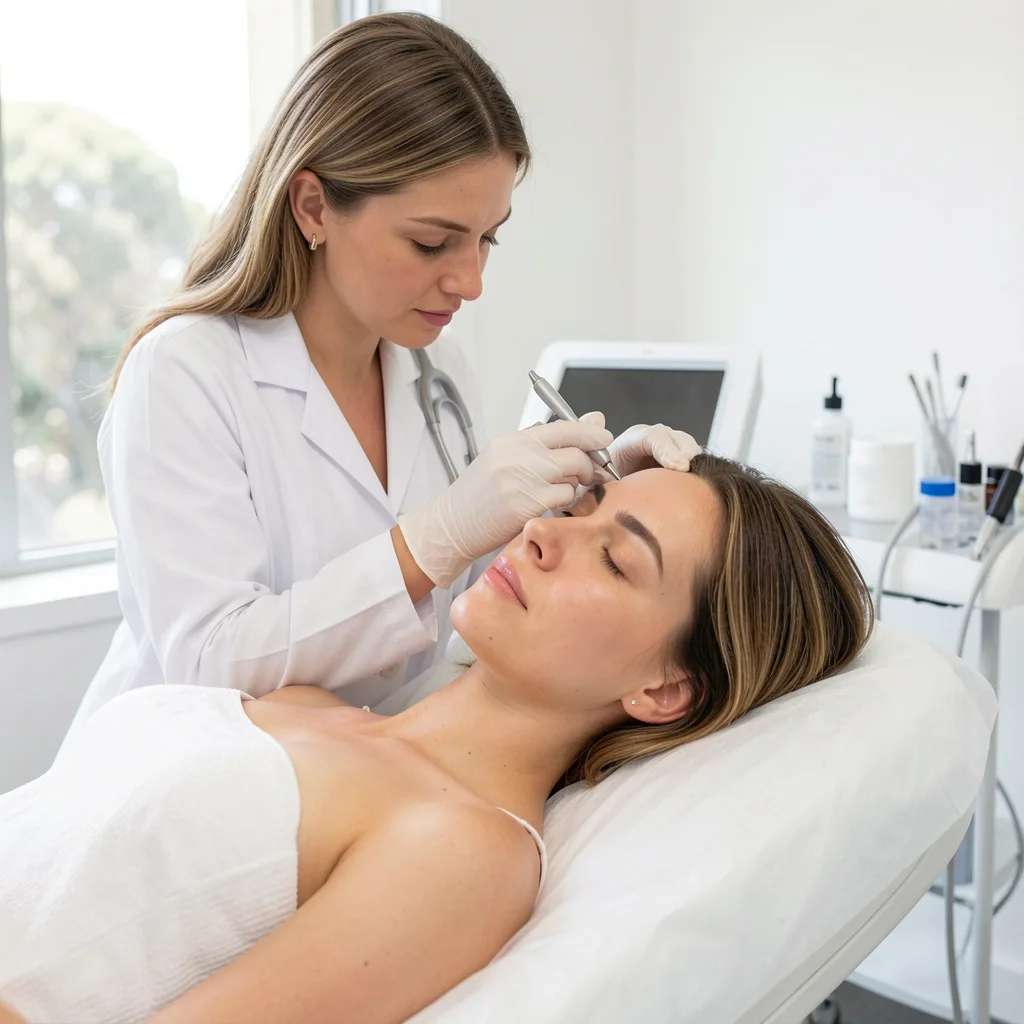
A Consultation is carried out to examine the Eyebrows, eyelashes, the eyelids and other structures around our eyes. The function and position of each eye may be tested to assess the efficiency of the eyelids' operating system.
The Patient's medical history including all surgical details may be gathered and the condition is reviewed to understand how many eye lids are affected and how severe is it?
It is also investigated whether there is any eye or eyelid disorders, eye strain or other eye and health problems that may affect eye movement.
Treatment Options for Droopy Eyes
The best way to treat eyelid droop is through surgery. Depending on the cause and extent of the droop, there are several Surgical procedures aimed at improving the lid position by re-adjusting the lifting muscle and its support structure to recreate the correct balance and function of your eyelid.
What Will the Treatment Do for Me?
Depending on the cause condition of the eyelid condition, surgery is generally used to:
- Restore proper functioning and position of your upper eyelid.
- Improve symmetry and visual appeal.
- Remove the heavy and tired eyelid effect to present as youthful appearance of your face.
- Clear the obstruction in upper visual field.
What to Expect After Droopy Eyelid Surgery
The procedure time varies between a few to one or two hours depending on how challenging is your condition and nature the correction.
The eyelid skin is very delicate; therefore it needs special attention during healing. Bruising and swelling are usual following a procedure, but it is a temporary state and the bruising fade gradually over days.
Your Eyelids will also take some time to adapt to the changed anatomy so that a good balanced result is achievable.
Choosing the Right Specialist in Cape Town
Choosing an experienced and skilled professional for eyelid droop procedure is very vital, because eye surgery requires not only the hands of someone with dexterity and artistic flair, but also vast knowledge and the understanding of the Anatomy & physiology surrounding our eye structure.
If are looking for Droopy Eyelid Treatment Cape Town, it is important to work with specialists who’ll guide you and educate you regarding the available options. You should feel free to express any of your concerns regarding droopy eye surgery to prevent any complications that may occur during or post treatment.
Summary
A droopy upper eyelid is a condition that makes an eye appear heavy due to a lowered eyelid, it might not just be the look that it offers, sometimes a severely drooping eyelid restricts your vision. The choice of the appropriate procedure is dependent on the cause of droopy eyes and how far it is affecting your vision. The consultational process done with Your Eyelid will assess the cause of the droopy eye. Then an individualized Treatment plan will be presented with a precise explanation and advice to assist you in making a final decision as you are informed of the predicted results. If you are looking for a Droopy eyelid treatment Cape Town, a consultation with Your Eyelids will help determine the solutions appropriate for you.