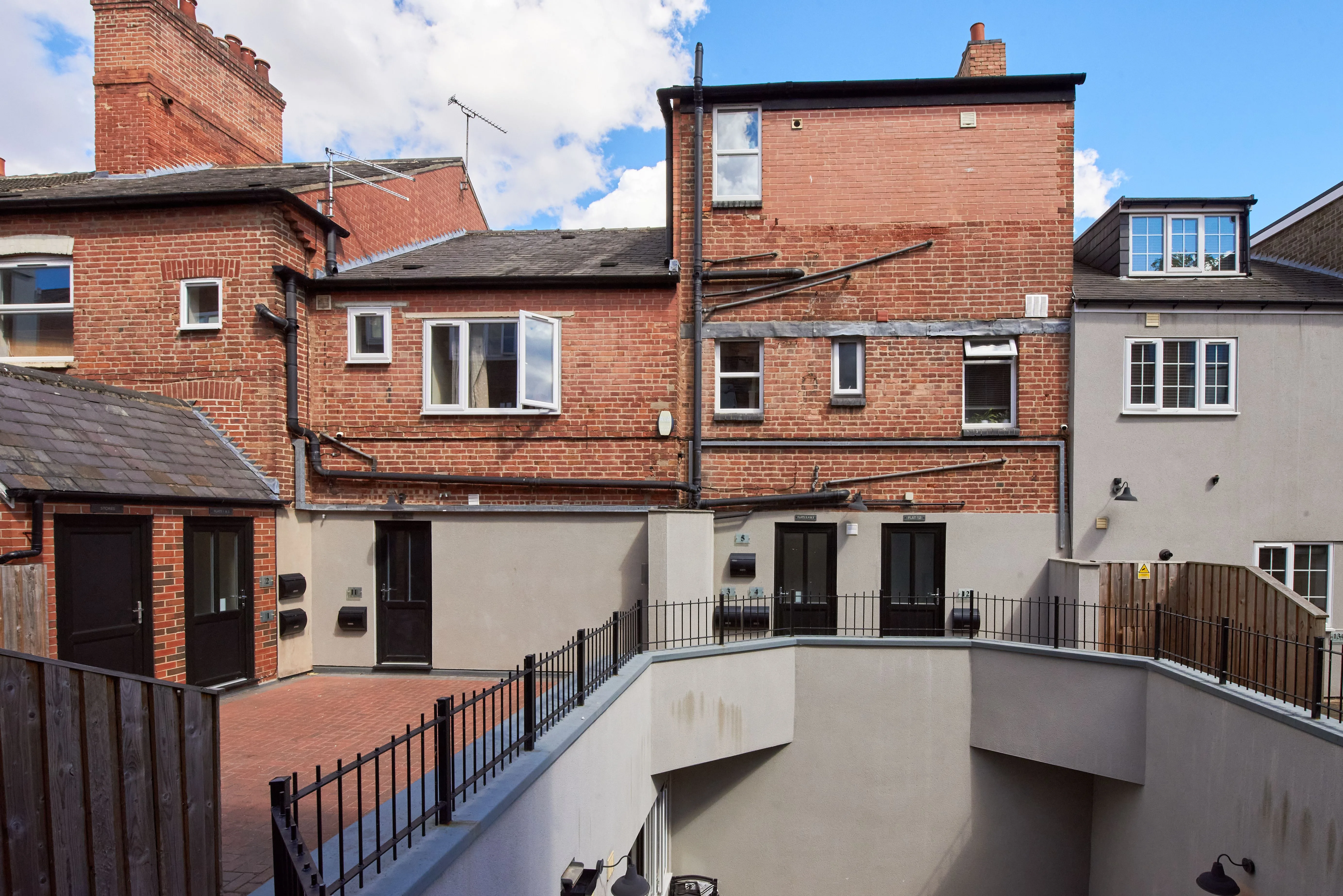

A commercial lease can come with significant repair, maintenance, reinstatement, and decoration obligations. Understanding these responsibilities before a lease ends can help landlords and tenants avoid unnecessary disputes and unexpected costs. An expert dilapidation surveyor provides professional advice by assessing a property, reviewing relevant lease obligations, and identifying potential dilapidation liabilities.
What Is a Dilapidation Survey?
A dilapidation survey is a professional assessment of a property's condition in relation to the obligations set out in a commercial lease. It can identify areas where repairs, alterations, reinstatement, or decoration may be required.
Dilapidation surveys are particularly important toward the end of a lease, but obtaining professional advice earlier can give tenants more time to plan and address potential issues.
When Should You Hire an Expert Dilapidation Surveyor?
Tenants should consider engaging an expert dilapidation surveyor well before their lease expires. Early advice can help identify potential liabilities while there is still time to complete remedial works or discuss matters with the landlord.
A survey may also be useful:
- Before signing or renewing a commercial lease
- During the middle of a lease term
- Several months before lease expiry
- When receiving a schedule of dilapidations
- During negotiations with a landlord
- When planning to vacate a commercial property
Early assessment can help businesses make informed decisions and potentially reduce the risk of unexpected end-of-lease costs.
What Does an Expert Dilapidation Surveyor Do?
An experienced surveyor typically assesses the property's condition and considers the tenant's obligations under the lease. Depending on the instructions, the assessment may cover:
- Repair and maintenance requirements
- Internal and external condition
- Reinstatement of tenant alterations
- Decoration requirements
- Fixtures and fittings
- Building services and installations
- Potential breaches of lease obligations
- Estimated remedial works and associated costs
The surveyor can then provide a clear report highlighting areas that may require attention.
Why Is Professional Dilapidation Advice Important?
Commercial dilapidation claims can become complicated when there is disagreement about the condition of a property or the tenant's contractual responsibilities. A professional surveyor provides an independent assessment that can help both parties understand the condition of the premises and the potential scope of works.
For tenants, this can support lease-end planning and cost management. For landlords, a professional assessment can help establish the condition of the property and identify appropriate remedial requirements.
How Can a Dilapidation Survey Help Tenants?
An expert dilapidation surveyor can help tenants identify potential liabilities before they become urgent. This may allow the tenant to:
- Understand their lease obligations.
- Identify defects and required repairs.
- Plan remedial works in advance.
- Obtain realistic cost estimates.
- Prepare for landlord negotiations.
- Reduce the likelihood of last-minute disputes.
The earlier potential issues are identified, the more options a tenant may have for managing them.
Dilapidation Surveys in London and Across the UK
Commercial properties in London can range from offices and retail premises to warehouses, industrial units, and mixed-use buildings. Each property and lease can present different dilapidation considerations.
Businesses searching for an expert dilapidation surveyor in London should look for a qualified professional with experience in commercial property, lease obligations, building condition assessments, and dilapidation negotiations.
A surveyor who understands both the technical and contractual aspects of dilapidations can provide more useful advice than simply identifying visible defects.
What Should You Look for in a Dilapidation Surveyor?
When choosing a surveyor, consider:
- Relevant commercial property experience
- Knowledge of lease-related obligations
- Experience preparing dilapidation reports
- Understanding of repair and reinstatement requirements
- Ability to provide clear cost advice
- Experience negotiating dilapidation claims
- Local knowledge of London and UK commercial property
Choosing the right professional can make the dilapidation process easier to understand and manage.
Frequently Asked Questions
What is an expert dilapidation surveyor?
An expert dilapidation surveyor is a property professional who assesses a building's condition against relevant lease obligations and advises landlords or tenants on potential dilapidation liabilities.
When should I arrange a dilapidation survey?
Ideally, tenants should obtain advice well before lease expiry. An early survey provides more time to understand obligations, plan works, and discuss potential issues.
Can a dilapidation survey reduce costs?
A survey cannot guarantee lower costs, but identifying potential liabilities early can help tenants plan works, obtain quotations, and make informed decisions before the lease ends.
Is a dilapidation survey only for tenants?
No. Both landlords and tenants can benefit from professional dilapidation advice. The scope and purpose of the survey will depend on the party's requirements and the terms of the lease.
Get Professional Dilapidation Advice
Whether you are preparing to leave a commercial property, negotiating a lease, or dealing with a dilapidation claim, obtaining professional advice early can help you understand your position and plan the next steps.
Set Square Surveyors provides professional surveying and property advice for commercial property matters across London and the UK. Working with an experienced expert dilapidation surveyor can give landlords and tenants clear, practical guidance when dealing with lease-end obligations and property condition.
Need professional dilapidation advice? Contact Set Square Surveyors to discuss your commercial property requirements.