
Planning a retreat can feel like a big undertaking, especially if it's your first time organizing one. From choosing the right location to coordinating schedules and ensuring guests have a meaningful experience, there are many moving parts. However, with thoughtful preparation and a clear plan, you can create an event that runs smoothly while leaving a lasting impression on your participants.
If you're planning to host a retreat in Maine, following a structured approach can help you stay organized while creating an experience your guests will truly appreciate.Start with a Clear Vision
Every successful retreat begins with a purpose. Before selecting a venue or inviting guests, define what you want participants to gain from the experience. Your retreat may focus on relaxation, education, creativity, mindfulness, or team building.
Having a clear vision helps guide every decision, including the activities, schedule, accommodations, and atmosphere you want to create.
Know Your Audience
Understanding your participants allows you to plan an experience that meets their expectations. Think about who will attend and what they value most. Are they looking for quiet reflection, outdoor adventures, group discussions, or hands-on workshops?
Knowing your audience helps you choose activities that feel relevant and enjoyable while ensuring everyone feels included throughout the retreat.
Select the Right Setting
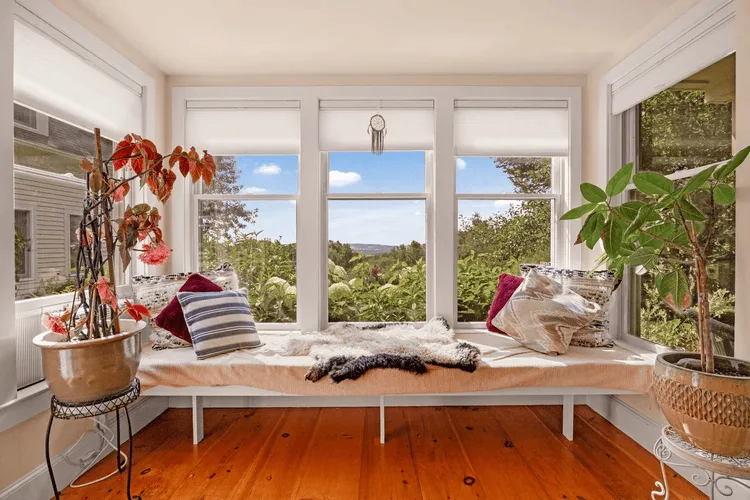
The environment has a significant impact on the overall experience. A peaceful location surrounded by natural beauty encourages guests to disconnect from everyday distractions and focus on personal growth or meaningful connections.
Look for a venue that offers comfortable accommodations, inviting gathering spaces, and access to outdoor areas where participants can relax between scheduled sessions.
Create a Realistic Schedule
One common mistake retreat organizers make is trying to fit too much into each day. While it's important to provide valuable programming, guests also need time to unwind, reflect, and enjoy their surroundings.
Design a schedule that balances structured activities with free time. Include breaks between sessions, leisurely meals, and opportunities for informal conversations. A relaxed pace often leads to a more rewarding experience for everyone involved.
Prepare Every Detail in Advance
Careful planning helps prevent last-minute stress. Create a detailed checklist covering accommodations, meals, transportation, activity supplies, emergency contacts, and communication with participants.
Sharing arrival instructions, packing recommendations, and a general itinerary before the retreat helps guests arrive feeling informed and prepared.
Keep Meals Simple and Enjoyable
Food brings people together and plays an important role in the retreat experience. Plan nourishing meals that are satisfying without being overly complicated.
Whenever possible, accommodate common dietary needs and create opportunities for guests to enjoy meals together. Shared dining experiences naturally encourage conversation and help build a sense of community.
Build in Time for Reflection
One of the greatest benefits of attending a retreat is stepping away from daily routines. Allow participants time to process what they're learning through journaling, quiet walks, meditation, or simply relaxing in nature.
These slower moments often become some of the most meaningful parts of the retreat because they give guests space to absorb new ideas and recharge.
Stay Flexible
Even the best-planned retreats may require adjustments. Weather conditions, travel delays, or changes in group dynamics can affect your schedule.
Rather than trying to control every detail, approach unexpected situations with flexibility. Having backup plans for outdoor activities and maintaining a calm attitude helps create a positive experience even when things don't go exactly as expected.
Choose a Venue That Supports Your Goals
The venue you select should make planning easier, not more complicated. Consider factors such as lodging, gathering spaces, meal options, outdoor environments, accessibility, and available amenities.
Many organizers choose wellness retreats in Maine because the peaceful landscapes, fresh air, and slower pace create an ideal environment for reflection, relaxation, and meaningful group experiences. Selecting a venue that aligns with your retreat's purpose allows you to focus more on your guests and less on logistics.Final Thoughts
Successful retreats are not defined by elaborate schedules or expensive extras. They are remembered for the meaningful experiences, authentic connections, and welcoming atmosphere they provide. With careful planning, realistic expectations, and thoughtful preparation, you can confidently organize an event that benefits both you and your participants.
If you're searching for a venue that embraces nature, community, and intentional gatherings, Casa Portal Retreats offers a peaceful countryside setting designed to help retreat hosts create memorable experiences from start to finish