
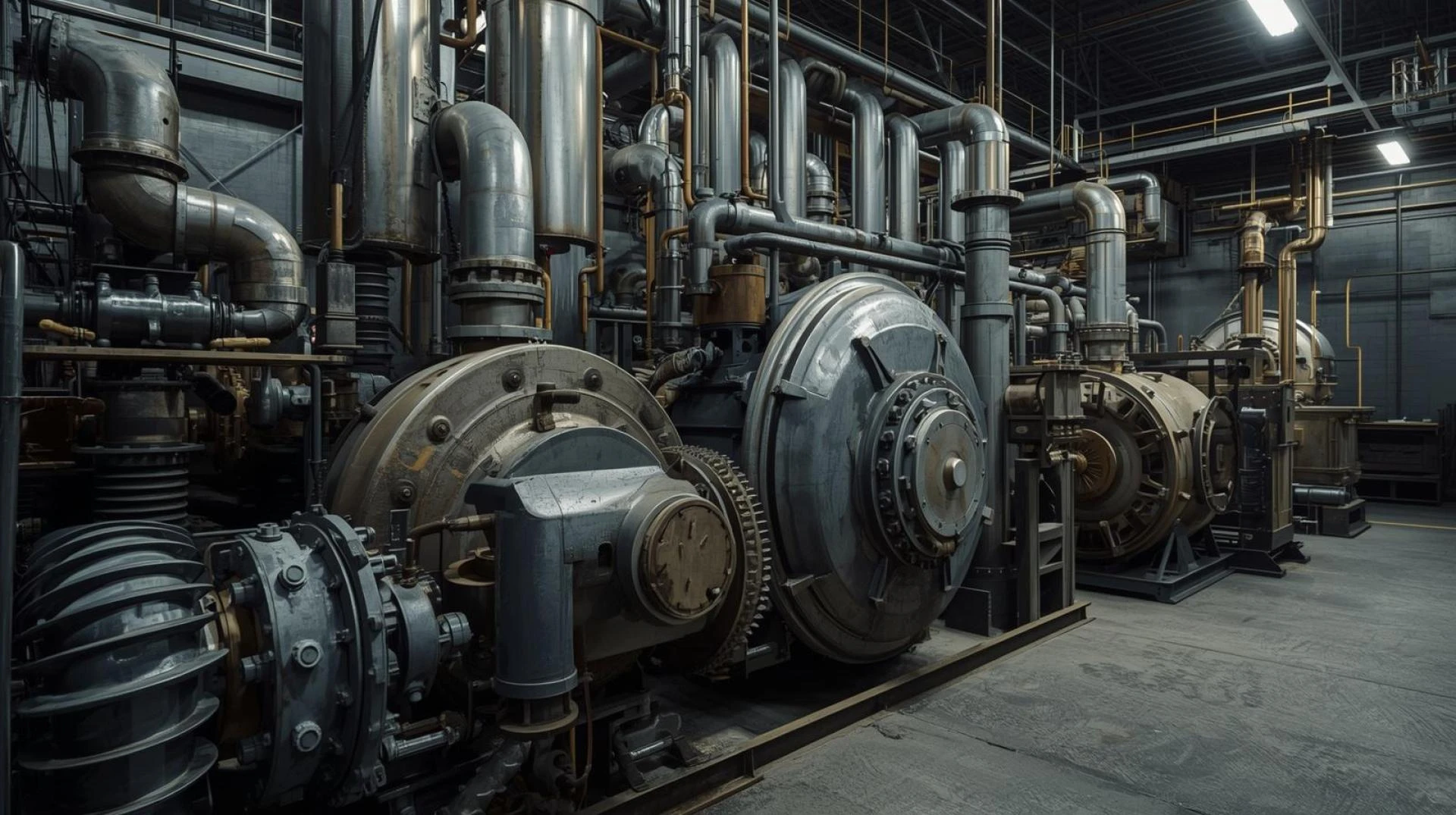
Industrial products and equipment are essential for keeping businesses running smoothly across manufacturing, construction, energy, and many other sectors. These tools and components support daily operations, improve productivity, and help maintain safety standards in demanding work environments. Whether it’s a small workshop or a large-scale production facility, the right equipment plays a key role in achieving consistent and reliable results.
What Are Industrial Products and Equipment?
Industrial products refer to a wide range of items used in production, maintenance, and operational processes. These include mechanical parts, electrical components, tools, and heavy machinery. Equipment, on the other hand, includes larger systems or machines that perform specific tasks such as lifting, processing, or assembling materials.
Together, these products form the foundation of industrial activity. Without them, it would be nearly impossible to carry out tasks efficiently or meet production targets.
Why They Matter in Daily Operations
Every industrial setup depends on equipment that performs reliably under pressure. When machines and components work as expected, businesses can maintain steady output and avoid unnecessary delays. However, if even a small part fails, it can disrupt the entire workflow.
Using high-quality industrial products helps reduce breakdowns, improve safety, and ensure that operations continue without interruption. This is especially important in industries where downtime can lead to financial losses or missed deadlines.
Common Types of Industrial Equipment
Industrial products and equipment can be grouped into several key categories based on their function:
1. Automation and Control Equipment
Automation systems are designed to reduce manual effort and improve accuracy. These include controllers, sensors, and actuators that help monitor and manage processes. With automation, businesses can increase efficiency, reduce errors, and maintain consistent quality.
2. Mechanical Components
Mechanical parts such as bearings, gears, and fasteners are used in almost every machine. They help transfer motion, hold structures together, and ensure smooth operation. Durable mechanical components are important for reducing wear and extending the life of equipment.
3. Electrical Equipment
Electrical systems power industrial operations. This category includes switches, circuit breakers, wiring systems, and power distribution units. Reliable electrical equipment helps prevent failures and protects machines from damage caused by power issues.
4. Material Handling Equipment
Moving materials from one place to another is a regular part of industrial work. Equipment like conveyors, cranes, and forklifts makes this process faster and safer. Efficient material handling reduces physical strain on workers and speeds up production.
5. Testing and Safety Tools
Industrial environments require proper monitoring and safety measures. Tools like pressure gauges, temperature sensors, and safety gear help maintain safe working conditions. These products are important for meeting safety regulations and protecting workers.
Focus on Quality and Reliability
Choosing the right industrial products is not just about cost—it’s about long-term performance. High-quality equipment lasts longer, performs better, and requires less maintenance. This reduces overall expenses and helps businesses avoid frequent replacements.
Reliable products also improve safety. Poor-quality components can fail unexpectedly, creating risks for workers and equipment. This is why many industries prefer products that meet recognized standards and certifications.
Modern Technology in Industrial Equipment
Technology has changed how industrial equipment works. Today, many machines come with smart features that allow real-time monitoring and control. Sensors can track performance, detect issues early, and help prevent breakdowns.
Advanced systems also support predictive maintenance, where problems are identified before they cause failure. This approach helps businesses plan repairs in advance and avoid sudden disruptions.
In addition, energy-efficient equipment is becoming more common. These products help reduce power consumption and lower operating costs, making them a practical choice for modern industries.
Selecting the Right Equipment
Choosing suitable industrial products depends on several factors, including the type of work, environment, and required performance level. Businesses should look for equipment that matches their operational needs and can handle the expected workload.
Working with trusted suppliers can make this process easier. Reliable suppliers provide accurate product information, quick delivery, and support when needed. This ensures that businesses get the right parts without delays.
It is also important to consider compatibility. Equipment and components should work well together to avoid performance issues. Proper planning during selection can prevent costly mistakes later.
Supply Chain and Availability
Access to industrial products has improved with global supply networks. Businesses can now source equipment from different regions, giving them more options and flexibility. However, it is important to ensure that products come from dependable sources.
Timely availability of parts is critical for maintenance and repairs. Delays in procurement can slow down operations, especially when urgent replacements are needed. Maintaining a steady supply of essential components helps avoid such challenges.