Warehouses serve as critical storage and distribution hubs for a wide range of products, many of which require carefully controlled environmental conditions. Pharmaceuticals, food products, electronics, chemicals, medical supplies, and specialty manufacturing materials can all be affected by excessive humidity or temperature fluctuations. Implementing a Warehouse Humidity Monitor alongside reliable Probe Monitoring technology allows businesses to maintain ideal storage conditions while minimizing the risk of product damage and financial loss.
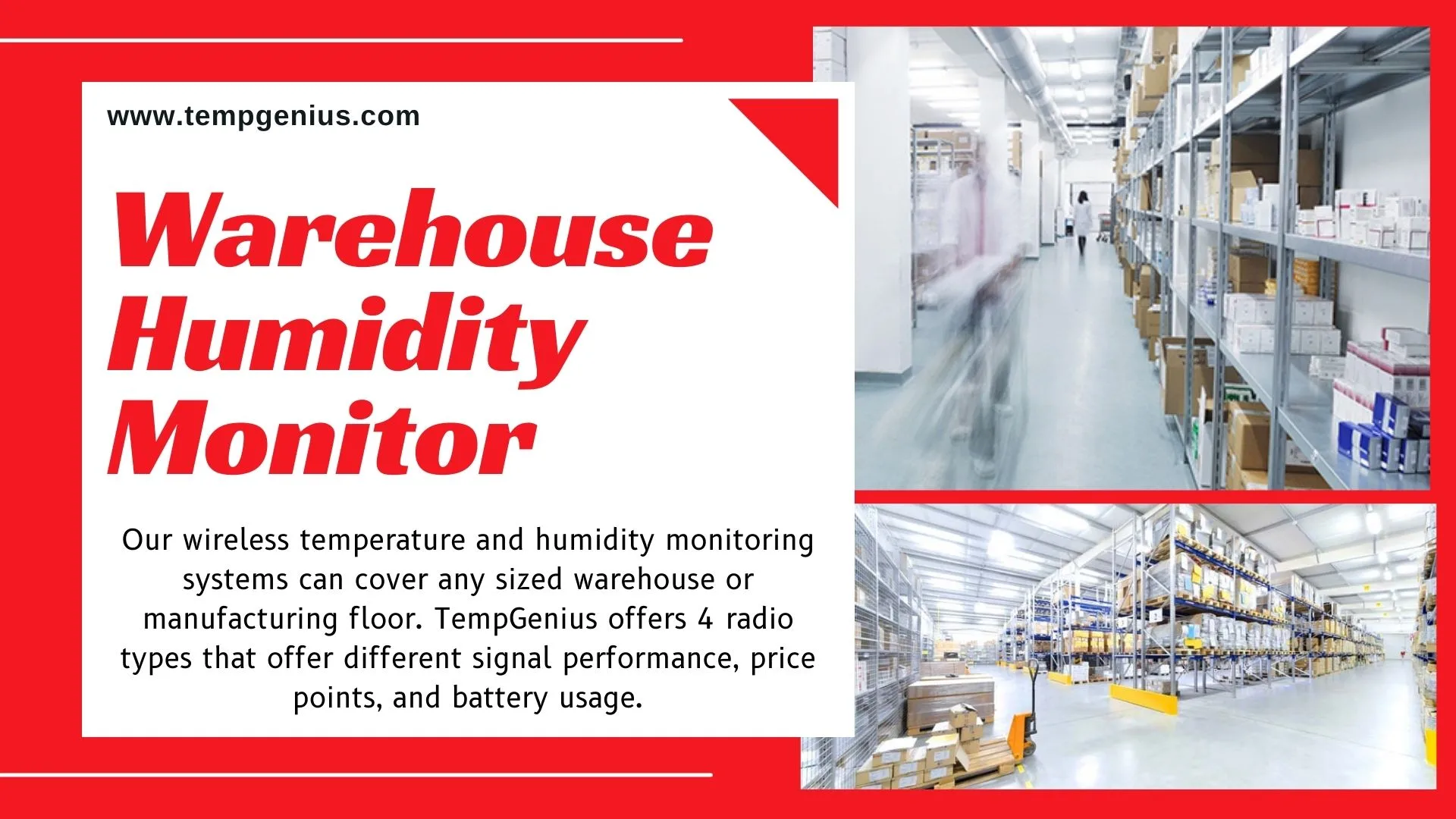
Humidity is often an overlooked environmental factor, yet it can have a significant impact on stored inventory. Excess moisture can encourage mold growth, corrosion, packaging deterioration, and reduced product quality. Low humidity levels may also damage certain materials or affect manufacturing components. A Warehouse Humidity Monitor continuously tracks moisture levels throughout storage areas, providing facility managers with accurate, real-time information that supports better environmental control.
Unlike manual inspections, automated humidity monitoring operates around the clock. Wireless sensors continuously collect environmental data and transmit it to a centralized monitoring platform. This provides complete visibility into warehouse conditions, allowing staff to detect abnormal humidity levels before they become costly problems.
Probe Monitoring adds another layer of precision to warehouse environmental management. Specialized probes measure temperatures directly within refrigeration units, cold storage rooms, freezers, incubators, and other controlled environments. These probes deliver highly accurate readings, helping businesses maintain proper storage conditions for sensitive inventory.
One of the greatest advantages of combining a Warehouse Humidity Monitor with Probe Monitoring is the ability to receive immediate alerts when environmental conditions move outside predefined limits. Equipment failures, power interruptions, HVAC issues, or unexpected weather conditions can quickly affect storage environments. Automated notifications delivered through text messages, emails, or phone calls enable personnel to respond rapidly and prevent inventory loss.
Healthcare organizations, pharmaceutical distributors, food storage facilities, and logistics providers benefit greatly from these monitoring capabilities. Many industries must comply with strict regulations governing environmental conditions and recordkeeping. Automated monitoring systems simplify compliance by continuously collecting data and generating detailed reports for inspections and audits. Accurate historical records reduce administrative workload while demonstrating adherence to industry standards.
Warehouse managers also use monitoring data to improve operational efficiency. Historical trends can reveal recurring humidity fluctuations or equipment performance issues that may require maintenance. Addressing these concerns proactively helps reduce downtime, extend equipment life, and lower repair costs.
Modern environmental monitoring platforms frequently include cloud-based dashboards that allow users to monitor multiple warehouse locations remotely. Facility managers can review live environmental data, access historical reports, and respond to alerts from virtually anywhere. This centralized approach improves oversight across large distribution networks and supports faster decision-making.
Organizations looking for dependable monitoring technology can benefit from solutions provided by TempGenius. Their advanced environmental monitoring systems combine wireless sensors, Probe Monitoring, cloud-based reporting, and automated alerting to help businesses maintain controlled storage environments and protect valuable inventory.