Creating inclusive outdoor experiences allows individuals of all abilities to connect with nature, build confidence, and enjoy meaningful activities. Programs designed with accessibility in mind provide a supportive environment where participants can explore new interests, develop skills, and experience a sense of freedom.
One of the most impactful ways this vision comes to life is through Outdoor Adventure Programs in Steamboat Springs, where recreation is thoughtfully adapted to meet diverse needs while maintaining a strong focus on safety and enjoyment.
Building Confidence Through Inclusive Outdoor Activities
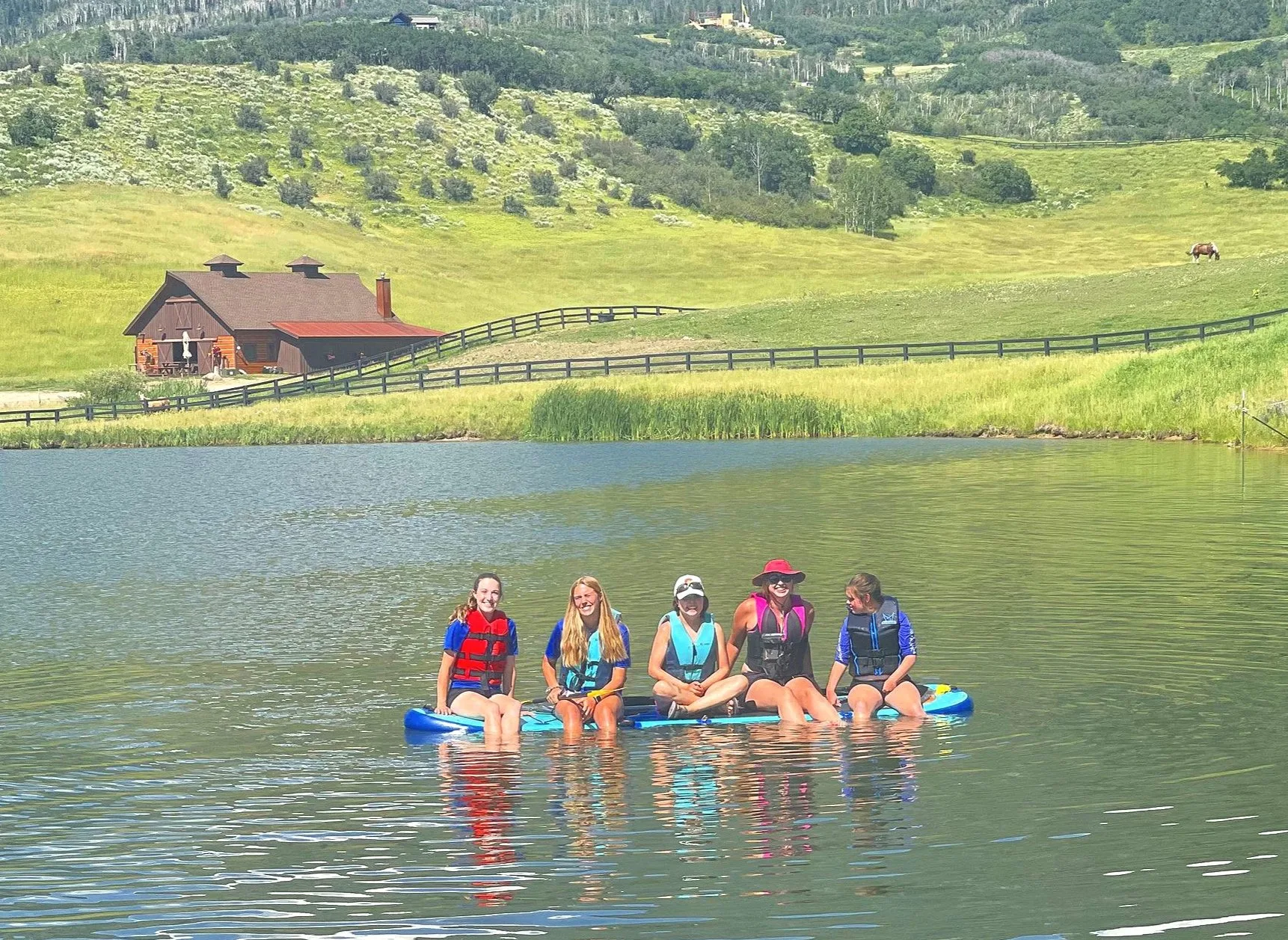
- Offers activities like hiking, cycling, horseback riding, and water recreation
- Uses adaptive equipment to support different ability levels
- Provides trained instructors for guidance and safety
- Encourages participants to try new activities without pressure
- Helps individuals build confidence through hands-on experiences
Why These Programs Matter
Access to inclusive recreation is essential for fostering independence and improving quality of life. Adaptive programs provide individuals with the opportunity to build coordination, strengthen motor skills, and gain confidence in their abilities. Over time, participants often become more comfortable trying new challenges, which can positively impact other areas of their lives.
Programs such as Adaptive summer programs in Steamboat Springs demonstrate how thoughtful planning and inclusive design can open doors for individuals who may otherwise face barriers to outdoor participation. These initiatives are especially valuable for families, offering a trusted and structured environment where loved ones can engage in safe and rewarding activities.
In addition to physical benefits, these programs encourage social interaction. Participants have the chance to meet others, build friendships, and feel part of a supportive community. This sense of belonging is a powerful outcome that extends well beyond the duration of the program.
A Supportive and Personalized Approach
One of the defining features of adaptive outdoor programs is their personalized approach. Activities are tailored to meet individual needs, allowing participants to progress at their own pace. This flexibility ensures that everyone can participate comfortably while still being challenged in a positive way.
Instructors are trained to understand a wide range of abilities and provide encouragement throughout each activity. Whether someone is trying a new sport for the first time or building on existing skills, the focus remains on creating a safe and enjoyable experience. This level of care helps participants feel confident and supported every step of the way.
A Lasting Positive Impact
The benefits of adaptive outdoor programs extend far beyond a single season. Participants often leave with improved self-esteem, greater independence, and a renewed sense of possibility. These experiences can inspire individuals to stay active, explore new opportunities, and continue engaging with the outdoors.
Across the United States, including well-known outdoor destinations, inclusive programs like these highlight the importance of accessibility in recreation. They show that with the right support and thoughtful design, everyone can experience the joy of outdoor adventure.
By focusing on ability rather than limitation, these programs create meaningful opportunities for growth, connection, and confidence. They serve as a reminder that outdoor experiences should be accessible to all, fostering a sense of achievement and belonging that lasts long after the program ends.
FAQs
1. What are adaptive summer programs?
Adaptive summer programs are inclusive outdoor activities designed for individuals with physical or cognitive disabilities, using specialized equipment and trained support to ensure safe participation.
2. Who can participate in these programs?
Children and adults with varying abilities can join. Activities are customized to meet individual needs, making them accessible for beginners as well as experienced participants.
3. What types of activities are included?
Common activities include hiking, cycling, horseback riding, and water-based recreation, all adapted to provide a safe and enjoyable experience for everyone involved.
4. What are the key benefits of these programs?
Participants build confidence, improve physical health, develop independence, and form social connections in a supportive, structured, and inclusive outdoor environment.