
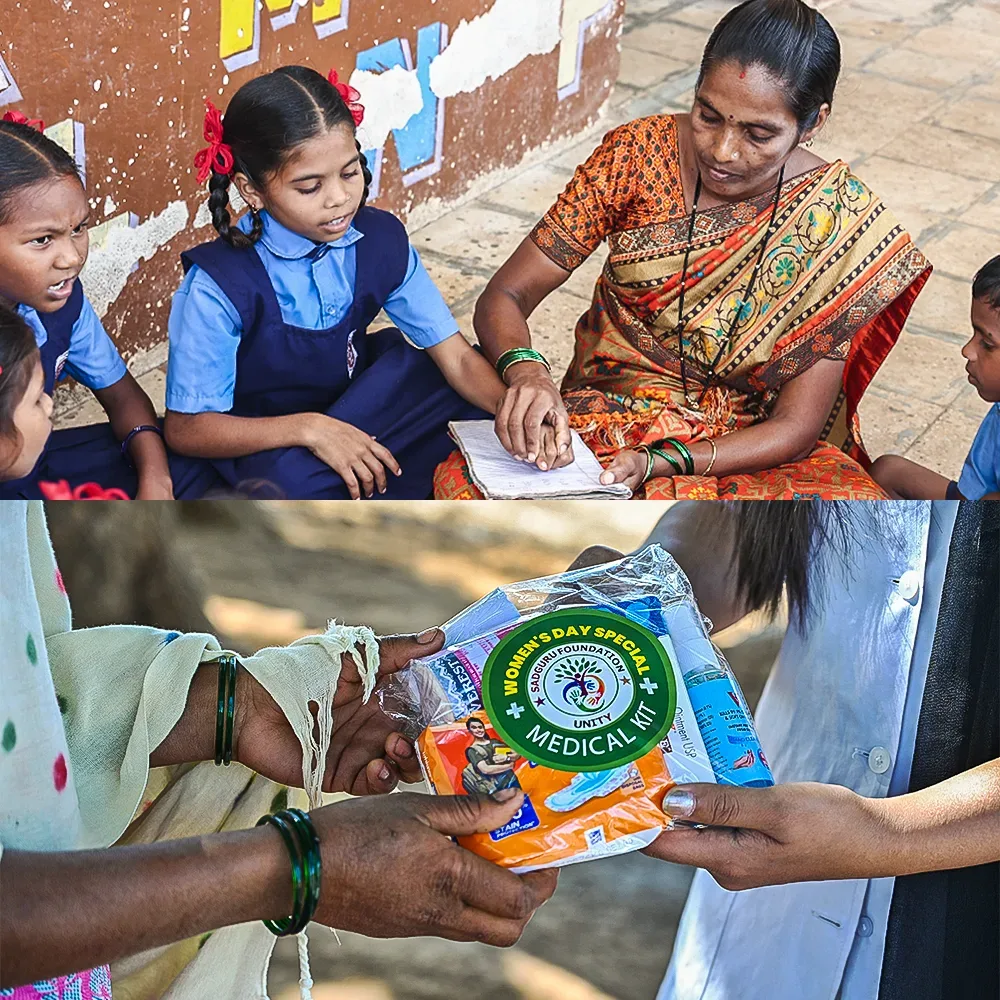
In today’s socially connected world, more individuals are seeking meaningful ways to contribute to society. Whether through charity volunteer opportunities or by supporting non profit donation websites, people now have multiple avenues to create real impact. These platforms and initiatives not only support communities in need but also foster a culture of empathy, responsibility, and collective progress.
Understanding Charity Volunteer Opportunities
Charity volunteering involves dedicating time, skills, or resources to support causes that improve lives. Unlike monetary donations, volunteering offers a hands-on approach, allowing individuals to directly engage with communities and understand their challenges.
There are various types of volunteering roles available today. Some focus on education, where volunteers help underprivileged children with studies or skill development. Others revolve around healthcare, environmental conservation, disaster relief, or elderly care. The diversity of these roles ensures that anyone, regardless of background or expertise, can find a suitable opportunity.
One of the major advantages of volunteering is personal growth. Volunteers often develop essential skills such as communication, leadership, teamwork, and problem-solving. Additionally, it provides a sense of fulfillment that comes from making a tangible difference in someone’s life.
The Rise of Digital Giving Platforms
With the advancement of technology, supporting causes has become more accessible than ever. Online platforms have revolutionized the way people contribute by making donations simple, transparent, and efficient.
Non profit donation platforms act as bridges between donors and causes. They provide detailed information about campaigns, ensuring that contributors understand how their funds will be used. Many platforms also offer real-time updates, helping donors track the impact of their contributions.
Another significant benefit of digital donation platforms is their global reach. A person can now support causes in different parts of the world without any geographical limitations. This has led to increased awareness and participation in global humanitarian efforts.
How to Choose the Right Opportunity
Selecting the right volunteering or donation platform requires careful consideration. It is important to align your interests and values with the cause you choose to support. For example, if you are passionate about education, you may want to volunteer as a tutor or contribute to initiatives focused on learning resources.
Transparency is another key factor. Reliable platforms and organizations clearly communicate their mission, goals, and financial allocation. This builds trust and ensures that your efforts or contributions are genuinely making a difference.
Time commitment is also an essential aspect to evaluate. Some volunteering roles require long-term involvement, while others may be short-term or project-based. Understanding your availability helps in making a sustainable commitment.
Benefits of Supporting Social Causes
Engaging in charitable activities offers numerous benefits beyond societal impact. For individuals, it enhances emotional well-being by fostering a sense of purpose. Helping others often leads to increased happiness and reduced stress levels.
From a professional perspective, volunteering can strengthen your resume. Employers value candidates who demonstrate social responsibility and community involvement. It reflects qualities such as initiative, compassion, and adaptability.
For society, the combined efforts of volunteers and donors contribute to sustainable development. They help address critical issues such as poverty, education gaps, healthcare access, and environmental challenges.
Challenges and Considerations
While the intention to help is commendable, it is important to approach charitable activities with awareness. Not all platforms or initiatives operate with the same level of accountability. Therefore, conducting proper research is essential before committing time or money.
Another challenge is consistency. Many individuals start with enthusiasm but struggle to maintain long-term involvement. Creating a realistic plan and setting achievable goals can help sustain participation.
Additionally, understanding the actual needs of communities is crucial. Effective volunteering is not just about offering help but ensuring that the help provided is relevant and impactful.
The Future of Giving and Volunteering
The landscape of social contribution is continuously evolving. Technology is playing a major role in shaping how people engage with causes. Virtual volunteering, crowdfunding, and digital campaigns are becoming increasingly popular.
Younger generations, in particular, are driving this change. They are more inclined toward purpose-driven actions and are actively seeking opportunities to contribute. Social media also amplifies awareness, encouraging more people to participate in charitable initiatives.
As awareness grows, the integration of transparency, accountability, and accessibility will further strengthen the ecosystem of giving and volunteering.
Conclusion
Participating in charitable initiatives is no longer limited by time, location, or resources. Whether through volunteering or online contributions, individuals now have the power to make a meaningful difference. By choosing the right opportunities and staying committed, anyone can become a catalyst for positive change.
Ultimately, the true value of giving lies not just in the act itself but in the lasting impact it creates—for both the giver and the receiver.