Charging Ahead: The Electric Vehicle Surge Unfolding in 2026
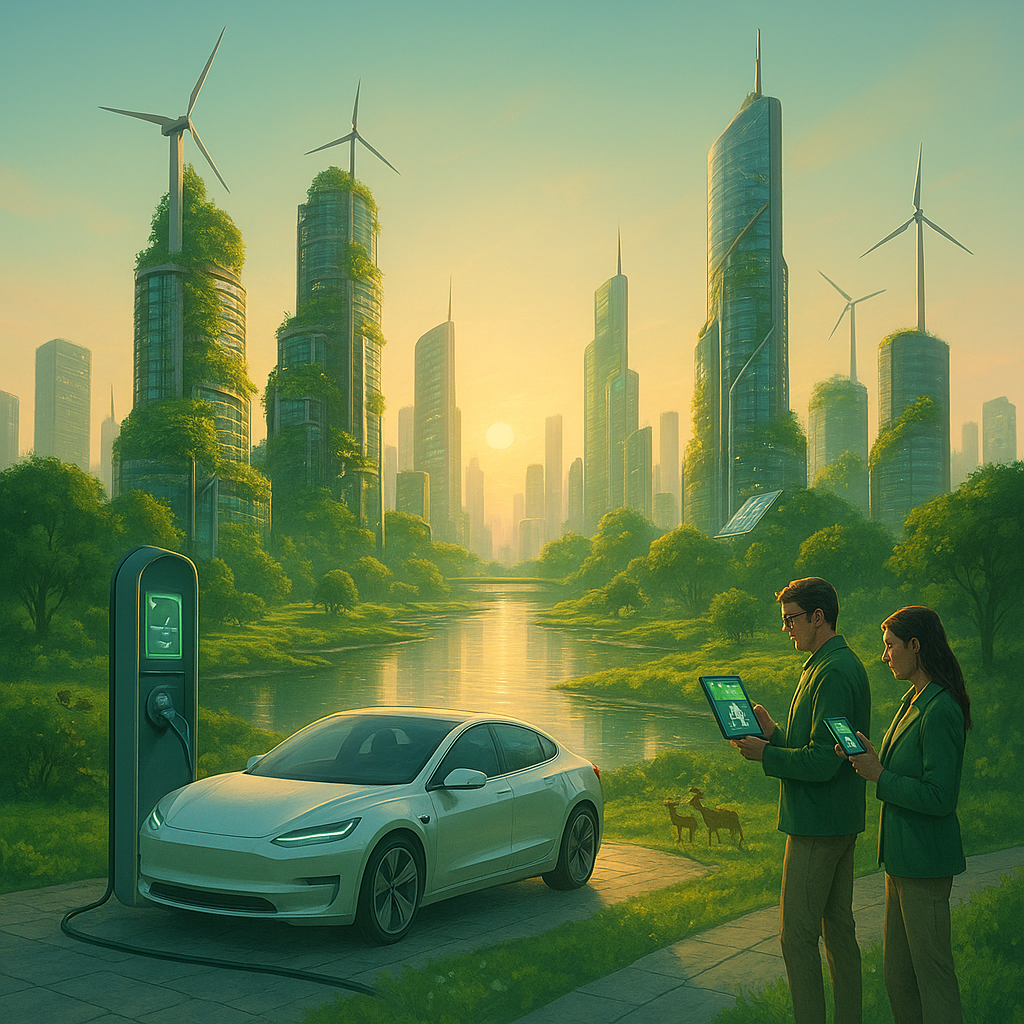
In early 2026, global electric vehicle (EV) sales surpassed 20 million units annually for the first time, marking a pivotal milestone in the shift from combustion engines to electrified transport. This surge is driven by a confluence of factors including plummeting battery costs, government incentives, and a growing climate-conscious consumer base. Yet, amid this rapid expansion lies a critical challenge: the electrical grid infrastructure struggles to keep pace with the extraordinary demand for charging power, threatening to bottleneck EV adoption further. As one industry executive recently noted, "The electric vehicle revolution is here, but our energy networks must evolve rapidly or risk stalling progress." This article explores the multifaceted trends defining electric vehicles in 2026 and the complex interplay with energy systems that underpins their future.
Tracing the Path: How Electric Vehicles Reached This Inflection Point
The electrification of transport has been underway for over a decade, but 2026 marks a watershed moment shaped by both technological breakthroughs and geopolitical shifts. Over the past five years, battery pack prices fell below $70 per kilowatt-hour, a threshold long predicted to unlock mass-market EV affordability. This decline stems from advances in cathode chemistry, solid-state battery prototypes nearing commercialization, and economies of scale from giga-factories expanding across Asia, Europe, and North America.
Meanwhile, governments worldwide accelerated their push toward net zero emissions. The 2024 United Nations Climate Agreement reinforced commitments to phase out internal combustion engines by 2035 in key markets such as the EU, China, and California. Subsidies, tax credits, and low-emission zones incentivized consumers and manufacturers alike, catalyzing investment in EV models spanning luxury sedans to commercial delivery vans.
Crucially, the 2026 oil price volatility—rooted in geopolitical tensions and supply constraints—boosted consumer interest in alternative fuels. According to data from the International Energy Agency (IEA), global oil demand plateaued as EV adoption increased, pushing automakers to accelerate electrification programs. TheOmniBuzz’s article How The 2026 Oil Shock Ignited Electric Vehicles’ Rapid Revival outlines how this energy market turbulence was a catalyst for EV momentum.
Inside the Numbers: EV Growth and Battery Innovations Driving 2026
Quantifying the electric vehicle ecosystem reveals striking advances and persistent challenges. According to industry reports, global EV stock reached 40 million units by mid-2026, doubling from 2024 levels. China remains the largest market, accounting for nearly 50% of sales, followed by Europe and the US. Notably, electric commercial vehicles—buses, trucks, vans—grew at an annual rate exceeding 30%, signaling electrification beyond passenger cars.
Battery technology remains the linchpin of progress. Solid-state batteries, once experimental, entered limited production this year with startups and legacy manufacturers launching pilot models boasting 30% higher energy density and 50% faster charging times. These improvements directly address range anxiety and charging convenience, key barriers to consumer acceptance.
Cost declines continue to reshape market dynamics:
- Battery pack costs: Dropped from $110/kWh in 2022 to below $70/kWh in 2026.
- Vehicle price parity: Forecast to be achieved in mainstream segments by late 2027.
- Charging infrastructure: Over 3 million public fast chargers worldwide, up 50% since 2024.
However, while hardware costs drop, rare earth mineral supply chains face disruption risks. Production bottlenecks in lithium and nickel mining, coupled with geopolitical export controls, threaten to create price volatility. Strategies around battery recycling and alternative chemistries are intensifying as a result.
The Grid Struggle: Infrastructure Challenges Amid Rapid EV Uptake
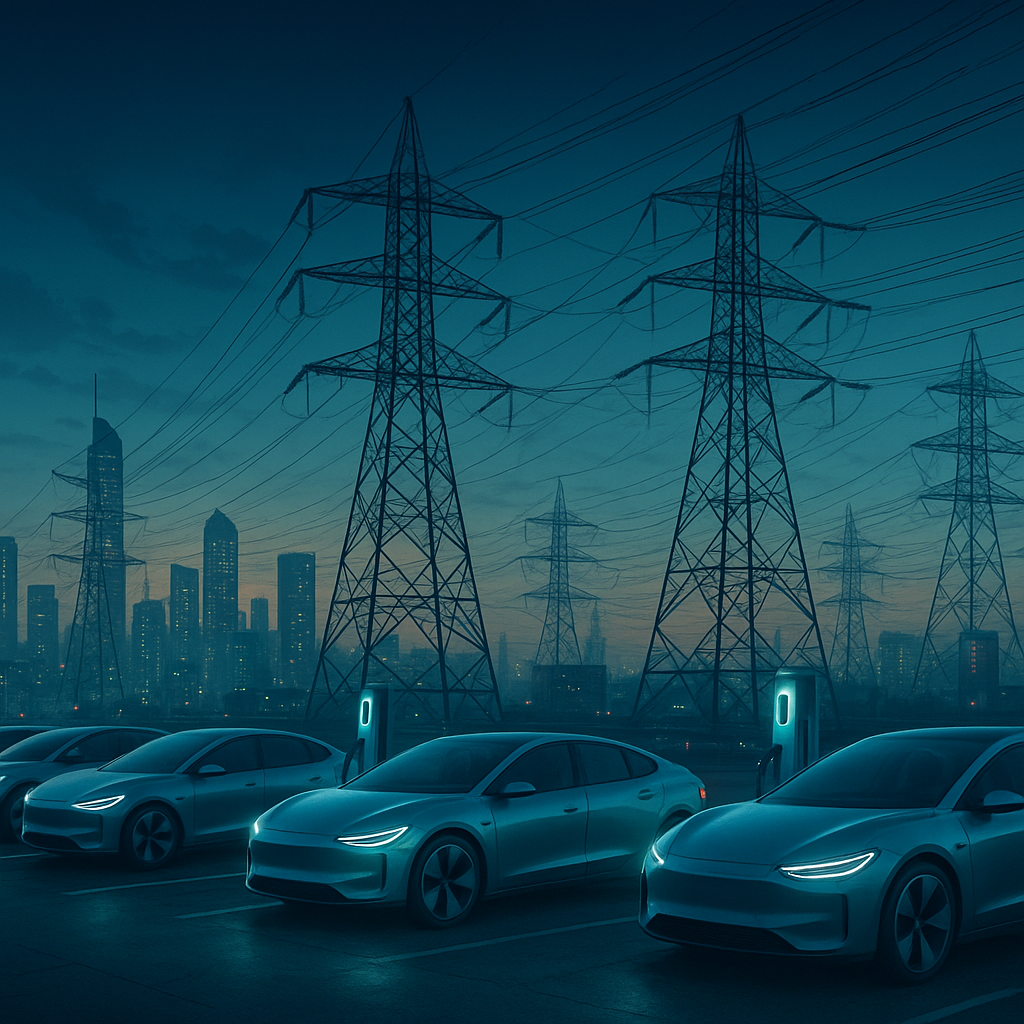
Despite these remarkable strides, the electric grid's capacity to handle accelerating EV charging demand remains a critical vulnerability. Utilities and grid operators report localized overloads, voltage fluctuations, and capacity constraints in urban and suburban areas with high EV concentration. TheOmniBuzz extensively covered this in Electric Vehicles Are Booming — But the Grid Isn't Ready, highlighting the mismatch between EV growth and electrical infrastructure readiness.
Key challenges include:
- Peak load spikes: Simultaneous fast charging during evening hours stresses transformers and distribution lines.
- Uneven infrastructure: Rural and developing regions lag in charging station deployment and grid capacity.
- Renewable integration: Grid operators struggle to balance intermittent solar and wind generation with new EV loads.
In response, smart charging solutions leveraging real-time pricing and vehicle-to-grid (V2G) technologies are gaining traction. These systems enable bidirectional energy flows, allowing EVs to discharge electricity back to the grid during peak demand, effectively acting as distributed energy storage.
"The synergy between EVs and grid modernization is critical. Without dynamic demand management and infrastructure upgrades, the system risks instability," explained Dr. Elena Martínez, chief engineer at a major European utility.
Government and private-sector collaboration is ramping up investment in grid upgrades, including advanced metering, energy storage projects, and microgrids. Yet the scale and speed required remain daunting, with estimates suggesting billions in annual spending over the next decade.
Voices from the Field: Industry Leaders on EV Trends and Grid Realities
Insights from automakers, utilities, and policy experts reveal a nuanced picture of 2026’s EV landscape. Tesla’s CEO highlighted the company’s focus on expanding battery production and improving charging network reliability, while emphasizing the need for regulatory frameworks that promote grid upgrades. Meanwhile, utility executives underscored the imperative for integrating renewable energy sources to meet growing electric demand sustainably.
"A coordinated approach between vehicle manufacturers, grid operators, and policymakers is essential to ensure the electric revolution does not outpace the grid’s capabilities," stated Karen Liu, a senior analyst at the Electric Power Research Institute.
Consumer sentiment also plays a crucial role. Recent surveys indicate increased willingness to adopt EVs but also reveal concerns about charging accessibility and electricity costs. TheOmniBuzz’s Are Consumers Considering Electric Vehicles? A Deep Dive into the 2026 Landscape explores these attitudes in depth, noting that price reductions alone may not suffice without confidence in infrastructure.
Looking Forward: What to Watch in the Electric Vehicle Ecosystem
The trajectory of electric vehicles remains bullish, but several factors will shape the next phase of growth. Policymakers are expected to tighten emissions standards further and expand incentives for EV adoption and infrastructure development. Battery innovation will remain a core focus, with solid-state and alternative chemistries vying for market dominance.
Equally important is the evolution of grid technology. The integration of AI-driven demand management, widespread V2G adoption, and distributed energy resources will be vital to balancing loads and enabling resilience. Public and private investments in charging infrastructure must address geographic disparities to ensure equitable access.
Key trends to monitor include:
- Expansion of ultra-fast charging networks: Targeting 15-minute or less charge times.
- Growth in electric commercial fleets: Shipping, logistics, and public transport electrification accelerating.
- Battery recycling and circular economy: Scaling to reduce raw material dependence and waste.
- Grid modernization efforts: Deployment of smart grids, microgrids, and enhanced storage.
As the 2026 wave unfolds, the interplay between EV technology, consumer behavior, and energy infrastructure will define the sustainability and scalability of this transport revolution.
In sum, while electric vehicles are booming with unprecedented momentum, the readiness of the grid remains a pressing bottleneck. TheOmniBuzz’s coverage, including Electric Vehicles Are Booming — But the Grid Isn't Ready, underscores that overcoming this challenge is not just a technical necessity but a strategic imperative for achieving global climate goals and enabling a cleaner, electrified future.