Charging Forward: The Surge of Electric Vehicles on Global Roads
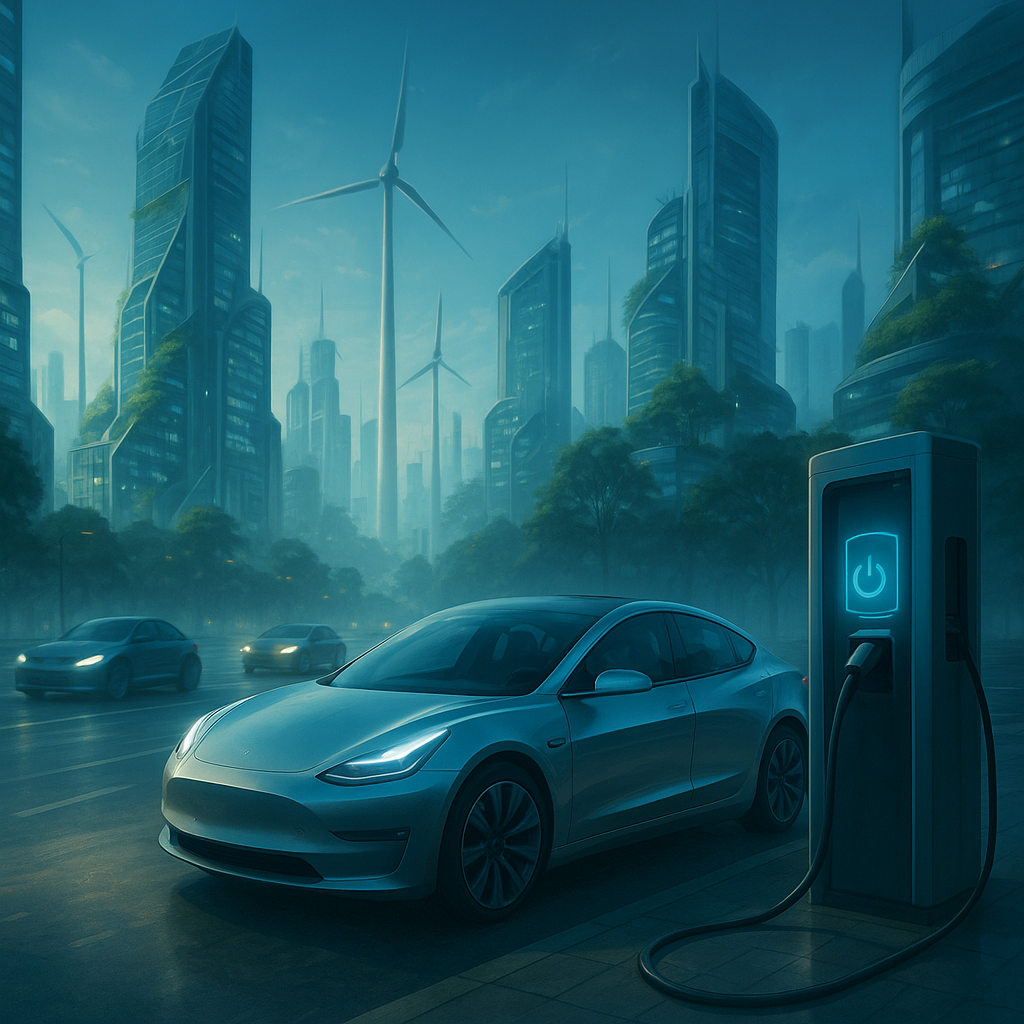
In 2026, electric vehicles (EVs) have firmly entrenched themselves as the dominant force in automotive markets worldwide. Global EV sales surpassed 20 million units this year alone, marking a near 40% increase compared to 2025, according to industry estimates. Cities from Shanghai to Los Angeles are witnessing streets increasingly dominated by silent, zero-emission vehicles, signaling a transformative shift in personal mobility.
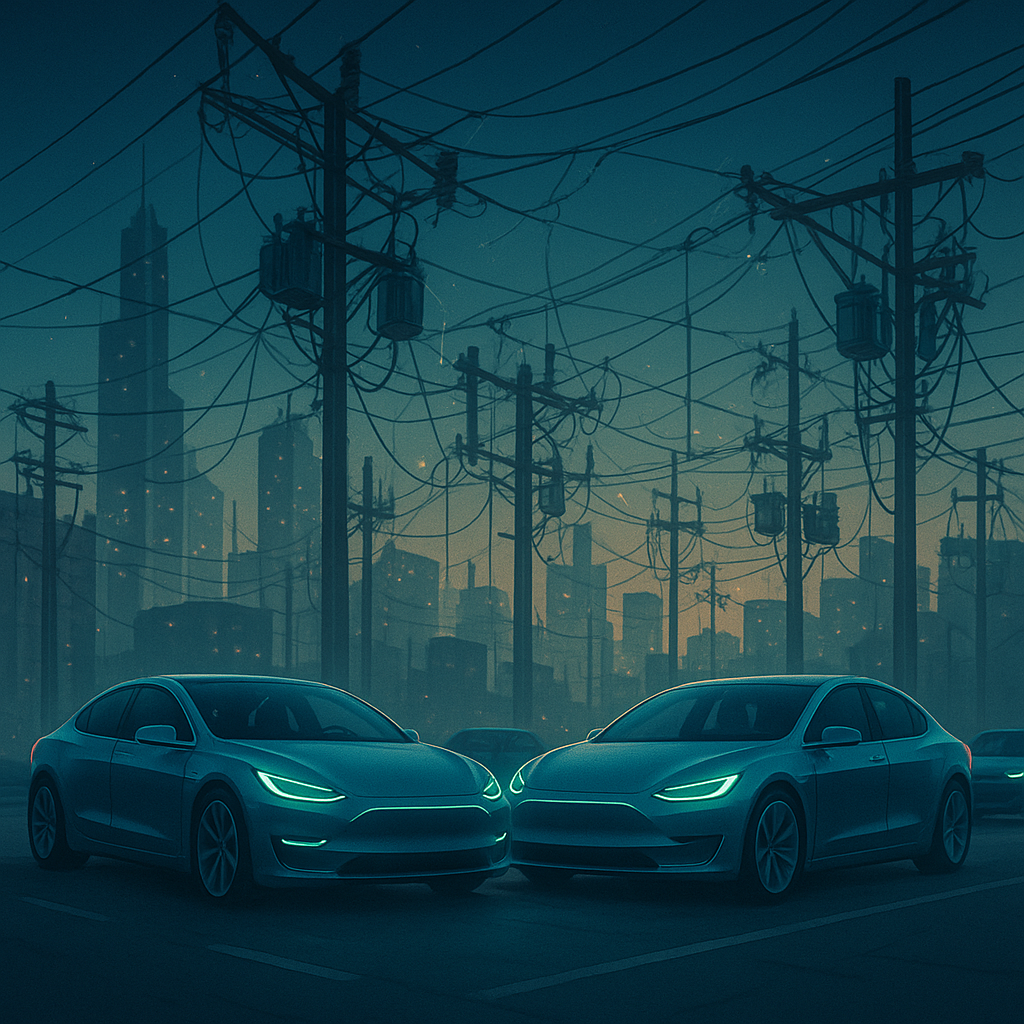
This surge, however, arrives amid growing concerns about the capacity of existing power grids to handle the skyrocketing demand for electric charging. As EV adoption accelerates, infrastructure strain threatens to undermine the environmental and economic benefits promised by electrification. The juxtaposition between booming sales and grid readiness forms a critical juncture for policymakers, utilities, and automakers alike.
“Electric vehicles have transformed from niche alternatives to mainstream necessities, but our energy infrastructure has not kept pace,” notes Dr. Helena Mertz, a leading energy systems analyst.
The challenge is multifaceted. Rapid adoption outstrips the pace of investment in grid modernization, and regional disparities in infrastructure exacerbate bottlenecks. This article examines the current state of electric cars, the evolving challenges for electrical grids, and the innovative solutions shaping a sustainable automotive future.
From Combustion to Electron: The Road to Electrification
The path leading to today's EV boom is paved with decades of technological breakthroughs, policy interventions, and shifting consumer preferences. The internal combustion engine (ICE), dominant since the early 20th century, progressively lost ground as climate imperatives and urban air quality concerns mounted.
Early electric models in the 2010s, such as the Tesla Model S and Nissan Leaf, set the stage by demonstrating battery potential and consumer appeal. Government incentives across Europe, China, and North America accelerated adoption, with landmark policies like the EU’s 2025 ban on new ICE car sales reinforcing the trajectory.
The rapid decline in lithium-ion battery costs—from over $1,100 per kWh in 2010 to around $75 per kWh today—has been pivotal. This cost parity enabled EVs to compete on price without subsidies, further fueling demand. Advances in battery chemistry, including solid-state and lithium-metal variants, promise even greater range and safety.
Automakers have capitalized on this momentum by dramatically expanding EV lineups. In 2026, more than 70% of new passenger vehicles announced globally are electric or hybrid, according to the International Energy Agency. Even traditional automakers like Ford, Volkswagen, and Toyota have committed billions to electrification and battery production.
“The transition is not a question of if but how fast,” says automotive analyst Mark Chen. “The market is responding faster than infrastructure development, creating urgent challenges.”
Gridlock Ahead? The Strain on Electrical Infrastructure
Electric vehicles represent a double-edged sword for energy systems. On one side, they reduce carbon emissions and improve urban air quality; on the other, they add unprecedented load to electrical grids originally designed for predictable residential and industrial consumption patterns.
The average EV requires between 7 to 11 kW per charge session, and with millions charging daily—particularly during peak evening hours—the cumulative demand spikes can overwhelm transformers, distribution lines, and substations.
Data from the U.S. Department of Energy highlights that without grid upgrades, widespread EV adoption could increase peak electricity demand by 20-30% in some regions. European grids face similar challenges, particularly in urban centers where EV penetration is highest.
- Capacity Constraints: Aging infrastructure in many countries limits the ability to handle increased loads.
- Peak Demand Issues: Simultaneous charging during evening hours causes grid stress.
- Renewables Integration: Variable output from solar and wind complicates supply balancing.
- Regional Disparities: Rural and developing areas lag in grid modernization.
Utilities report that uncoordinated EV charging could lead to blackouts or require costly upgrades. The strain is not merely technical but also economic, with billions needed to expand transmission and distribution networks.
China, the largest EV market, has already experienced localized outages attributed to charging surges. In Europe, countries like Germany and Italy are revisiting grid codes to manage EV load more effectively.
Experts emphasize the difference between total energy consumption and peak demand. While overall electricity use may rise moderately, short-term peaks during charging create the greatest challenges.
Innovations Mitigating Grid Challenges
To address these challenges, stakeholders are deploying a suite of technological and regulatory strategies aimed at optimizing EV integration without destabilizing grids.
Smart charging systems, which defer or modulate charging based on grid conditions, have become increasingly sophisticated. These systems enable utilities to incentivize off-peak charging, reducing peak load by as much as 40%, according to recent pilot programs in California and the Netherlands.
Vehicle-to-grid (V2G) technologies represent another promising avenue. V2G enables EVs to discharge stored energy back to the grid during peak demand periods, effectively turning cars into distributed energy resources. Demonstration projects in Japan and Europe have showcased V2G’s potential to enhance grid resilience and provide ancillary services.
On the infrastructure side, investments in upgrading transformers, expanding substations, and deploying decentralized energy storage are underway. Solar-plus-storage microgrids are increasingly paired with EV charging stations, particularly in commercial and residential complexes.
- Smart Chargers: Dynamic pricing and real-time grid feedback optimize charging times.
- V2G Integration: Bidirectional flow supports grid balancing and energy markets.
- Renewables Coupling: Solar-powered charging reduces reliance on fossil fuel energy.
- Grid Modernization: Investment in advanced metering and infrastructure enhances capacity.
Policy frameworks are also evolving. In the European Union, new directives require member states to incorporate smart charging into public charging infrastructure by 2028. The U.S. Inflation Reduction Act has allocated over $10 billion to grid modernization relevant to EV charging.
“Harnessing vehicle batteries as grid assets transforms the challenge into an opportunity,” argues energy strategist Anika Desai. “The synergy between EVs and smart grids is key to a sustainable future.”
The Industry and Consumer Response in 2026
Automakers and consumers are adapting rapidly to these dynamics. Manufacturers are increasingly embedding smart charging capabilities directly into vehicles and apps, enabling seamless integration with utility programs.
Major EV producers have also partnered with energy companies to build fast-charging networks powered by renewables, addressing both convenience and sustainability concerns. Tesla’s expansion of its Supercharger network now includes grid-support features in multiple countries.
Consumers demonstrate growing awareness of grid impacts and show willingness to participate in demand response programs. Recent surveys indicate that over 60% of EV owners are open to controlled charging if it reduces their electricity bills.
Furthermore, vehicle design is evolving to support bidirectional charging, with an estimated 30% of new EVs sold in 2026 equipped with V2G-ready hardware.
However, challenges remain. Rural areas face slower infrastructure upgrades, and disparities in charging access persist. Affordability of smart chargers and grid-enabled vehicles also affects adoption rates in emerging markets.
Industry analysts forecast that collaboration across automakers, utilities, and governments will intensify. Coordinated approaches leveraging data analytics and AI-driven energy management systems are expected to become standard within five years.
For a comprehensive overview of the latest automotive industry shifts, see Cars in 2026: Innovations, Industry Shifts, and Future Roadmaps. For detailed insights on EV adoption trends, The State of Cars in 2026: Innovation, Sustainability, and Market Dynamics offers valuable context.
Looking Ahead: What to Watch in the Intersection of EVs and Energy Grids
As 2026 advances, the interplay between electric cars and power grids will remain a defining factor for sustainable mobility. Several key trends bear close attention:
- Policy Acceleration: Regulatory mandates for smart charging, grid upgrades, and renewable integration will shape investment flows.
- Technological Breakthroughs: Advances in battery tech, AI-driven grid management, and V2G capabilities will redefine energy dynamics.
- Infrastructure Expansion: Deployment of ultra-fast chargers and decentralized storage systems will ease grid pressures.
- Consumer Behavior: Adoption of flexible charging habits and participation in grid programs will influence system stability.
- Equity and Access: Addressing disparities in charging infrastructure remains critical to broad EV adoption.
Industry experts underscore the importance of integrated planning and multi-stakeholder collaboration to realize the full benefits of electrification without compromising grid reliability.
“The future hinges on a systems-level approach where transportation and energy sectors evolve hand in hand,” summarizes Dr. Mertz. “Ignoring grid readiness risks slowing down the electrification revolution.”
For readers interested in the technical and strategic challenges of EV-grid integration, the article Electric Cars Are Booming — But the Grid Isn't Ready offers in-depth analysis and case studies. Meanwhile, Why Electric Cars Are Becoming the Only Smart Choice on the Road contextualizes the broader environmental and economic imperatives driving this transformation.
In conclusion, the automotive industry’s electrification surge represents a monumental shift with profound implications beyond the vehicles themselves. The readiness of electrical grids to support this transition is paramount. Success will require innovative technologies, forward-thinking policies, and engaged consumers working together to ensure that the electric car revolution delivers on its promise of cleaner, smarter mobility for all.