
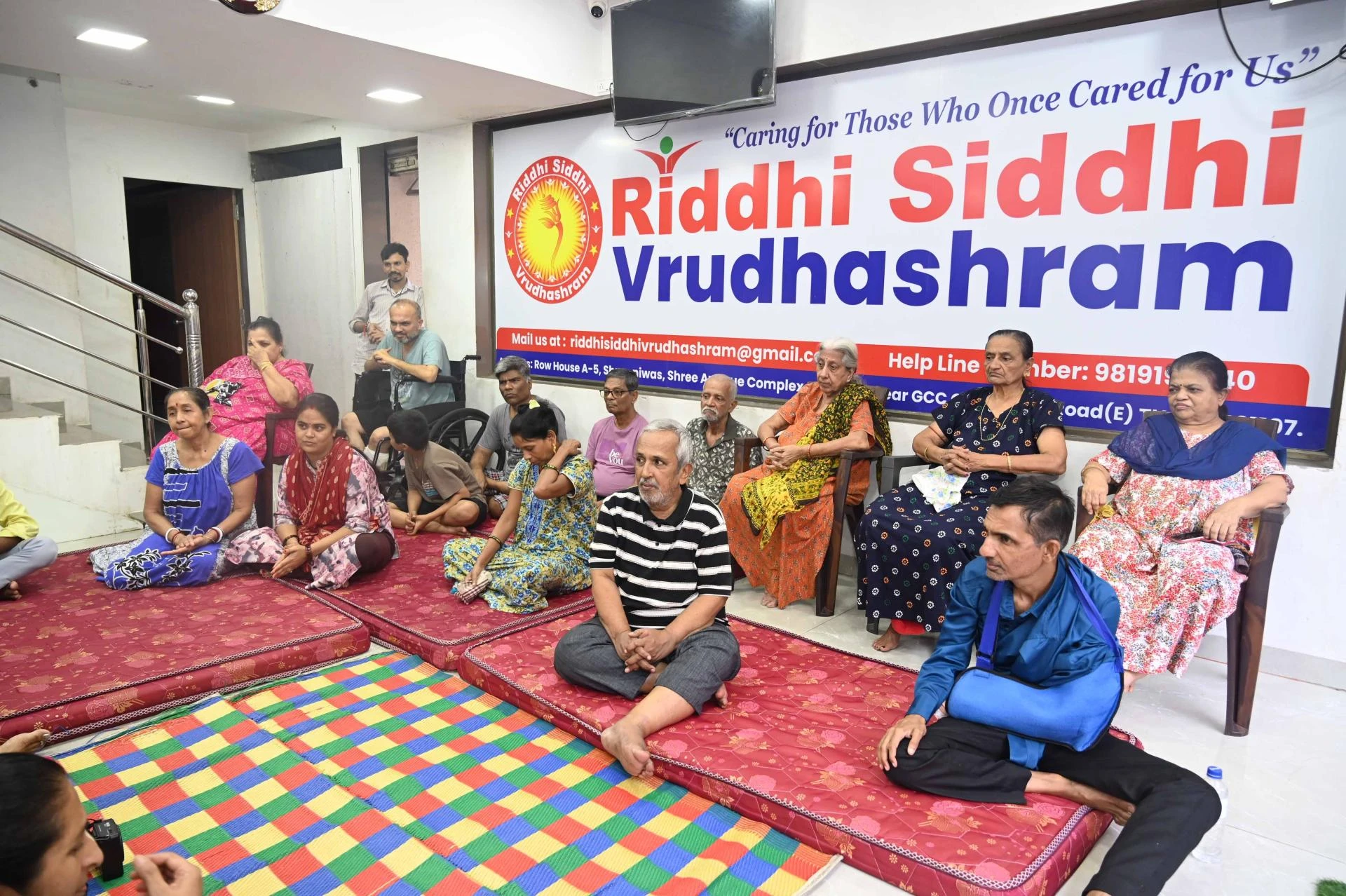
Finding the right elderly care contact Mumbai is a priority for families who want dependable, compassionate, and timely support for ageing loved ones. In a fast-paced city where adult children often balance work, travel, and caregiving responsibilities, knowing how to evaluate care options and establish reliable points of contact can make a meaningful difference to an elder’s safety, dignity, and quality of life.
Understanding Elderly Care Needs in Mumbai
Elderly care is not a one-size-fits-all solution. Needs vary widely based on age, medical conditions, mobility, cognitive health, and social circumstances. In Mumbai, families typically look for assistance that ranges from basic companionship and daily living support to specialized medical and rehabilitative services. Urban living also means navigating traffic, limited living space, and access to healthcare facilities—factors that directly influence care planning.
Common needs include help with bathing, dressing, meals, medication reminders, mobility assistance, and regular health monitoring. Some seniors require short-term post-hospital support, while others need long-term, structured care at home or in supervised environments.
Types of Elderly Care Services Available
Mumbai offers a broad spectrum of elderly care services designed to support different levels of independence:
- In-home personal care: Trained caregivers assist with daily activities while allowing seniors to remain in familiar surroundings.
- Medical and nursing support: Qualified professionals provide wound care, injections, vital monitoring, and chronic disease management.
- Companionship services: Focused on emotional well-being, conversation, reading, and accompaniment for walks or appointments.
- Rehabilitation and therapy: Physiotherapy, occupational therapy, and speech therapy delivered at home or in clinics.
- Respite care: Temporary relief for family caregivers during travel or recovery periods.
- Emergency response coordination: Systems that ensure quick assistance during falls or medical emergencies.
Understanding which category best fits your situation helps narrow down the right contact and service structure.
How to Evaluate a Reliable Care Contact
Selecting a dependable care contact requires careful assessment. Families should prioritize transparency, qualifications, and responsiveness. Consider the following checkpoints:
- Credentials and training: Verify caregiver training, background checks, and ongoing skill development.
- Care plans: Look for personalized assessments and documented plans that evolve with the elder’s needs.
- Availability: Ensure clear communication channels, backup staffing, and defined response times.
- Cultural sensitivity: Language compatibility and respect for dietary, religious, and lifestyle preferences matter.
- Safety protocols: Infection control, emergency procedures, and supervision standards should be clearly outlined.
Requesting references, conducting interviews, and arranging trial periods can reduce uncertainty before long-term commitments.
Costs, Transparency, and Legal Considerations
Costs in Mumbai vary based on service intensity, hours, and professional expertise. Families should seek detailed breakdowns covering caregiver fees, medical supplies, and any additional charges. Written agreements help clarify scope of work, confidentiality, data protection, and grievance redressal mechanisms. It is also prudent to understand insurance coverage, payment schedules, and cancellation policies.
Supporting Emotional Well-Being and Social Connection
Beyond physical care, emotional health is crucial. Isolation can significantly affect seniors’ mental wellness. Quality care emphasizes companionship, routine, and meaningful engagement—encouraging hobbies, light exercise, and social interaction. Families should remain involved through regular check-ins, shared decision-making, and feedback loops with caregivers.
Making an Informed Decision
Choosing the right elderly care solution in Mumbai is a thoughtful process that balances safety, comfort, affordability, and trust. By clearly defining needs, evaluating service types, verifying credentials, and maintaining open communication, families can secure dependable support that honors their loved one’s independence while ensuring consistent care.
A well-chosen care contact becomes more than a service provider—it becomes a partner in ageing with dignity.