
Inside Harvard’s Career Success: A Scene from the Front Lines
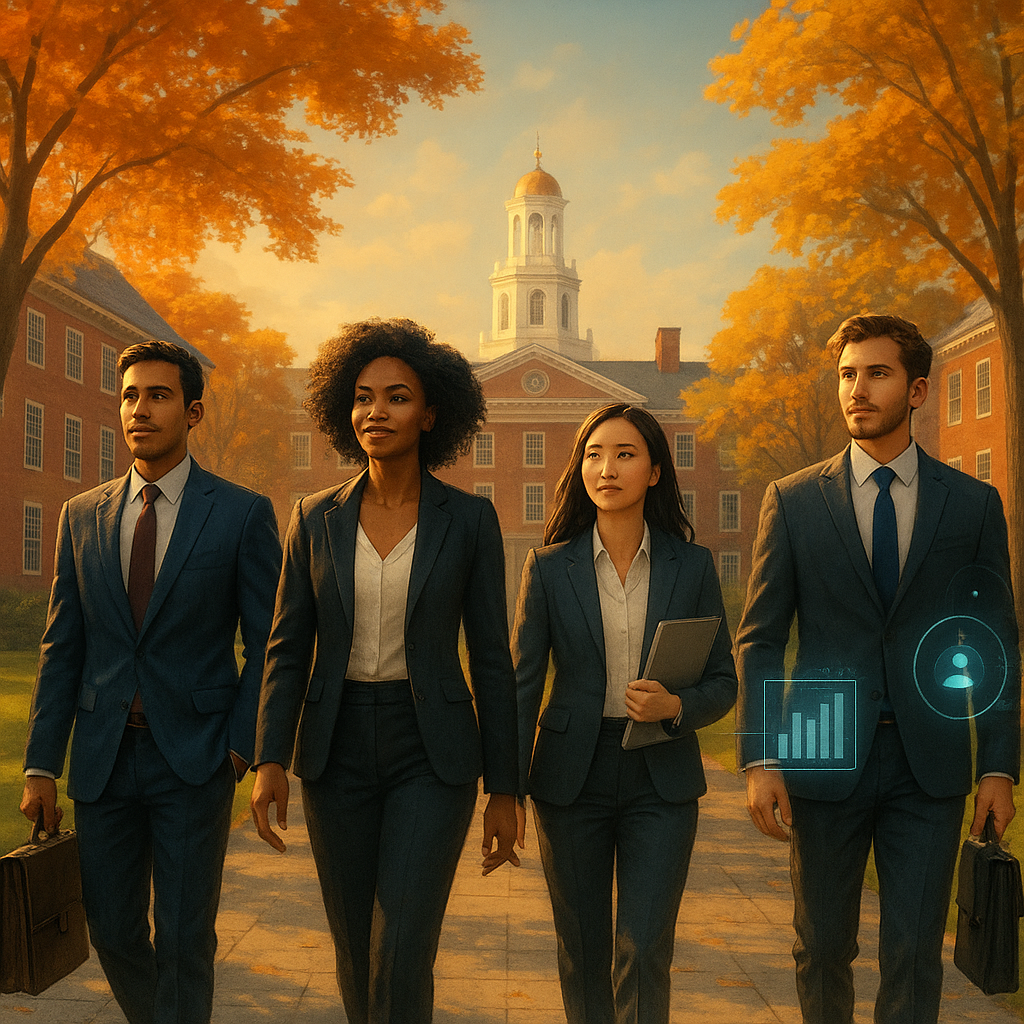
Picture the bustling Harvard Yard on a crisp spring morning in 2026. A group of graduating seniors gather around a career advising session, laptops open, resumes polished to perfection, and LinkedIn profiles glowing with endorsements. The air buzzes with anticipation—these students are not just dreaming about landing jobs at top firms; they have concrete plans and strategies to secure them. As someone who has advised hundreds of Harvard students over the last decade, I have witnessed firsthand how a particular set of behaviors, habits, and approaches consistently distinguishes those who get hired from those who struggle. These aren’t just academic accomplishments or networking skills alone; they are an integrated set of eight actionable habits that align with the demands of today’s fiercely competitive, fast-shifting job market.
“The difference between a good candidate and a great one today is not just what they know, but how they adapt, communicate, and build meaningful connections.”
In this article, I’ll break down these eight defining habits shaping Harvard students’ career trajectories in 2026, supported by data, real-world examples, and expert perspectives. Understanding these practices is crucial not just for Ivy League graduates but for anyone aiming to thrive amid the complexities of the modern employment landscape.
From Tradition to Transformation: The Evolving Context of Harvard Career Outcomes
Harvard’s reputation for producing leaders in business, law, technology, and public service is well-established. However, the pathways from graduation to meaningful employment have transformed dramatically over the past decade. In the early 2020s, the rise of AI-driven recruitment tools, remote and hybrid work models, and shifting employer expectations began reshaping hiring processes. According to Harvard’s Office of Career Services, the class of 2025 saw a 27% increase in job offers requiring digital fluency and cross-disciplinary skills compared to five years earlier.
These changes have amplified the need for students to go beyond stellar grades and internships. The labor market now demands agility, emotional intelligence, and proactive career management. As the global economy faces new uncertainties—geopolitical tensions, climate challenges, and rapid technological disruption—Harvard students must demonstrate resilience and foresight.
“Employers today value candidates who can not only execute tasks but anticipate challenges and innovate solutions on the fly.”
This shift aligns with broader trends reported in TheOmniBuzz’s coverage of workforce evolution, including articles like Why Flexibility and AI Are Redefining the 2026 Job Market. Harvard students who succeed are those who have internalized these new realities and recalibrated their career strategies accordingly.
The 8 Habits Driving Harvard Students’ Hiring Success
Based on extensive advising experience and data analysis, the following eight habits distinguish Harvard students who secure top jobs:
- Early and Strategic Networking: Successful students begin building meaningful professional relationships by sophomore year, focusing on industry-relevant contacts rather than superficial connections.
- Mastering Digital Personal Branding: They curate authentic LinkedIn profiles, engage thoughtfully on platforms like Twitter and GitHub, and create personal websites showcasing projects and thought leadership.
- Continuous Skill Development: Beyond coursework, they pursue certifications, bootcamps, and micro-credentials, especially in emerging fields such as AI ethics, sustainability, and fintech.
- Data-Driven Application Targeting: Instead of mass-applying, they analyze company needs, tailor applications precisely, and leverage analytics tools to monitor job market trends.
- Effective Storytelling in Interviews: They practice articulating experiences through compelling narratives that highlight impact, problem-solving, and teamwork.
- Resilience and Adaptability: Candidates show mental agility by learning from rejections, seeking feedback, and pivoting career plans when necessary.
- Engagement with Career Services: They maximize Harvard’s resources, from mock interviews to alumni mentorship programs, integrating feedback into their preparation.
- Purpose-Driven Career Choices: Top performers align job searches with personal values and social impact goals, resonating deeply with employers prioritizing ESG criteria.
These habits form a comprehensive career playbook that Harvard students refine and iterate throughout their college years.
How 2026’s Job Market Shapes These Habits
The current labor market in 2026 is characterized by heightened competition and evolving employer priorities. According to recent surveys by leading recruitment firms cited in industry analyses, 72% of employers emphasize soft skills such as adaptability and emotional intelligence alongside technical expertise.
Artificial intelligence continues to automate routine hiring steps, placing a premium on human traits and authentic communication. Students who develop a strong digital presence and storytelling ability can better differentiate themselves in AI-screened applicant pools.
Moreover, the hybrid work revolution has expanded geographic hiring pools, intensifying competition but also opening doors for candidates with globally relevant skills and cultural fluency. Harvard students who excel at remote collaboration and cross-cultural communication gain an edge.
Harvard’s career advising has incorporated these market insights into practice, encouraging students to:
- Use AI-powered platforms for mock interviews and personalized resume feedback
- Engage with virtual career fairs and global networking events
- Develop cross-sector portfolios demonstrating versatility
These adaptations reflect broader trends explored in TheOmniBuzz’s Mastering Job Market Challenges: Strategies to Stand Out and Succeed, which highlights how agility and continuous learning are indispensable for today’s job seekers.
Expert Perspectives: What Recruiters and Career Coaches Say
Leading recruiters from firms like McKinsey, Google, and Goldman Sachs have echoed these observations in recent interviews. Jennifer Lee, a senior talent acquisition manager at a Fortune 500 tech company, notes:
“Harvard graduates who land our roles are not just academically strong; they bring a nuanced understanding of our business challenges and communicate their fit clearly. They show persistence and curiosity beyond the resume.”
Career coaches specializing in elite university graduates emphasize the importance of habit number six—resilience. According to Marcus Thompson, a coach with over 15 years of experience advising Harvard students, “The ability to handle rejection constructively and pivot quickly is what separates successful candidates in a market where opportunities can be fleeting.”
These insights align with academic research on employability skills, which increasingly focuses on emotional and social competencies alongside cognitive abilities.
Case Studies: Harvard Students Who Embodied These Habits
Consider Maya Patel, a 2025 Harvard graduate who secured a product manager role at a leading AI startup. Maya began networking early, attending industry panels starting in her sophomore year and building genuine relationships with alumni in tech. She created a digital portfolio documenting her leadership in sustainability projects and completed a certification in AI ethics.
Maya’s tailored applications emphasized her unique blend of technical and ethical expertise. Her interview narratives highlighted problem-solving during a campus-wide initiative to reduce carbon emissions, resonating strongly with the startup’s mission.
Similarly, James O’Connor, who landed a strategic consulting role at a top firm, leveraged Harvard’s mentorship programs extensively. He sought feedback relentlessly and adapted his approach after initial setbacks. James’s story exemplifies the habit of engaging deeply with career services and demonstrating resilience.
These case studies illustrate the dynamic interplay between preparation, mindset, and market awareness that Harvard’s top hires exemplify.
Looking Ahead: What Job Seekers Should Focus On
As the job market continues evolving, aspiring candidates—whether Harvard students or beyond—must embrace these eight habits as a foundation. The integration of AI in hiring processes means candidates will increasingly need to blend technical savvy with human-centered skills such as storytelling, emotional intelligence, and purpose alignment.
Future outlooks from workforce analysts predict that hybrid work, AI collaboration, and sustainability-oriented roles will grow substantially. Candidates who proactively build cross-disciplinary skills and demonstrate adaptability will be best positioned to seize emerging opportunities.
To prepare effectively, job seekers should:
- Invest in continual learning beyond formal education
- Network with intention, focusing on quality over quantity
- Develop a compelling, authentic personal brand
- Engage with career resources early and often
- Align career choices with impactful, purpose-driven goals
In sum, the experiences of Harvard students provide a blueprint for success that transcends elite institutions and offers valuable lessons for all navigating today’s challenging job market.
For a deeper understanding of habits driving top-tier graduate success, readers may also consult TheOmniBuzz’s article 8 Proven Habits Harvard Graduates Use to Land Top Jobs Today, which complements this analysis by exploring behavioral nuances in detail.
“Employers want candidates who not only fit the role but also enrich the company culture and future-proof their teams.”
By internalizing and practicing these eight habits, Harvard students—and all ambitious job seekers—can transform aspirations into tangible career achievements in 2026 and beyond.