Changing Tides: A Morning in a Hybrid Workplace
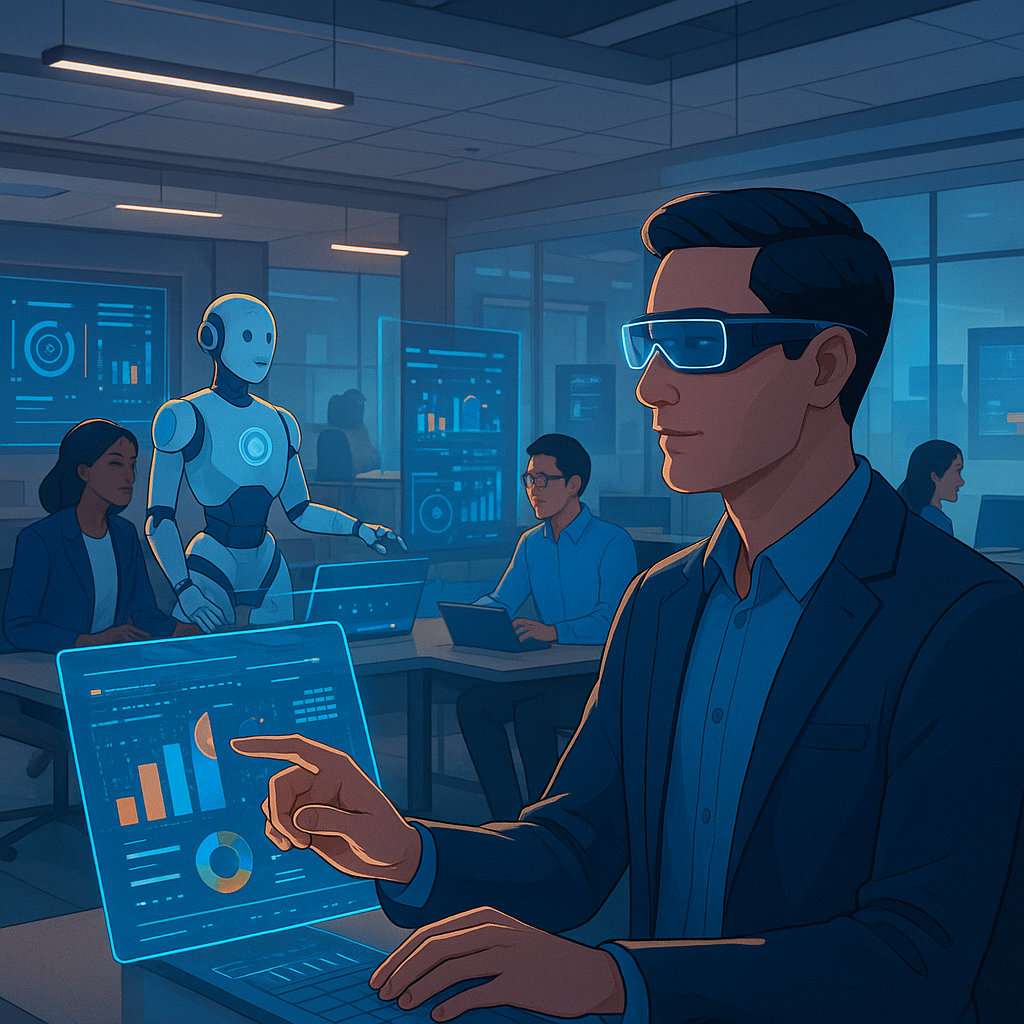
On a brisk April morning in 2026, Maya, a data analyst for a multinational tech firm, begins her day not in a fixed cubicle but from a cozy home office overlooking a quiet urban park. She logs into a virtual workspace where colleagues from five different time zones collaborate seamlessly. This scene, increasingly common across industries, encapsulates a profound transformation in how work is organized and executed today. The job market in 2026 is no longer defined by rigid office hours or geographic constraints. Instead, it thrives on flexibility, technology integration, and a workforce that demands purpose alongside paychecks.
According to recent labor statistics, over 65% of employed professionals now engage in hybrid or fully remote roles, a sharp increase from 30% just five years ago. This shift is supported by advancements in artificial intelligence (AI) and automation, which have recalibrated job functions and required new skills. The narrative of the modern employee is one of adaptability, continuous learning, and navigating a landscape where human creativity and machine efficiency intersect.
“The workforce of 2026 is marked by unprecedented fluidity in roles and locations, demanding both employers and employees to rethink traditional career trajectories,” notes labor economist Dr. Lina Schroeder.
From Industrial Roots to Digital Frontiers: Historical Context
To understand the current job market dynamics, it is crucial to trace the evolution of work over past decades. The 20th century was dominated by industrial and manufacturing jobs, characterized by fixed schedules and physical presence. The digital revolution of the late 1990s and early 2000s introduced new paradigms, with the rise of the internet enabling remote work experiments. However, it was the global disruptions caused by the COVID-19 pandemic in the early 2020s that accelerated acceptance and refinement of hybrid work models.
Throughout the 2020s, companies experimented with remote-first policies, flexible hours, and asynchronous communication. By 2024, organizational culture had shifted markedly, with employee well-being and autonomy becoming central to recruitment and retention strategies. The proliferation of AI tools during this period also reshaped job categories. Routine tasks in sectors like finance, customer service, and logistics became increasingly automated, while demand surged for roles involving AI oversight, ethics, and creative problem-solving.
Historically, technological advances have always disrupted labor markets, but the rapid pace and scale of AI integration in the 2020s have led to a more pronounced reordering. The job market today is not just about machines replacing humans but about new collaborations between them, requiring continuous upskilling and new career pathways.
Data-Driven Insights: The Anatomy of the 2026 Job Market
Recent labor data from the International Labor Organization and national statistics agencies reveal several defining trends shaping the 2026 job market:
- Hybrid Work Dominance: Approximately 68% of urban professionals operate in hybrid or remote roles, with many companies adopting flexible scheduling to accommodate work-life balance.
- AI-Enhanced Roles: Jobs involving AI management, data synthesis, and ethical compliance have grown by 42% since 2023.
- Gig Economy Stabilization: The gig sector, once volatile, has seen stabilization with advanced platforms offering better worker protections and benefits, accounting for 18% of total employment.
- Skill Polarization: There is a widening gap between high-skill roles requiring advanced digital competencies and lower-skill jobs, many of which face automation risks.
- Global Talent Mobility: Virtual workspaces have led to a rise in cross-border employment contracts by 36%, intensifying competition but also opportunities.
Industry comparisons illustrate these trends vividly. For instance, the technology sector leads in AI adoption, while healthcare continues to grapple with integrating AI without compromising human empathy. Manufacturing has shifted towards highly automated, precision-driven roles, reducing manual labor but increasing demand for robotics technicians and maintenance experts.
Furthermore, wage data indicates that the premium for AI and tech-savvy employees has increased by an average of 25% over traditional roles in similar sectors, underscoring the market’s valuation of digital fluency.
“Employers now prioritize agility and technical literacy as core competencies, reflecting a deeper structural shift in the labor market,” explains HR strategist Marcus Lee.
Current Developments: What’s New in 2026?
This year has introduced several pivotal changes affecting job seekers and employers alike. First, the widespread adoption of generative AI tools has transformed productivity expectations. Many companies employ AI assistants to augment human work, from drafting reports to analyzing vast datasets in seconds. This trend has not only increased output but also altered performance metrics and job descriptions.
Another notable development is the rise of decentralized autonomous organizations (DAOs) as employers. These blockchain-based entities allow workers to participate in governance and profit-sharing without traditional corporate hierarchies. While still niche, DAOs have attracted significant interest from tech-savvy professionals seeking novel career models emphasizing transparency and community-driven decision-making.
Additionally, the regulatory environment has adjusted to these changes. Governments worldwide have enacted laws addressing remote work rights, digital labor protections, and AI accountability. These frameworks aim to balance innovation with worker security, a complex challenge given the pace of technological change.
Employers are also investing heavily in upskilling and reskilling programs to keep pace with evolving demands. According to a 2026 survey by the World Economic Forum, 78% of companies have formalized continuous learning initiatives tied directly to AI literacy and flexible work skills.
These developments collectively mark 2026 as a year of consolidation and refinement rather than mere expansion in the job market’s transformation.
Industry Perspectives: Voices from the Frontlines
Insights from industry leaders and HR experts provide a nuanced understanding of ongoing labor market shifts. Sophia Martinez, Chief People Officer at a leading AI software firm, highlights the cultural changes underpinning these trends:
“Culture is now the currency of talent. Flexible policies, mental health support, and growth opportunities are as vital as salary. The best companies foster environments where humans and AI tools complement each other.”
From a policy standpoint, labor advocate Jamal Turner stresses the importance of equitable access to new job opportunities:
“As we embrace AI and remote work, we must ensure no group is left behind. Investment in education, broadband infrastructure, and inclusive hiring are critical to prevent widening inequality.”
These perspectives underscore a common theme: the job market’s future depends on balanced innovation that values human well-being alongside technological progress.
Looking Ahead: Navigating the Next Five Years
What should workers and employers anticipate as the job market continues to evolve? Several key trends and strategic takeaways emerge:
- Lifelong Learning as a Necessity: Continuous education and skill updates will be mandatory for career resilience.
- Hybrid and Remote Work Norms: Organizations will refine hybrid models, emphasizing outcome-based performance rather than time logged.
- AI as a Collaborative Partner: Rather than fearing replacement, workers will increasingly collaborate with AI to amplify productivity.
- Regulatory Evolution: Legal frameworks will adapt to address AI ethics, digital rights, and gig economy standards.
- Global Talent Competition: The virtual labor market will intensify, requiring workers to differentiate through unique skills and adaptability.
For those interested in broader economic trends influencing career opportunities, TheOmniBuzz’s article on market shifts and emerging opportunities offers valuable context. Similarly, understanding how technological innovation affects other sectors can be enhanced by exploring the state of cars in 2026, which reveals parallel trends in automation and sustainability shaping employment.
Ultimately, the 2026 job market demands proactive engagement from all stakeholders. Workers must embrace flexibility and tech fluency, employers must cultivate inclusive and adaptive cultures, and policymakers must safeguard fairness and security. This integrated approach will define the resilience and vibrancy of work for years to come.